162 resultsfor “issues discussed in US Iran negotiations”
negotiator, parliament speaker Mohammad Bagher Qalibaf, had said “there will be no retreat in the field of diplomacy”, while acknowledging a wide gap remained between the sides. Trump said on Sunday that any talks
issue is Iran’s nuclear programme, particularly its stock of enriched uranium. The US and Israel are pushing for zero uranium enrichment and have accused Iran of working towards building a nuclear weapon while providing
issued an extreme warning to **Iran** to quickly agree to a peace deal with the **US** or face devastation. As Washington struggles to break an impasse on ending the war, the US president said
issues surrounding Iran’s nuclear programme to a negotiation starting after 30 days of confidence building, a deferral that the US president and Israel reject. Tehran argues the previous use of US bases
discuss the technical issues linked to the ceasefire deal – [digitally signed](/news/2026/6/17/iran-confirms-that-mou-has-been-signed-electronically-by-both-sides) by the two countries on Wednesday – due to Israel’s ongoing military campaign in Lebanon. [Israeli strikes](/news/2026/6/18/israeli-attacks-on-southern-lebanon-kill-three-despite-us-iran-deal) overnight and into Friday have
discuss a potential permanent new arrangement on governing the strait of Hormuz with [Oman](https://www.theguardian.com/world/oman), which oversees the south of the strait. Islamabad had been hoping that Araghchi’s visit would result
US for safe keeping. In short, he gave the impression that Iran had surrendered. The backlash that followed in Tehran on Friday was inevitable, and whether there was a genuine split between the foreign ministry
discussions with counterparts aimed at safeguarding the strait, has described it as “a critical diplomatic moment” in the crisis. Hopes that negotiations were to take place rose early on Monday after [Trump told
issues, including the withdrawal of Israeli forces from southern Lebanon and the disarmament of Hezbollah. US Secretary of State Marco Rubio, who attended the first Israel-Lebanon meetings in Washington in April, was with US
discussions to unblock the Strait of Hormuz, lift sanctions and curb Iranian's nuclear ambitions. But Axios also reported scepticism among some US officials about the prospects for a deal and who would even approve
issues: Iran’s nuclear programme, control of the Strait of Hormuz – which Tehran has effectively closed, causing a surge in global oil prices – and [compensation](/news/2026/4/15/what-are-irans-100bn-in-frozen-assets-and-where-are-they-held) for wartime damages. The conflict, launched by the US
negotiating team, said contained many lies. Later it was stressed that Araghchi had meant the strait was open only to ships authorised by the IRGC Navy and using permitted designated routes after paying the required
negotiations between the US and Iran will happen “very soon”. Pakistani Foreign Minister Ishaq Dar said on Sunday that “meaningful progress” had been achieved, offering grounds for optimism that a positive and durable outcome
discussions led by the US vice-president, JD Vance, will begin later this week. - **What is the reaction in Israel?** Analysts have pointed out that none of Benjamin Netanyahu’s promises at the beginning
negotiations. Macron’s office said it would continue to explore other potential European military ventures. “The German authorities considered that it was not possible to put further pressure on the companies concerned,” the Elysee said
Iran on 28 February, which has since settled into a fragile ceasefire. 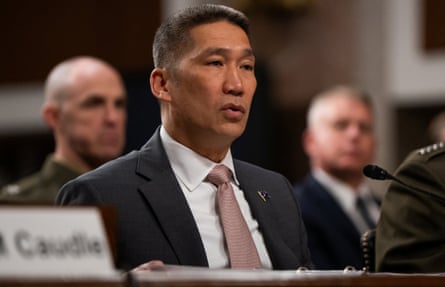 ‘The foreign military sales will continue when
discussion involving Hormuz, sanctions sequencing or nuclear concessions because they increasingly view coercive leverage, especially maritime pressure, as Iran’s main post-war bargaining asset,” he told Al Jazeera. That is why the debate inside
issues, including energy security, were set to be discussed, with India particularly hard-hit by the US-Israeli war in Iran and Tehran’s effective closure of the Strait of Hormuz. In New Delhi, Rubio
issued the condemnation on Wednesday as Israel continued to pound areas of southern Lebanon, killing at least 16 people, including four paramedics, Lebanese state media reported. Referring to a devastating wave of [Israeli attacks across
discussed a “de-confliction mechanism” for the country with United States Vice President JD Vance and the Qatari prime minister. The phone call on Monday focused on consolidating the ceasefire between Israel and Hezbollah