
Lionel Messi scores brace as Argentina beat Austria 2-0 at World Cup 2026
Lionel Messi scores twice as Argentina beats Austria 2-0 in World Cup 2026!
Al Jazeera English1 min read

Lebanese President Joseph Aoun discussed a 'de-confliction mechanism' with US Vice President JD Vance and the Qatari prime minister to consolidate the ceasefire between Israel and Hezbollah. Lebanon is set to resume peace talks with Israel amid ongoing hostilities.
Mentioned in this story
Lebanese President Joseph Aoun has discussed a “de-confliction mechanism” for the country with United States Vice President JD Vance and the Qatari prime minister.
The phone call on Monday focused on consolidating the ceasefire between Israel and Hezbollah, the Lebanese presidency said in a statement. The hostilities between the pair has seen the Israeli military occupy parts of southern Lebanon and launch persistent air strikes on the country while Hezbollah attacks northern Israel.
Hezbollah’s backer Iran has made a ceasefire a key condition in its ongoing negotiations over a ceasefire with the US, which launched an offensive against Iran alongside Israel in February.
Lebanon is due to resume peace talks with Israel in the US on Tuesday. However, Hezbollah has refused to abide by previous agreements to wind down hostilities and has criticised Lebanon for engaging with Israel.
Qatar and Pakistan – who served as mediators in the first round of US-Iran negotiations in Switzerland Sunday – said the “parties agreed on the creation of a de-confliction cell” to “ensure the adherence of the termination of military operations in Lebanon,” but did not provide more details.
Vance later told a press conference that the mechanism intended to prevent incidents from spiralling “into a broader escalation”.
“We do believe … that we can get to a place where Lebanon’s territorial integrity and sovereignty is protected, Israel’s security is protected,” he said.
“That’s going to require some coordination with the Lebanese armed forces, and also it’s going to require the Iranians to rein in Hezbollah,” Vance added.
Iran’s Foreign Minister Abbas Araghchi wrote on social media after the talks in Switzerland over a ceasefire with the US: “1st real test: Lebanon deconfliction cell.”
Lebanon has emerged as a flashpoint between the US and Iran’s efforts to secure a lasting peace deal. Lebanese and Israeli delegations began their first direct talks since 1993 in April, with a fifth round of negotiations slated to begin Tuesday in Washington.
Tehran has long insisted that any peace deal with Washington must end the war on all fronts, including Lebanon. However, Israel has maintained its attacks on Lebanon, as Hezbollah has also continued its armed activity.
That has seen Washington issue increasingly harsh rebukes against Israel. Vance last week warned the Israeli leadership “you can’t just kill your way out” of national security crises, and demanded it the US.
The de-confliction mechanism aims to ensure adherence to the ceasefire between Israel and Hezbollah by preventing military operations in Lebanon.
Lebanese President Joseph Aoun, US Vice President JD Vance, and the Qatari prime minister participated in the discussions.
Hezbollah's refusal to comply with ceasefire agreements complicates Lebanon's peace talks with Israel and could escalate hostilities in the region.
The peace talks between Lebanon and Israel are scheduled to resume on Tuesday in the United States.
Lionel Messi scores twice as Argentina beats Austria 2-0 in World Cup 2026!

Olympic stars unite to support Northern Games bid for the 2040s

Lionel Messi makes history by breaking the World Cup scoring record!

US raises alarm as RSF forces encircle el-Obeid in Sudan, warning of potential atrocities.

Andy Burnham's supporters are divided over who should be his chancellor, with key implications for his potential premiership.
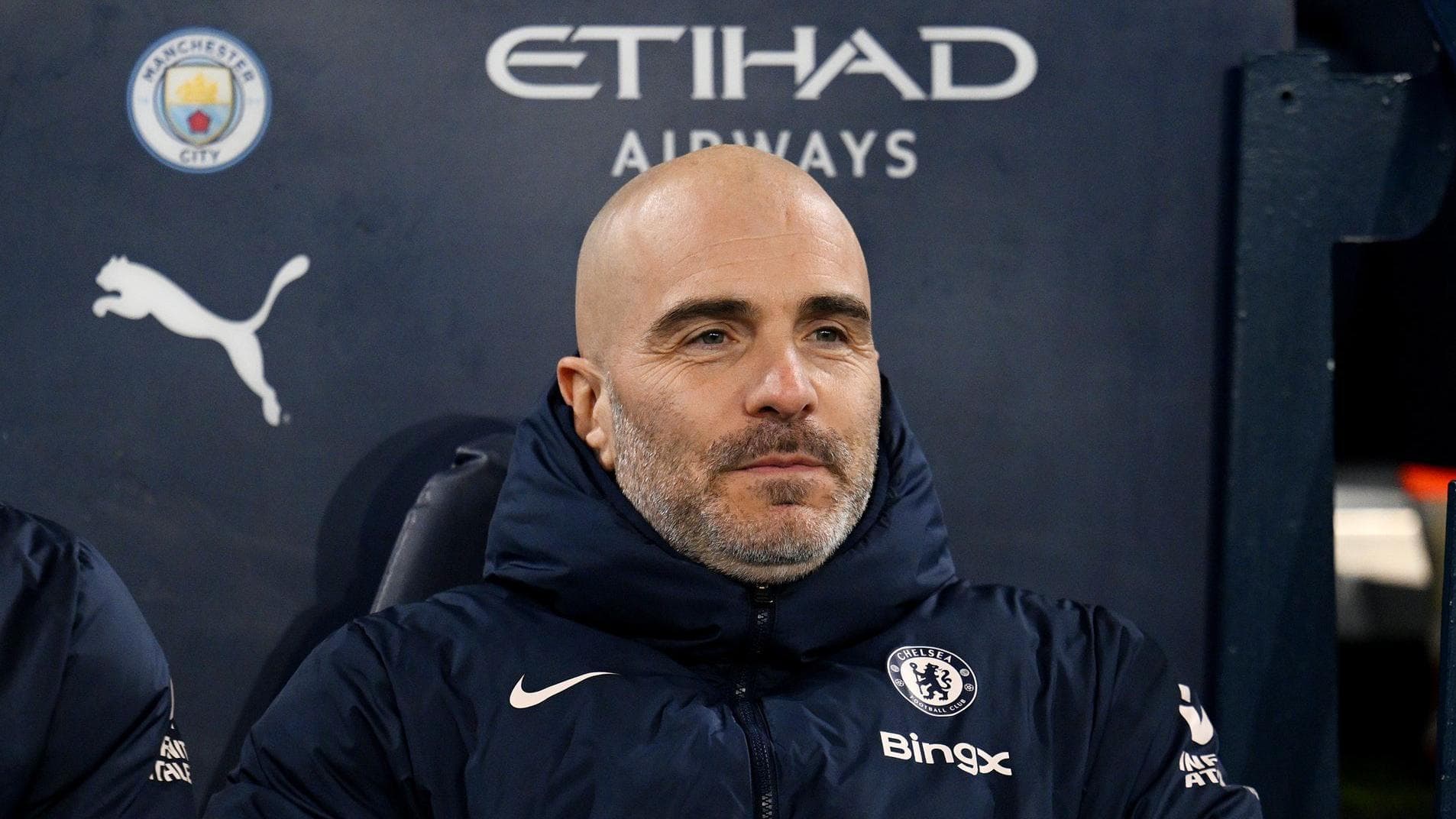
Manchester City close to appointing Enzo Maresca as manager on a three-year deal.
See every story in News — including breaking news and analysis.
Israel continued to carry out attacks in Lebanon through Saturday, killing dozens of people, and Prime Minister Benjamin Netanyahu pledged to occupy southern Lebanon “as long as is necessary”.
Late on Monday, in an apparent bid to assuage hardline critics within his government, Netanyahu insisted that the Israeli military will act with “full freedom” to engage any threat encountered in southern Lebanon, and that troops would remain deployed in the region for as long as deemed necessary.
However, with it appears that US pressure on Netanyahu is now taking effect, with the fragile truce in Lebanon appearing to hold on Sunday and Monday.
A spokesperson told reporters that Sunday was the first day since the resumption of hostilities between Israel and Hezbollah on March 2 that peacekeepers from the UN Interim Force in Lebanon (UNIFIL) had not detected any attempted air strikes from either side.
Reporting from Nabatieh in southern Lebanon, Al Jazeera’s Heidi Pett described a “cautious calm”.
“But it has followed a very brutal and bloody couple of days for this city and the surrounding towns and villages,” she added.
Direct damage to buildings in southern Lebanon is estimated at around $1.38bn since the latest iteration of the Israel-Hezbollah conflict began in March, according to a tally from the United Nations and a Lebanese research centre.
More than 11,000 buildings have been “completely destroyed” the report said.
Israeli attacks have killed at least 4,175 people and wounded 12,164, the Lebanese Ministry of Health said on Monday.