83 resultsfor “Iran US naval blockade ceasefire news”
US is yet to formally confirm it has replied to Iran. However, Trump reportedly told Israel's Kan News on Sunday that the proposal was unacceptable to him. Iranian state media said Tehran
ceasefire negotiations began, though those talks have since stalled. Since then, Tehran continues to effectively block the Strait of Hormuz and Washington has maintained a [naval blockade](/news/2026/4/29/irans-currency-falls-to-new-low-as-us-blockade-sanctions-impact-trade) of Iranian ports and ships
US’s refusal to lift its naval blockade. 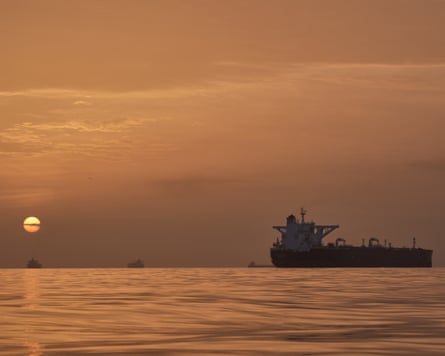 [Iran on Saturday reimposed tight restrictions](https://www.theguardian.com/world/2026/apr/18/iran-closes-strait-of-hormuz-again-until-us-lifts-blockade) on the transit of commercial shipping
naval blockade on all Iran-linked ships trying to pass through the Strait of Hormuz. Iran has fired at ships trying to transit through the vital shipping route. And early on Monday, the US shot
blockade on the strait, which is a vital waterway in global trade. While the US military claimed to have destroyed six Iranian small boats and intercepted both Iranian cruise missiles and drones, this was denied
News Agency. The future of Iran’s nuclear programme and the Strait of Hormuz are key sticking points in the negotiations. The latest comments from the political leadership came after Iran’s Islamic Revolutionary Guard
blockade on Iranian ports. Iran’s Islamic Revolutionary Guard Corps (IRGC) warned that any attempt to pass through the strait without permission “will be considered cooperation with the enemy, and the offending vessel will
news agency reported. It accused Washington of violating the ceasefire and carrying out “armed piracy” after allegedly firing on the Iranian vessel and disabling its navigation systems. ## Trump extends ceasefire Trump earlier announced he would
blockade of the Strait of Hormuz - a major oil shipping route - was "growing and going global". The US and Israel began attacking Iran on 28 February, and Tehran subsequently restricted shipping through the Strait
news agency. The US is yet to confirm it has replied to Tehran. On Saturday, President Donald Trump he would "soon be reviewing the plan that Iran has just sent to us
ceasefire on April 8, and then a unilateral extension was announced by Trump on Tuesday this week, military pressure has continued in parallel, mostly at sea. On Monday, US forces fired on and captured
naval blockade of Iranian ports. US forces boarded the ship and took physical control of the vessel. ## How has Iran responded? Iran’s Khatam al-Anbiya military headquarters confirmed the US attack on the Iranian
ceasefire agreement. 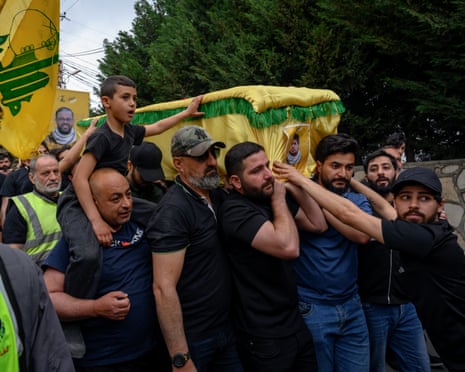 Members and supporters of Iran
news agency. They were quoted as describing the indirect ceasefire contacts as still alive but fragile. There were no immediate plans for US envoys to return for talks, according to the Pakistani officials, who spoke
naval blockade of Iranian ports. Meanwhile, Israel continues to violate “ceasefires” reached in Lebanon and the Gaza Strip. In March, when Iran was retaliating against the US-Israeli strikes by attacking US military assets
ceasefire could only work if the US naval blockade is lifted. Analysts say the blockade is hurting Iran but believe the country has the economic and political will to sustain it. How long can Iran
ceasefire", which is due to expire on 22 April. "Thank you!", Trump wrote on Truth Social, adding in a second post: "The naval blockade will remain in full force and effect as it pertains
US response to its latest proposal Tehran is reviewing the U.S. response to its latest proposal to end the war, Iran's judiciary Mizan news agency cited Foreign Ministry spokesman Esmail Baghaei as saying
news outlet reported that the US expects Iran to respond to several key points in the next 48 hours, and that while nothing has yet been agreed, this was the closest the parties had been
naval forces enforcing [a blockade](/news/2026/4/15/iran-warns-us-naval-blockade-threatens-ceasefire) on Iranian ports and ships, and maintaining a heavy presence around the Strait of Hormuz, through which 20 percent of the world’s oil and gas passes during peacetime