
‘Doesn’t seem qualified’: Who is Bill Pulte, acting US intelligence chief?
Trump appoints Bill Pulte as acting director of national intelligence
Al Jazeera English1 min read

The US Army has raised the enlistment age from 35 to 42 to address recruitment challenges. This change aims to expand the pool of eligible candidates amid recent shortfalls in meeting recruitment goals.
The United States army announced last month that it would raise the maximum age at which Americans can enlist from 35 to 42 years to expand its pool of eligible candidates amid recruiting challenges in recent years.
An updated version of US Army Regulation 601–210, dated March 20, outlined the changes, including the elimination of rules requiring anyone with a single conviction for marijuana possession or drug paraphernalia to obtain a waiver to enlist.
Government data shows that while the US army has met its recruitment goals over the last two years, it fell short in 2022 and 2023 and has consistently failed to meet targets for the Army Reserve, shortcomings that analysts have attributed to several possible factors.
The new age limit was announced during the US-Israel war on Iran, towards which young people have expressed widespread opposition.
Here’s what you need to know about the changes.

New recruits participate in the Army’s future soldier prep course that gives lower-performing recruits up to 90 days of academic or fitness instruction to help them meet military standards, at Fort Jackson, a US Army Training Center, in Columbia, South Carolina, on September 25, 2024 [File: Chris Carlson/AP Photo]
The updated version of Army Regulation 601–210 officially takes effect on Monday, April 20.
The US army announced updated enlistment regulations on March 20, with the changes scheduled to take effect one month later on April 20 and applying to the Regular Army, Army Reserve, and Army National Guard.
The maximum enlistment age is raised from 35 to 42, and previous restrictions requiring anyone with a single conviction for possession of marijuana or drug paraphernalia to obtain a waiver to enlist are done away with.
The changes announced in March are specific to the US army.
The military news outlet Stars and Stripes reported that those changes bring the army into greater alignment with the maximum enlistment age of other branches of the military, such as the Air Force, Navy, Coast Guard, and Space Force, which accept enlistees in their early 40s.
The US Army raised the enlistment age to 42 to expand its pool of eligible candidates due to ongoing recruitment challenges.
The updated regulation includes raising the maximum enlistment age to 42 and eliminating the requirement for waivers for certain drug convictions.
While the US Army met its recruitment goals in the last two years, it fell short in 2022 and 2023, particularly for the Army Reserve.
Analysts attribute the recruitment challenges to various factors, including widespread opposition among young people towards military involvement in conflicts.
Trump appoints Bill Pulte as acting director of national intelligence


Report reveals South East Water's communication failure during winter outages left customers dissatisfied.

Nearly 10,000 sign petition against cuts to tech support for disabled students in England.
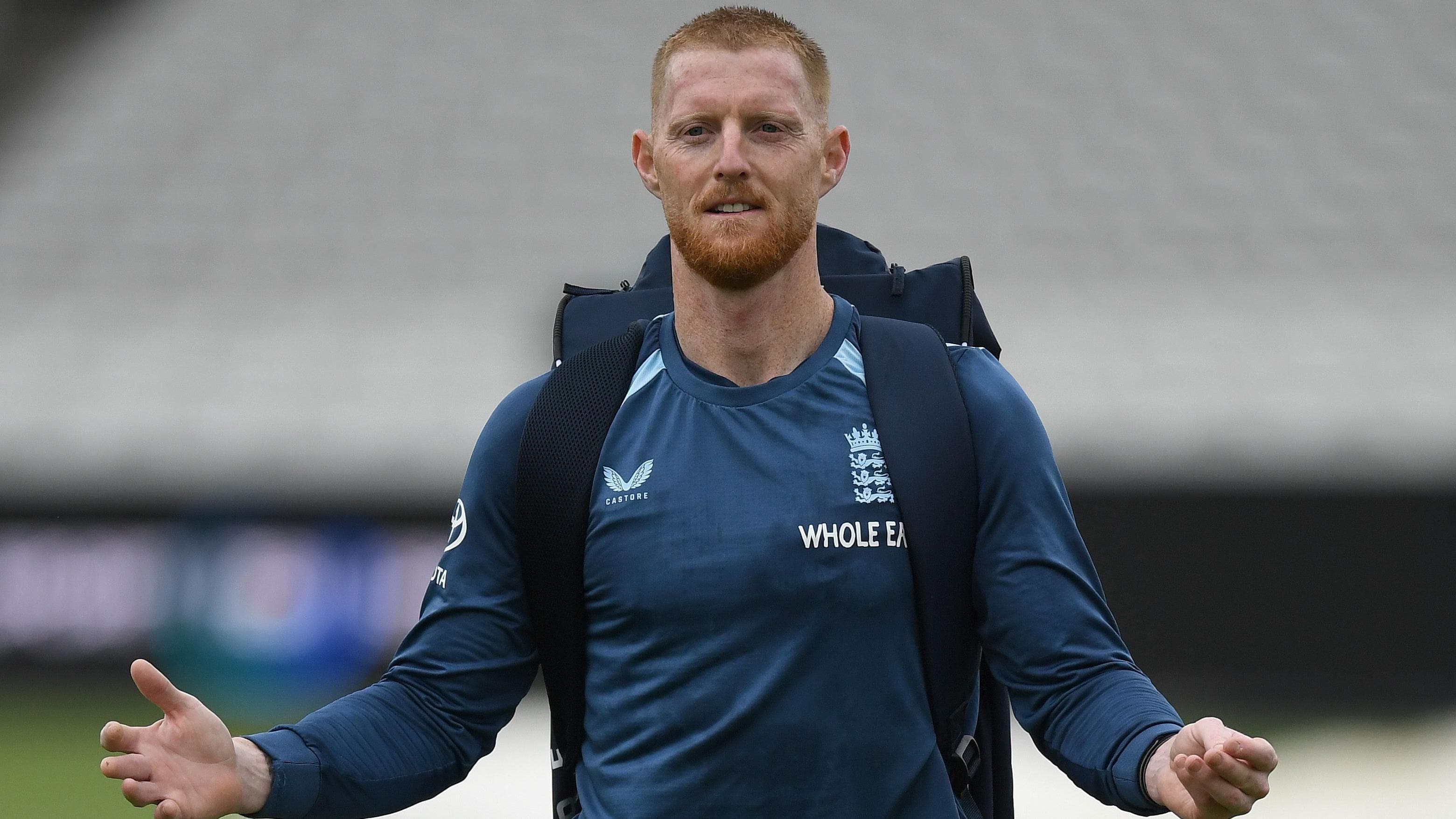
Ben Stokes insists England doesn't need major changes after Ashes defeat.
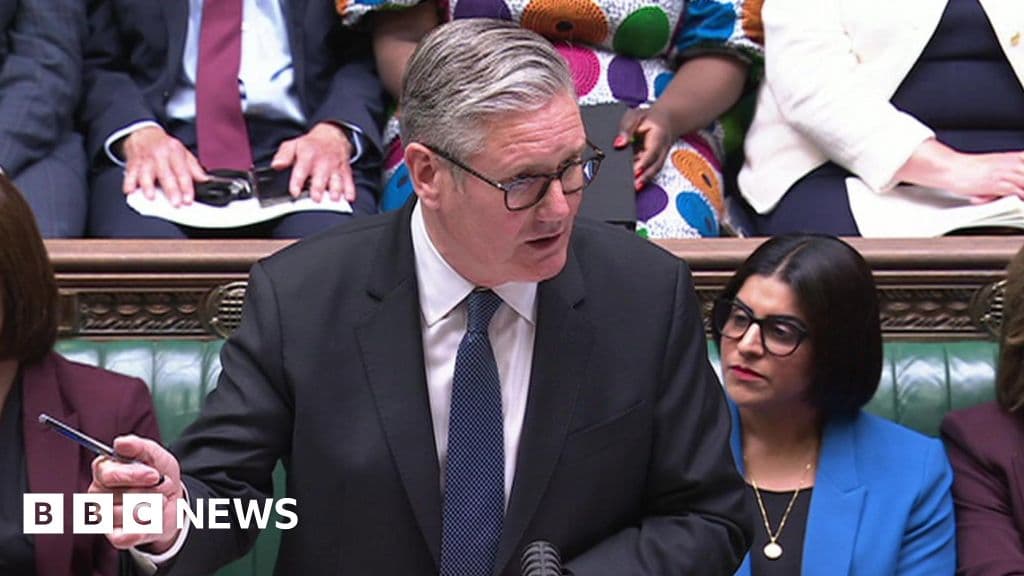
Starmer accuses Farage of exploiting Henry Nowak's murder for political gain
See every story in News — including breaking news and analysis.
The maximum enlistment age for the US Marines is 28.
While the US army did not comment on the reasons for the increase, data from the US Army Recruiting Command show that the army has struggled with recruitment challenges.
While the army met 100 percent of its recruitment goals in 2025 and 2024, it missed its target by about 23 percent in 2023 and 25 percent in 2022.
That data also shows that the army has fallen short of recruitment targets for the Army Reserve for the last six years in a row.
The average age of army recruits has risen in recent years to 22.7, up from 21.7 in the 2000s and 21.1 in the 2010s, according to the military news outlet Army Times, citing data from a US army spokesperson.
The US Army Recruiting Command has attributed such challenges to issues such as changes in the labour market, limited awareness about military service, and a lack of qualified young people due to issues such as obesity, drug use, and mental health issues.
A 2018 poll listed concerns over possible injury and death, post-traumatic stress disorder (PTSD), separation from family and friends, and other career interests as top reasons offered by young people for not joining the military.
Analysts have been discussing the possibility of raising the enlistment age for years as a means of addressing recruiting challenges, with a 2023 research report from the RAND Corporation, a US think tank, calling “older youth” a “crucial, largely untapped, yet high-quality pool of potential recruits”.
While the military has not suggested that the change is linked to the US-Israel war on Iran, where US President Donald Trump has previously said he could deploy ground troops, some social media users were quick to note the timing of the announcement.
Some in the online community joked that older supporters of the war would now be available to enlist.
“They raised the enlistment age to 42,” one X user said in response to a video of the conservative commentator Ben Shapiro praising Trump’s decision to attack Iran. “Why are you still here?”
Surveys have found that younger people are more likely to oppose the US war on Iran than those aged 65 and up, and polls in recent years have found that young people are more generally sceptical of US intervention abroad than older generations.
A 2024 Pew Research Center poll found that people between the ages of 18 and 29 were the only age bracket in the US who viewed the military more negatively than positively, with 53 percent saying the military had a negative effect versus 43 percent who said it had a positive effect.
According to the Pew Research Center, the US military has about 1.32 million active members. The US army accounts for the largest share, with nearly 450,000, while the US Navy is second with more than 334,000.
The Air Force has more than 317,000, the Marines more than 168,000, the Coast Guard nearly 42,000, and the Space Force nearly 9,700.
Data from the US Army Recruiting Command shows that about 80 percent of recruits in the Regular Army were men in 2025.
Black and Latino recruits also make up a larger share of army recruits than their percentage of the population, each making up about 27 percent of recruits while comprising 14 percent and 20 percent of the general population, according to data from the 2024 census.
White people made up about 40 percent of US army recruits, while about 57 percent of the general population.