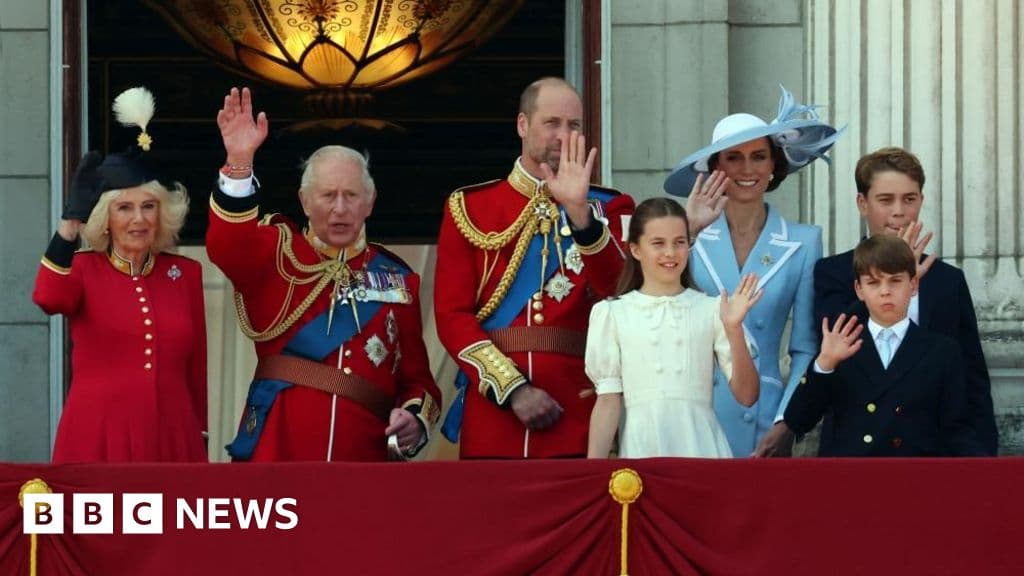
Royal Family watch Red Arrows flypast on Buckingham Palace balcony
The Royal Family gathers at Buckingham Palace for the Red Arrows flypast during Trooping the Colour.
BBC News1 min read

The US Supreme Court will hear arguments on whether the Trump administration can revoke temporary protected status for Haitians and Syrians. This decision could impact hundreds of thousands of immigrants currently protected from deportation due to unsafe conditions in their home countries.
Mentioned in this story
The supreme court will hear oral arguments on Wednesday over whether the Trump administration can strip the temporary protected status (TPS) of hundreds of thousands of Syrians and Haitians, under a program that has protected them from deportation due to safety concerns in their home countries.
People with TPS are given the permission to live and work in the US because the government has deemed their home countries to be unsafe due to war, political instability or natural disasters. In the past year, the Trump administration has attempted to cut the program for various countries, opening the door to the removal of hundreds of thousands of protected immigrants in the US.
Last year, the supreme court allowed the administration to strip TPS status for more than 300,000 Venezuelans under the court’s emergency docket. Now, the court will hear arguments challenging the Trump administration’s efforts to remove the same protections from Syrians and Haitians.
If the supreme court sides with the Trump administration in its effort to cut the program for Syrians and Haitians, analysts say the administration would likely seek to end the TPS program for all countries. Nearly 1.3 million people were TPS holders at the start of the second Trump administration.
The TPS program, established in 1990, does not offer a pathway to citizenship but allows citizens from designated countries to live and work in the US if they are unable to return safely to their home countries. TPS designations can be extended by the Department of Homeland Security (DHS).
Haitians have been protected from deportation under the TPS program since 2010 and Syrians have been protected since 2012. Earlier this month, the House passed legislation to extend the protection for Haitian immigrants under the TPS program for three years.
Last year, Kristi Noem, the former DHS secretary, said the new Syrian government was moving towards “stable institutional governance”, following the late-2024 fall of longtime Syrian president Bashar al-Assad. Noem also said “there are no extraordinary and temporary conditions” in Haiti that could prevent Haitians from “returning in safety”, despite significant gang violence continuing in country.
Some Haitians with TPS sued the Trump administration in a Washington DC federal court and a group of Syrians with TPS sued in a New York court. The two cases have been consolidated for the supreme court.
In the past year, the Trump administration has attempted to remove protections for people from 13 different TPS-designated countries, as part of to undermine immigrants legally present in the US. Some of the TPS designations that have been successfully slashed by the administration include those for Afghanistan, Honduras, Venezuela and Yemen.
Temporary protected status (TPS) allows individuals from designated countries experiencing unsafe conditions to live and work in the US without fear of deportation.
If the Supreme Court rules in favor of the Trump administration, over 300,000 Haitians and Syrians could lose their TPS, with potential implications for all TPS holders.
Under the Trump administration, efforts have been made to revoke TPS for various countries, including a previous ruling that allowed the removal of TPS for over 300,000 Venezuelans.
The Royal Family gathers at Buckingham Palace for the Red Arrows flypast during Trooping the Colour.

Bangkok mourners line streets for Princess Bajrakitiyabha's funeral procession.

Discover how Footy Addicts is building friendships through football in London!

Could Scotland's coach Steve Clarke surprise fans with a midfield change against Haiti?
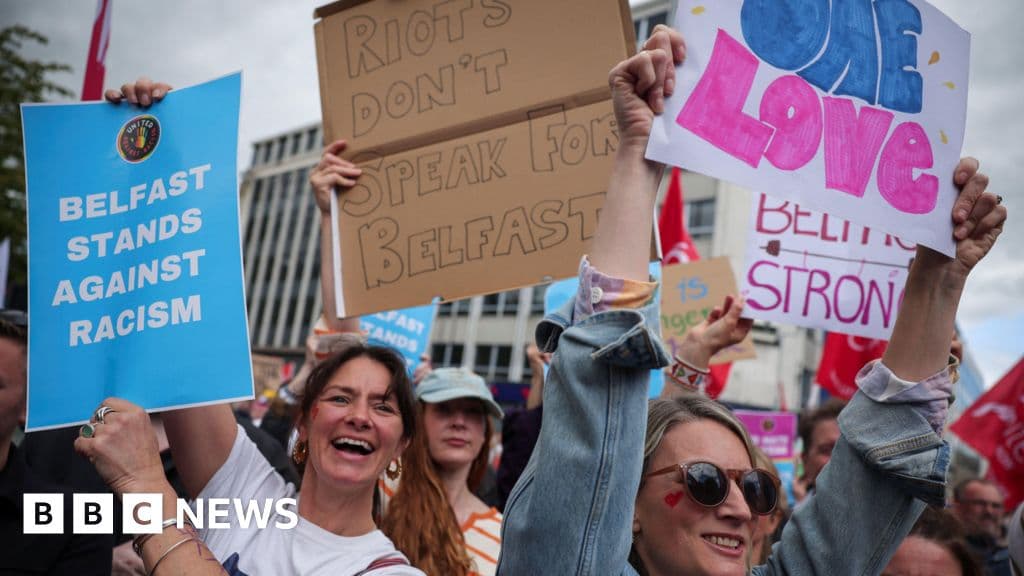
Thousands gather for anti-racism rally in Belfast after recent violence targeting homes and businesses.

Anthropic to disable advanced AI models following US order limiting foreign access.
See every story in News — including breaking news and analysis.
Trump administration attempts to slash TPS designations for Myanmar, Ethiopia and South Sudan are similarly being challenged in court.