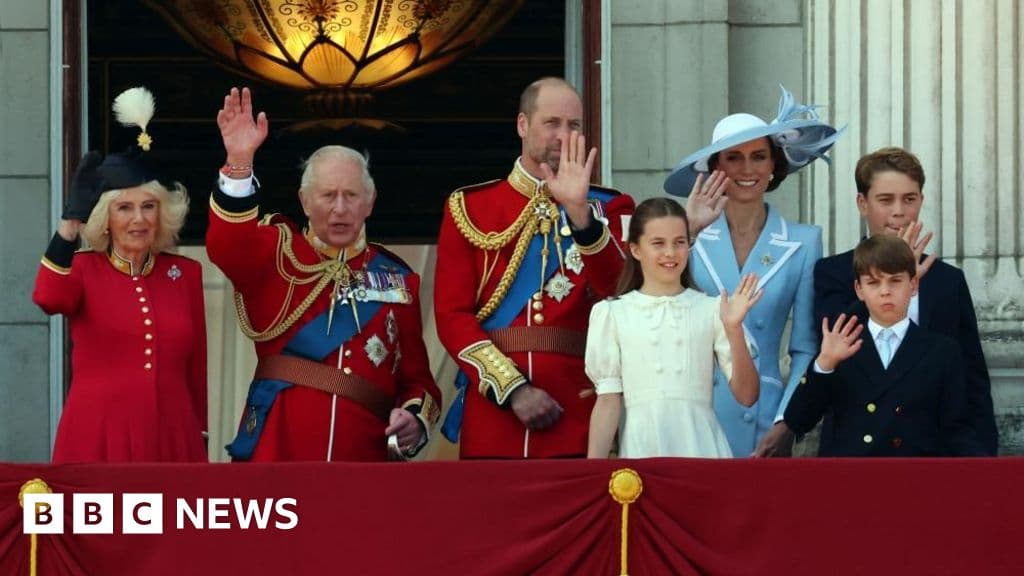
Royal Family watch Red Arrows flypast on Buckingham Palace balcony
The Royal Family gathers at Buckingham Palace for the Red Arrows flypast during Trooping the Colour.
BBC News1 min read

The Supreme Court is reviewing a case that could potentially increase prescription drug costs by delaying the entry of generic medications. Currently, generics account for 90% of prescriptions in the U.S., offering significant savings compared to brand-name drugs.

sinceLF/iStockphoto/Getty Images
The United States pays undeniably high prices for brand-name drugs. But when it comes to generics — the cheaper copycat medicines that now fill nine out of every 10 prescriptions in America — the country gets a very good deal.
Americans pay less, on average, for generic medications than people in any other peer nation. But the wait for those savings can be long, with some brand-name monopolies lasting decades before a generic can hit the market. That wait could get longer — depending on the outcome of a case the Supreme Court is hearing Wednesday.

The case could extend the duration of brand-name monopolies, delaying the introduction of generics and potentially raising costs.
Ninety percent of prescriptions in the U.S. are filled with generic medications.
Brand-name drug prices are high due to monopolies that can last for decades, limiting competition from cheaper generics.
High prescription drug costs can lead to increased financial strain on patients and limit access to necessary medications.
The Royal Family gathers at Buckingham Palace for the Red Arrows flypast during Trooping the Colour.

Bangkok mourners line streets for Princess Bajrakitiyabha's funeral procession.

Discover how Footy Addicts is building friendships through football in London!
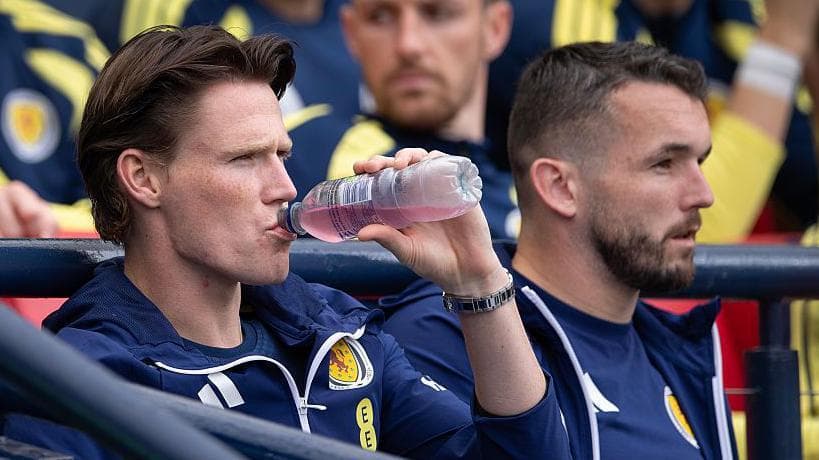
Could Scotland's coach Steve Clarke surprise fans with a midfield change against Haiti?
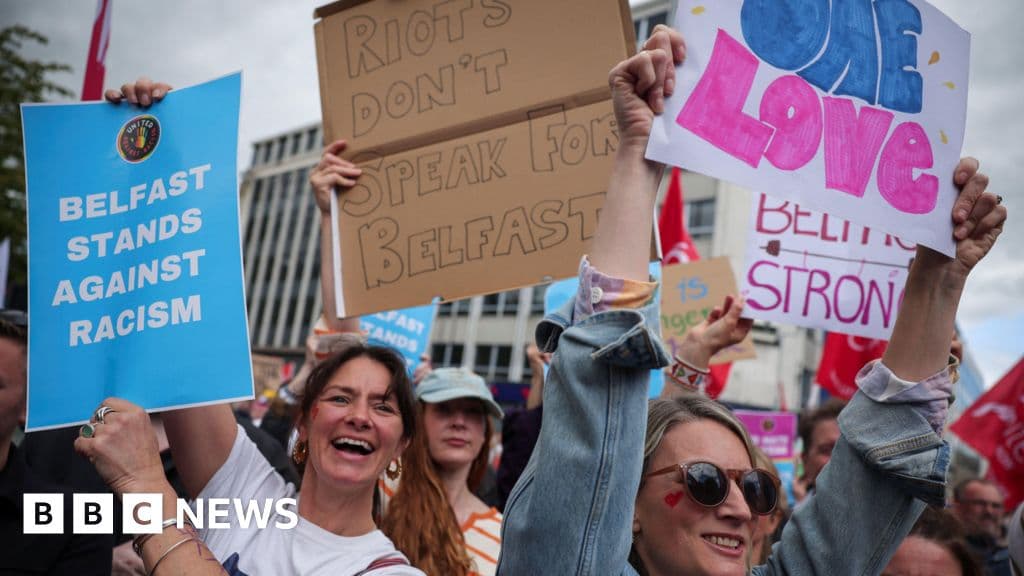
Thousands gather for anti-racism rally in Belfast after recent violence targeting homes and businesses.

Anthropic to disable advanced AI models following US order limiting foreign access.
See every story in News — including breaking news and analysis.
The case — Hikma v. Amarin — pits the generic drugmaker Hikma against Amarin, the maker of Vascepa, a brand-name drug made from purified fish oil for people at high risk of heart disease. The companies' dispute centers on a strategy known as "skinny labeling," which is used by generic firms to bring cheaper medicationsto market more quickly.
When a brand-name drugmaker loses its patents on some — but not all — uses of a medication, generic competitors can snag a skinny label approval from the FDA. This allows companies to begin selling their cheaper version of the medicine — justfor those unpatented uses. This shortcut can help firms avoid expensive patent litigation and deliver lower prices for patients and insurers sooner.
More than two dozen copycat medicines have followed this path to market over the last decade, including knockoffs of some big-name blockbusters, like Crestor, the popular cholesterol-lowering pill. One study found that, by shepherding low-cost competition to market sooner, skinny labeling saved Medicare nearly $15 billion between 2015 and 2021.
In this case, Amarin patented its drug Vascepa for use with two different groups of patients: One at very high risk for heart disease and the other at lower risk. After the use of the drug for higher-risk patients went off patent, Hikma hit the market with a skinny label approval in 2020. Amarin then wheeled around and sued Hikma for encouraging doctors to prescribe the generic for the still patented use — in addition to the unpatented one.
Amarin points to several things Hikma did, including describing its product as a "generic version" of Vascepa without flagging its narrow approval. But more than 70 legal scholars — along with the Trump administration's solicitor general — have weighed in defending the generic maker.
They argue that Hikma's actions fall within the bounds of routine marketing and labeling practices. The skinny label pathway "cannot function as Congress intended," wrote the solicitor general in a brief filed with the Supreme Court, "if a generic manufacturer's anodyne descriptions of its product create a serious risk of massive patent liability."
A federal circuit court disagreed and ruled in Amarin's favor, but Hikma convinced the Supreme Court to take another look.
Some experts warn that a decision in favor of Amarin, the brand-drug maker, will increase the legal risk of skinny labeling for generic companies. As a result, manufacturers may opt for other, slower roads to market, like waiting until all of a brand medication's patents have expired.Those alternatives reduce a company's risk but leave patients paying high prices for longer.
Take Crestor, that popular statin, for example.
Its manufacturer held multiple patents on treating different types of heart disease that could have kept their monopoly going until 2022. But skinny labeling allowed cheaper competition to launch six years earlier — in 2016. In just one year, that copycat drug saved patients and insurers more than $8 billion, according to the trade group that represents generic manufacturers.
That's a heap of potential savings that patients could miss out on — if generic firms cool on skinny labeling, cautioned University of Alabama law professor Sean Tu, who co-authored a legal brief siding with Hikma.
"We're going to see brand firms get longer monopolies," Tu predicted, "which means higher prices for patients, which means less access to these medications, which ultimately means that patients suffer with poorer health outcomes."
Other experts have a less dire outlook.
" I've heard a lot of 'the sky is falling' arguments in a lot of different areas of law, and the sky has yet to fall," said University of Illinois law professor Jake Sherkow.
Sherkow believes the skinny labeling pathway is lucrative enough that companies will find ways to cope with any increased risk.
"Even if [a generic drugmaker] gets sued, it's better to get sued and get approval than to not get approval," he said. "So I don't think anyone's going to stop using skinny labels."
Should the Court swing the other way — in favor of Hikma, the generic maker — patients will likely see no immediate impact on their costs.
In the longer run, however, Amarin's legal team warned that patients could pay a different kind of toll: fewer "revolutionary and life-saving drug discoveries." They argue that letting generic companies market products in ways that infringe — even indirectly — on still-patented uses of brand-name medicines erodes the incentive for brand companies to invest in discovering those additional uses.
Experts were loath to make any strong predictions. A few key signs, however, point in favor of Hikma, the generic challenger.
First, the Trump administration's solicitor general pushed the Supreme Court to take this case, then filed a brief in strong defense of Hikma. Second, data show that the Supreme Court overturns the lower court's decision roughly 70% of the time. Finally, the justices recently ruled on another patent infringement case in a way that suggests they have a high bar for what constitutes encouraging or inducing others to infringe on a patent.
Still, Tu, the Alabama law professor, said despite all of the promising signs, he describes himself as "cautiously pessimistic."
Even if the justices side with Hikma, Illinois' Sherkow noted that they could do so in a very broad way that leads "every company to jump on the skinny label bandwagon" — or in a narrow way that essentially just preserves the status quo.
Listen to the story on Tradeoffs:
Reporting for this story was supported, in part, by the philanthropy Arnold Ventures.
Leslie Walker is a senior reporter for Tradeoffs, a nonprofit news organization that reports on health care's toughest choices. You can sign up for Tradeoffs'weekly newsletter to get the latest stories in your inbox each Thursday morning.

