
BBC boss warns of compulsory redundancies as first phase of cuts revealed
BBC to implement job cuts and scrap programmes amid budget cuts
The Guardian World1 min read

UK inflation remained steady at 2.8% in May, contrary to fears of drastic increases due to the Iran conflict. Economic data suggests the impact of the war on living costs may be less severe than anticipated.
As soon as Iran choked off oil supplies through the strait of Hormuz at the start of March, there were dire warnings about rocketing UK inflation and the drastic action the Bank of England might take to rein it in.
At one point, investors were expecting as many as three quarter-point rises in interest rates before the end of the year – a sharp turnaround from earlier forecasts of rate cuts.
Yet since then a series of economic readings have come in better than forecast. Wednesday’s news that inflation was steady at 2.8% last month, is the latest evidence raising hopes that the real-world impact of the Middle East war on the cost of living could be more muted than first feared.
Three months on from the start of the conflict, inflation remains well above the Bank’s 2% target, and consumers have certainly endured rapid increases in the price of petrol. The cost of motor fuels in May was up an eyewatering 25% on a year ago, the Office for National Statistics (ONS) said.
But May’s inflation reading was unexpectedly benign – unchanged when economists expected a rise to 3% – and came after inflation fell by more than forecast in April.
That suggests fuel price rises have so far failed to spill out more widely across the economy; indeed, food prices, which shoppers tend to watch closely, were actually down 0.1% month on month.
The UK’s path of inflation has mirrored that of the European Union, despite some EU countries, including Germany, implementing fuel tax cuts to cushion the impact of price rises. US inflation surged to a three-year high of 4.2% in May – a record Trump shrugged off by insisting: “I love the inflation.”
Economists responded to the weaker-than-expected reading by downgrading their UK inflation forecasts for the coming months – and casting doubt on the prospect of future rate rises.

Bank of England Governor Andrew Bailey suggest firms lack ‘pricing power’ to drive up inflation; in that they don’t think cash-strapped shoppers would tolerate higher prices Photograph: Hannah McKay/Reuters
There may yet be worse to come: the impact of the higher price of fertiliser, for which the strait of Hormuz is an important transit route, and which relies on outputs from the Gulf, was always expected to play out over many months, for example.
The UK inflation rate in May 2023 was steady at 2.8%.
Initially, there were fears of rising inflation due to the Iran conflict, but recent data indicates the impact may be less severe than expected.
Investors initially expected up to three quarter-point interest rate increases before the end of the year, but forecasts have shifted.
Petrol prices in the UK increased by 25% in May 2023 compared to the previous year.
BBC to implement job cuts and scrap programmes amid budget cuts

Danny Rohl leaves Rangers to take over as head coach at RB Salzburg.

Real estate event in London promotes illegal land sales in Israeli settlements, despite prior denials.
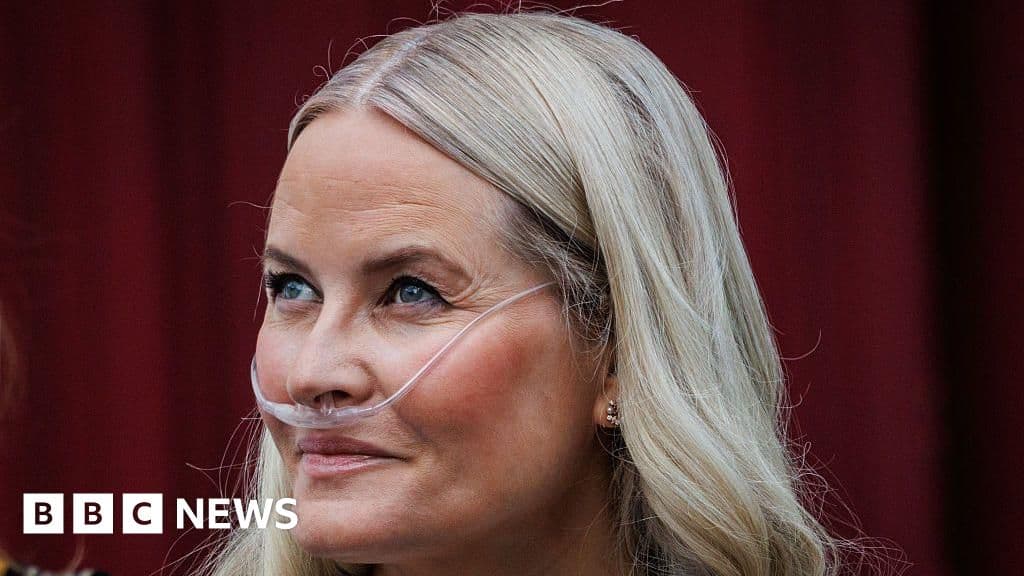
Norway's Crown Princess Mette-Marit successfully undergoes lung transplant in Oslo.

UK government confirms full apology for historic forced adoptions

Lululemon faces backlash for using Japanese drum at Great Wall yoga event
See every story in News — including breaking news and analysis.
However, as Bank of England’s governor, Andrew Bailey, has remarked, it also appears that firms lack “pricing power” to drive up inflation – in that they don’t think cash-strapped shoppers would wear higher prices.
That is in contrast to 2022, when Russia’s invasion of Ukraine caused a surge in oil and gas prices at a time of strong consumer demand, pushing up inflation more broadly to a peak of 11.1% by November that year.
As Andrew Wishart of Berenberg bank said in response to Wednesday’s consumer prices data: “The downside surprise was due to lower food and goods prices than we expected, suggesting that firms lack the pricing power necessary to pass on the increase in their energy costs.”
The Bank’s monetary policy committee had already been almost universally expected to leave interest rates on hold at 3.75% at their meeting on Thursday and that forecast remains.
In the face of above-target inflation most analysts still expect at least one interest rate rise this year, though markets are now betting that is more likely to happen in November than September.
The hoped-for reopening of the strait of Hormuz after this week’s announcement of a US-Iran peace deal has already shifted oil prices to below $80 a barrel, eliminating the Bank’s worst-case scenario. That means it may not be too long before the MPC starts to fret more about the downturn in the jobs market, than rising prices. The next move may yet be a cut.