Government to apologise to victims of forced adoptions in England
UK Government to Apologize to Victims of Forced Adoptions Soon
BBC News1 min read

The BBC plans to implement compulsory redundancies and scrap entire programmes as part of significant budget cuts. Director General Matt Brittin announced that around 700 roles will be eliminated, aiming to save £160 million this financial year.
Mentioned in this story
Entire BBC programmes will be scrapped and compulsory redundancies will be necessary as part of sweeping cuts at the corporation, its new director general, Matt Brittin, has told staff.
The former Google executive also announced he was reviewing the BBC’s broadcast TV channels and radio network, as audiences continue to switch to online content.
Its UK-wide channels include BBC One, BBC Two, BBC Three, BBC Four, the BBC News channel and BBC Parliament, as well as two children’s channels.
Brittin said 10% of “senior leaders” would go as part of the cuts. About 700 roles are expected to go across its corporate divisions.
The broadcaster’s news, nations and content divisions are to lose 550 staff members as part of a cost-cutting programme that will save £160m among them this financial year.
The divisions are the first to reveal the first phase of the cuts programme, the biggest at the BBC for more than a decade. Overall, as many as 2,000 jobs will be lost over the next three years, with a savings target of £500m.
Brittin told staff: “Reductions of this scale inevitably mean some compulsory redundancies, though we will work hard to avoid this wherever we can. Many divisions have already opened voluntary redundancy windows; more will be opening today.”
He said: “We will also have to close some programmes.”
He set out three principles behind the cuts. The first was to sustain output with the “highest audience value and impact”. The second was to meet audiences “where they are” – a nod to the rise of digital platforms such as YouTube. He said spending on commissioning by the content, news and nations divisions would fall by about £80m next year.
Finally, he said he wanted to make the BBC “simpler and faster – we must reduce duplication, clarify accountability and increase the speed of decision making. This includes reducing senior leaders by at least 10%.”
Brittin will address staff next week to talk through the cuts in an event that will also include the content chief, Kate Phillips.
“We live in very uncertain times,” he said. “Our audiences rely on us every day to keep them informed, entertained and equipped to make sense of the world. Making savings while fulfilling our mission means a doubly difficult time for everyone.”
Philippa Childs, the head of the broadcasting union Bectu, said: “These cuts, while expected, will still be devastating for the workforce and to the BBC as a whole. Ten per cent cuts when real-terms income from the licence fee is already down £1.3bn in the last decade is significant and will affect the BBC’s ability to deliver its public service mission. It seems clear that cuts will have a direct impact on programming and output, and audiences will also notice the effects.
The BBC is facing a shift in audience preferences towards online content, prompting the need for budget cuts and restructuring.
Approximately 700 roles will be cut, with 550 staff members affected in the news, nations, and content divisions.
The BBC aims to save £160 million this financial year through these job cuts and programme eliminations.
UK Government to Apologize to Victims of Forced Adoptions Soon

Milan tram drivers face suspension over sexist comments in WhatsApp group about female passengers.
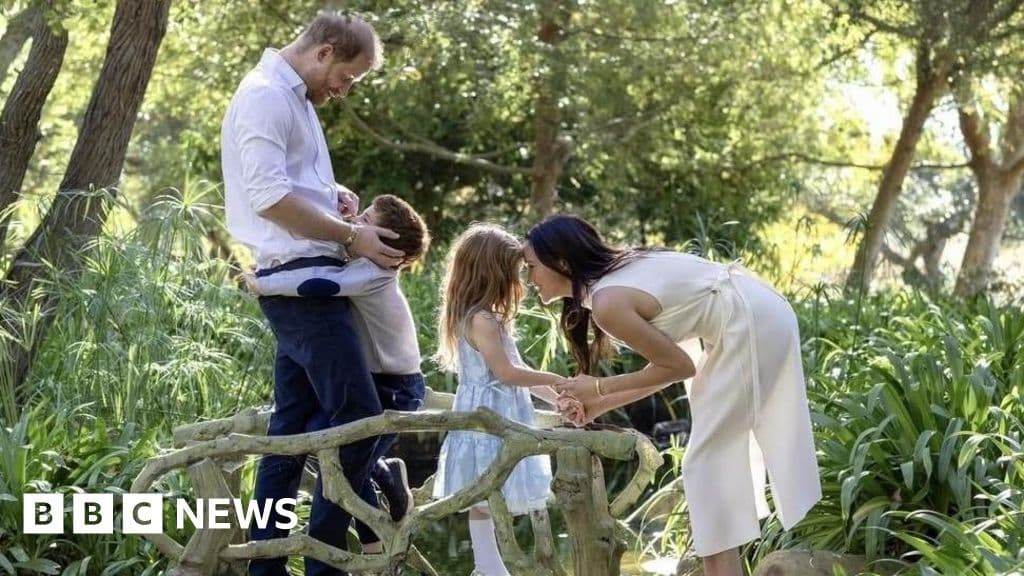
Harry and Meghan are bringing Archie and Lilibet to the UK next month!

At just 18, Jimmy Chilimigras wants to fight harmful social media practices
Romeo Beckham fined £440 for using phone while driving his Porsche 911.
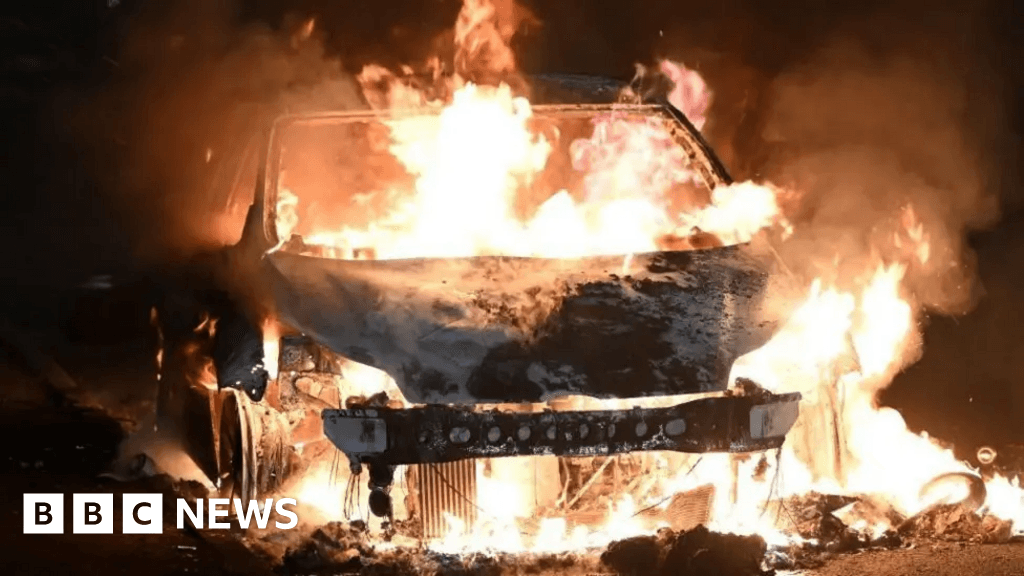
Court erupts in anger as first rioters sentenced for Cardiff violence
See every story in News — including breaking news and analysis.
“To be embarking on this latest round of cuts at the same time as charter renewal is far from ideal. I’m not sure how you can make informed decisions about the long-term future of the organisation when it will be in a substantially diminished place at the end of the process than the beginning.”