
Nigeria’s second-chance schools: women balancing study and survival
Meet Habiba Abubakar: a mother in Nigeria returning to school to support her children.
Al Jazeera English1 min read

Over 130 public figures, including Sally Rooney and Greta Thunberg, have supported Palestine Action ahead of a UK Court of Appeal hearing on the government's ban of the group. The court will hear the appeal on April 28 and 29.
Mentioned in this story
More than 130 public figures have written to the UK’s Court of Appeal expressing support for Palestine Action, days before a hearing to decide on the lawfulness of the government’s ban on the direct action group.
A letter released Friday, bearing 132 signatures and addressed to the UK’s Court of Appeal, read: “We oppose genocide, we support Palestine Action.”
The declaration came in advance of hearings scheduled for April 28 and 29, during which the court is slated to hear the government’s appeal to uphold its proscription of Palestine Action.
Internationally known figures, including the writer Sally Rooney, climate campaigner Greta Thunberg and American scholar Judith Butler are among those who signed the declaration.
Others include British musicians Nadine Shah and Brian Eno, writers China Mieville, Lina Meruane and Tariq Ali, along with dozens of professors at leading universities such as Cambridge, Oxford, Yale, Columbia and the London School of Economics.
The letter’s singular sentence has become a well-known slogan used to express support for Palestine Action, which the UK government proscribed as a “terrorist organisation” in July 2025.
That designation – which placed Palestine Action in the same category as Hezbollah and al-Qaeda – makes it illegal to be a member of or express support for the group, offences punishable by up to 14 years in prison.
In February, the UK’s High Court ruled that the government’s ban was unlawful and disproportionate, prompting London’s Metropolitan Police to say it would refrain from arresting demonstrators rallying in support of the group.
But with the government appeal pending, the Met reversed course, and officers arrested more than 500 people at a protest earlier this month.
Defend Our Juries, an activist group that has organised rallies and called for the government to drop its proscription, said in a statement accompanying Friday’s letter that the signatories were vulnerable to “terrorism charges”.
“If the police proceed to arrest these scholars on terrorism charges, the authoritarian nature of the ban will be further exposed,” the group wrote. “But if they don’t, the more than 3,000 previous arrests of people for saying precisely the same thing will be shown to be not just unlawful but arbitrary and discriminatory.”
In their own statements, several signatories expressed solidarity with Palestine Action and called on the government to halt its appeal.
Palestine Action is a direct action group advocating for Palestinian rights, and the UK government has banned it due to concerns over its methods.
Notable supporters include writer Sally Rooney, climate activist Greta Thunberg, and scholar Judith Butler, among others.
The UK Court of Appeal hearing is scheduled for April 28 and 29.
Meet Habiba Abubakar: a mother in Nigeria returning to school to support her children.

Silicon Valley's influence was evident in California's primary election, with significant funding leading to key victories in smaller races. Despite a loss for their gubernatorial candidate, the tech industry saw success with other favored candidates advancing.

Seattle is moving to ban new datacenters for a year amid utility and environmental concerns.

Japan is experiencing a shortage of plastic bags, trays, and gloves due to a worsening naphtha shortage linked to the Iran war. The food sector, a major consumer of plastic, is particularly affected, prompting some businesses to incentivize customers to bring their own containers.
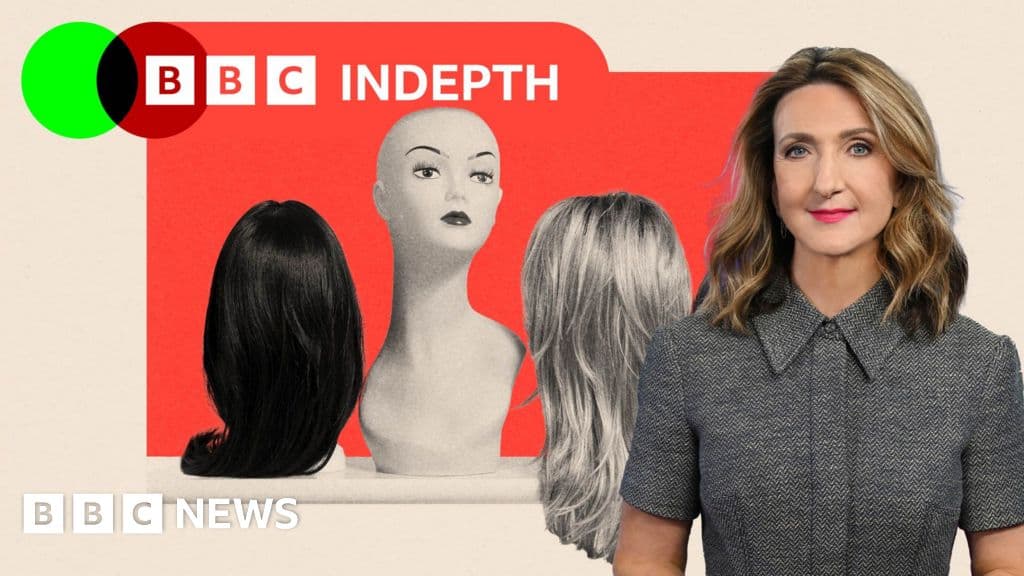
A woman's journey through unexpected hair loss during chemotherapy highlights emotional struggles.
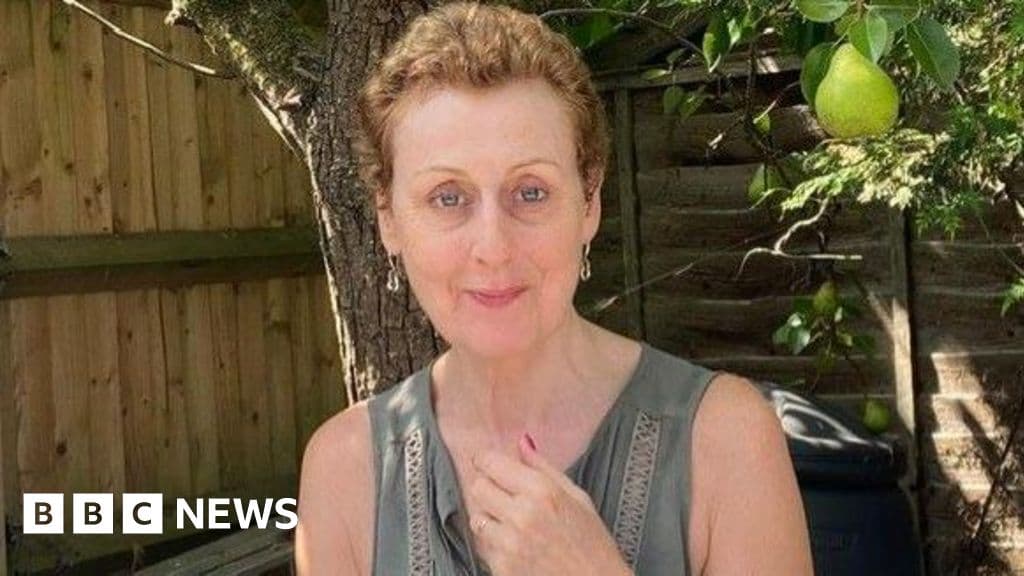
Breakthrough ovarian cancer drug now available on NHS, improving lives and extending time for patients.
See every story in News — including breaking news and analysis.
The UK government is “silencing the messenger”, said Neve Gordon, an international law professor at Queen Mary University of London.
“The decision to appeal the ruling rendering the proscription unlawful is yet another sign of the government’s moral bankruptcy,” he added.