
Workers remove Trump’s name from Kennedy Center after court ruling
Workers begin removing Trump's name from the Kennedy Center after a court ruling declared the renaming illegal.
Al Jazeera English1 min read

Lloyds forecasts a £151m loss due to the economic impact of the Iran conflict, predicting UK unemployment will rise to 5.6% amid inflation and a housing market slowdown.
Mentioned in this story
Lloyds has warned that the economic fallout from the Middle East conflict could cost it £151m amid rising unemployment and inflation and a slowdown in the housing market.
The FTSE 100 group, whose brands include Lloyds Bank, Halifax and Bank of Scotland, issued a downbeat economic forecast that it said reflects the stagflationary consequences – the double hit of rising inflation at the same time as slower economic growth – for the UK and global economies.
Overall, Lloyds expects its base case for UK gross domestic product growth to be only 0.5% this year, lower than the 0.8% forecast by the International Monetary Fund earlier this month.
Lloyds forecasts include a rise in the UK unemployment rate to 5.6% by the second half of the year. Last week the Office for National Statistics put the rate of unemployment at 4.9% in February but said it expected that to climb because of the conflict.
The bank also said that increases in energy prices – the price of oil is currently at more than $114 a barrel – is pushing up inflation, with an expectation that the rate will hit 3.9% by the end of this year. UK inflation is currently running at 3.3%.
However, Lloyds believes that the Bank of England will not move to increase the base interest rate, which stands at 3.75%, this year, but will also not cut it until the third quarter of 2027. The market is currently factoring in at least two rate rises by the monetary policy committee by the end of the year.
William Chalmers, the chief financial officer at Lloyds, said: “This isn’t a recessionary environment to be clear. It is a slowdown in growth expectation since the beginning of the year due to the Middle East conflict.
“It is noticeable that the market is more aggressive in terms of expectations of interest rate increases. We are not expecting that as we expect the Bank of England will not need to. Much like the rest of the market we are assuming a gradual de-escalation of hostilities over the course of the year. That is the backdrop for the economic assumptions we have made.”
Overall, the group booked a total £295m underlying impairment charge for the quarter, down on a £309m charge booked for the same period last year, which included the impact of the global tariff war.
Lloyds reported pre-tax profits of £2bn in the first quarter, an increase of a third over the same period last year, well above analyst consensus of £1.84bn.
Lloyds is forecasting a £151m loss as a result of the economic fallout from the Iran conflict.
Lloyds expects the UK unemployment rate to rise to 5.6% by the second half of 2023.
The current inflation rate in the UK is 3.3%, with expectations to rise to 3.9% by the end of the year.
Lloyds forecasts UK GDP growth to be only 0.5% for this year, lower than the IMF's earlier estimate of 0.8%.
Workers begin removing Trump's name from the Kennedy Center after a court ruling declared the renaming illegal.
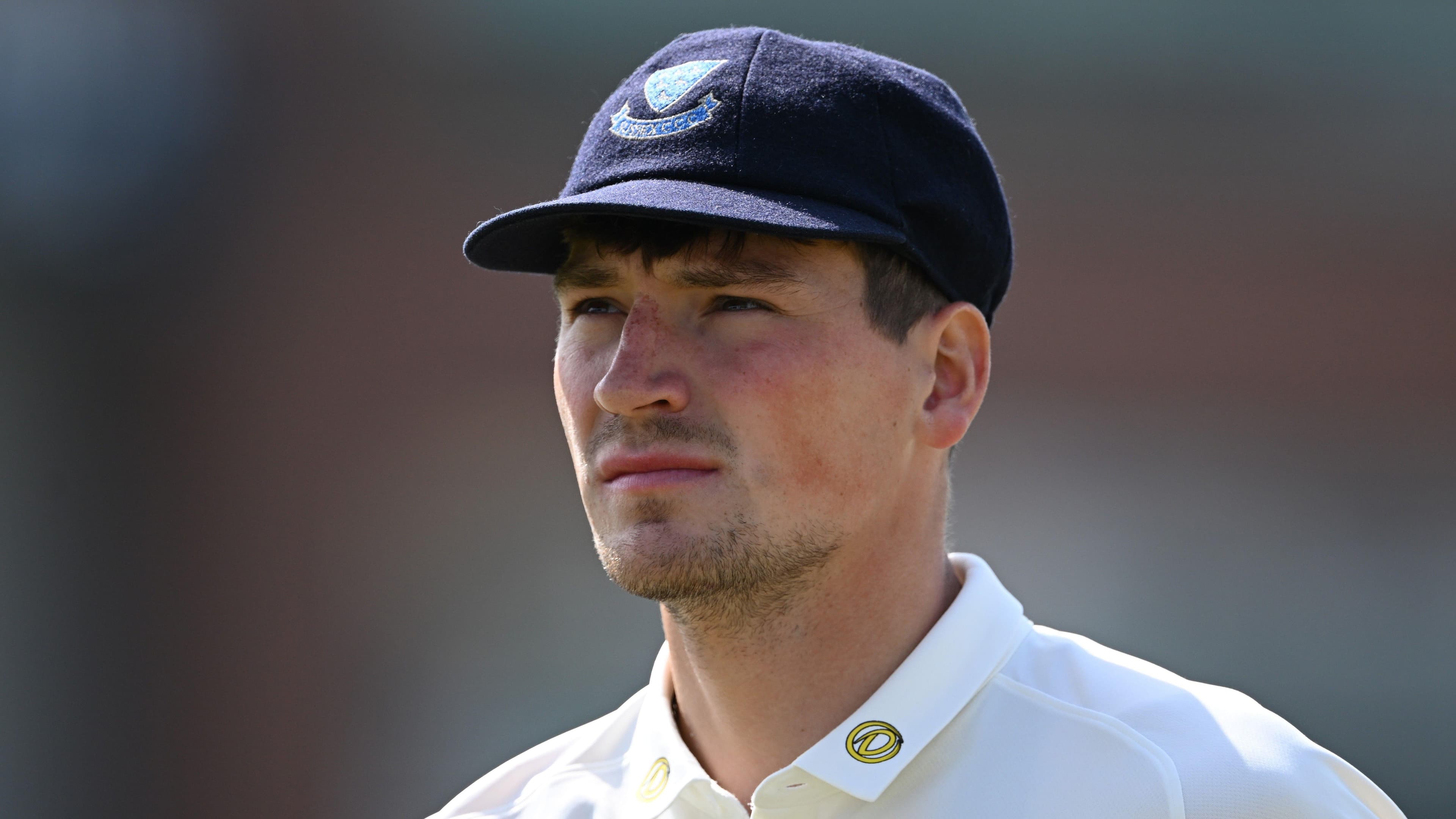
Henry Crocombe called up by England as cover for injured Ollie Robinson ahead of second Test against New Zealand.
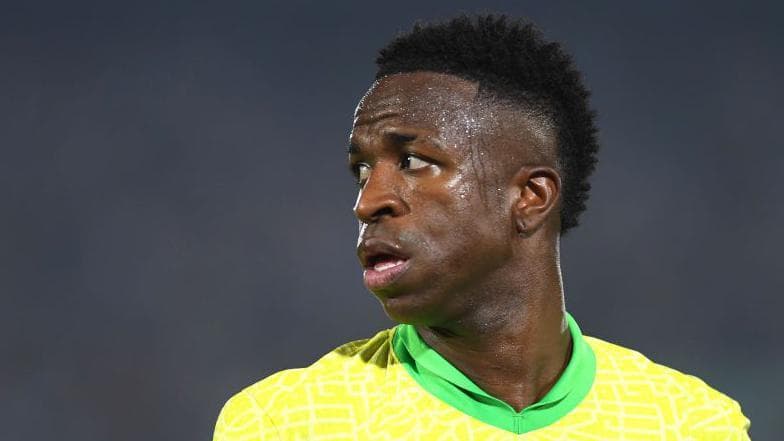
Can Vinicius Junior step up as Brazil's leading football star?

Emma Raducanu overcomes injury to reach Queen's semi-finals!

Boston becomes 'mini-Scotland' as fans gather for World Cup opener
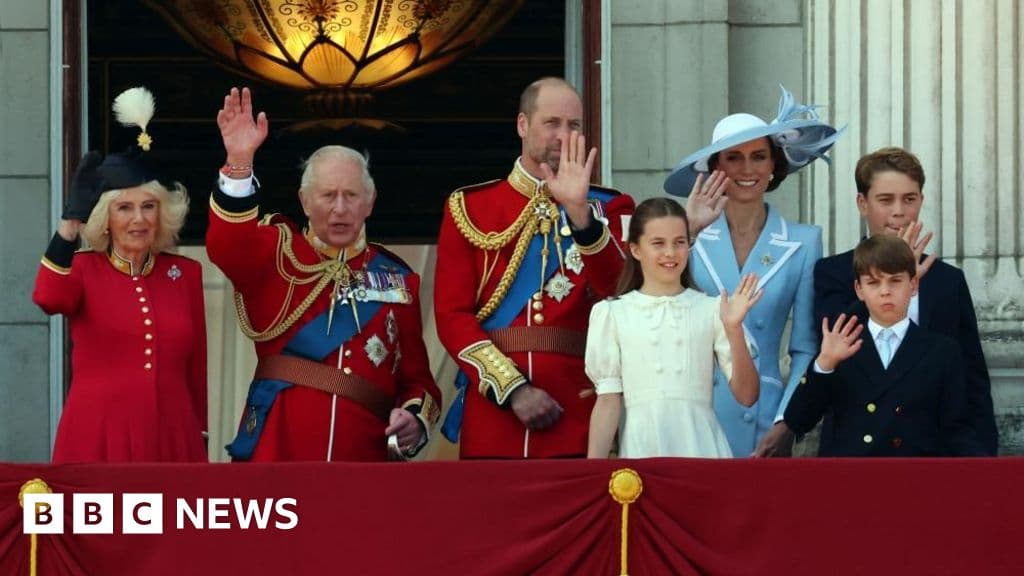
The Royal Family gathers at Buckingham Palace for the Red Arrows flypast during Trooping the Colour.
See every story in News — including breaking news and analysis.
The banking industry has benefited from the market turbulence caused by the Iran war, with Wall Street’s largest lenders raking in nearly $50bn (£37bn) in profits in the first three months of the year.
Responding to questions over whether banks were profiteering, Chalmers said: “Banks have had many years of very low margins, of low profitability in the context of a low rate environment.
“The sector always expected a gradual increase in the profitability of banks when rates rise. That is the way the financial services industry works. However, the profitability of banks has lagged the rise in rates by quite a lot. And it does not stop attractively priced products [for consumers].”
Oil majors have also been accused of gaining significantly from the conflict, after reporting soaring profits as the price of oil rises.