125 resultsfor “Strait of Hormuz significance in negotiations”
Strait of Hormuz. The visit — and its timing — underscore what analysts say are China’s significant stakes in the US-Iran war, and the role Beijing could play in influencing the direction of the conflict
significant" but "not final" progress had been made in the negotiations. He hinted at good news on Hormuz, saying that progress over the past 48 hours - if it works - could result in a "completely open
negotiating team, which reportedly made significant progress before before the Iranian side baulked and re-closed the strait of Hormuz
Strait of Hormuz, including those ships that have secured authorisation from Iranian authorities. This does not include the movement of “shadow” fleets, when vessels illegally turn off tracking devices. “From an economic perspective, a negotiated
significant obstacles remained, including how to unfreeze billions of dollars in Iranian assets. 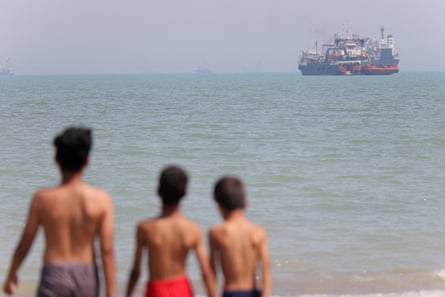 A vessel in the strait of Hormuz near Bandar Abbas beach
significance of the latest announcement on the strait? The blockade of the Strait of Hormuz has caused one of the worst energy crises in decades, with experts warning of a looming global recession. Since
Strait of Hormuz first, with the nuclear programme to follow.  The MSC Francesca captured by the Islamic Revolutionary Guard Corps in the Strait of Hormuz on April 24, 2026 [Meysam Mirzadeh/Tasnim/WANA via Reuters
significantly strengthened after surviving nearly 40 days of relentless attacks and the blockade that came afterwards, while maintaining the disruption of the Strait of Hormuz. Mahmoud Nabavian, a hardline scholar, lawmaker and member
significantly since the conflict began on February 28, resulting in the effective closure of the Strait of Hormuz, where around a fifth of the world’s oil and gas is normally shipped. “Americans are told
Strait of Hormuz continue to disrupt global energy supplies, and the future of Iran’s nuclear programme remains unresolved. In a sign of the continuing standoff, White House spokesperson Anna Kelly on Tuesday said
Hormuz](/news/2026/5/5/centcom-says-project-freedom-has-just-2) by force, while maintaining the siege on Iranian ports, earlier this month was short-lived, ending in less than 48 hours without significantly increasing traffic in the strait. “Washington understands that
Strait of Hormuz is not free”. “One cannot restrict Iran’s oil exports while expecting free security for others,” he wrote in a post on X. “The choice is clear: either a free oil market
negotiations on its stock of highly enriched uranium. Asked whether the US would lift sanctions on Iran in return for the country reopening the Strait of Hormuz, Rubio said that would not be sufficient. “That
negotiation … It is a warning that another round of confrontation may be ahead.” He said Iran still viewed the Strait of Hormuz as a key source of leverage in any talks. “It’s trying
Strait of Hormuz, would reopen the critical waterway within 30 days of signing. Trump has not given specific reasons for his outright rejection of Iran’s latest peace proposal. Reporting from Washington, DC, Al Jazeera
negotiated end to the war in Iran, which began with a [US-Israeli attack on 28 February](https://www.theguardian.com/world/2026/feb/28/us-israel-launch-strikes-attack-iran-what-we-know-so-far-latest). Despite claims by the US president, Donald Trump, that the Pakistani-brokered ceasefire had marked
strait of Hormuz. Appearing before the Senate foreign relations committee for the first time since the [Trump administration](https://www.theguardian.com/us-news/trump-administration) launched the war against Iran – which was pitched as a short, weeks-long