
Midwives on frontline of childbirth deaths crisis denied visas for key summit
Visa denials prevent key midwives from attending maternal health summit in Lisbon, risking lives.
The Guardian World1 min read
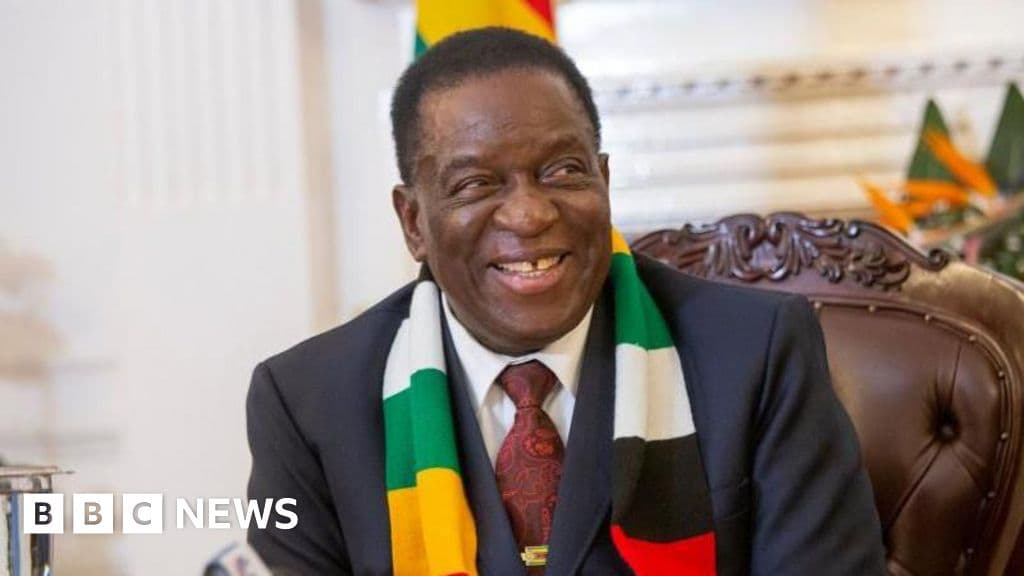
Zimbabwe's parliament has passed a bill extending presidential terms from five to seven years, allowing President Mnangagwa to potentially remain in power until 2030. The legislation also removes direct presidential elections, shifting the selection process to parliament.
Mentioned in this story
Zimbabwe's lower house of parliament has passed a bill to extend presidential terms from five to seven years, which would allow President Emmerson Mnangagwa to remain in power until 2030.
More than 200 lawmakers voted in favour of the draft legislation on Thursday, surpassing the vote threshold required for a two-thirds majority to amend the constitution.
The bill also scraps direct presidential elections, with future presidents chosen by parliament.
Mnangagwa, 83, took power in 2017 after ousting long-time ruler Robert Mugabe with the backing of the military - and went on to win disputed elections in 2018 and 2023.
The bill now heads to the senate, where it is also expected to secure approval, before being enacted by the president.
This is the culmination of a campaign by the ruling Zanu-PF party - in power since independence in 1980 - to amend the constitution and extend presidential terms, a plan that received cabinet backing in February.
The president had previously described himself as a constitutionalist and pledged to respect term limits.
During Thursday's vote, Speaker of Parliament Jacob Mudenda announced that 216 lawmakers had backed the legislation, surpassing the 187 votes required to amend the constitution. Forty-two lawmakers voted against it.
The amendment contains several provisions:
Opposition parties, civil society groups and constitutional lawyers have argued that such fundamental changes should be put to a national referendum rather than being approved solely through parliament.
Initially hailed by supporters as a reformer who would restore economic growth and democratic governance, Mnangagwa's presidency has instead been marked by economic challenges, disputed elections and growing concerns over democratic backsliding.
The latest constitutional changes have intensified debate over Zimbabwe's political future, with opponents warning that the amendments could weaken democratic accountability, while supporters maintain they are necessary to ensure continuity and stability.
A new constitution adopted in 2013 restricted a president to serving a maximum of two terms, adding that any move to extend term limits would need to be endorsed by voters in a referendum and that a sitting president cannot benefit from any extension unless voters give their approval in a second referendum.
However, on Wednesday, the country's Constitutional Court dismissed a legal challenge seeking to block the bill.
The bill extends presidential terms from five to seven years and eliminates direct presidential elections.
More than 200 lawmakers voted in favor of the bill, surpassing the two-thirds majority needed for constitutional amendments.
If enacted, the bill allows Mnangagwa to remain in power until 2030, following his controversial elections in 2018 and 2023.
Visa denials prevent key midwives from attending maternal health summit in Lisbon, risking lives.

Tuchel faces tough choices with Rashford and Guehi after England's win.

Starmer's future hangs in the balance following Burnham's win in Makerfield by-election.

Bologna's Il Cinema Ritrovato festival celebrates its 40th anniversary with a showcase of forgotten films, attracting cinephiles.

St Kilda pier takes home top honors at Victorian architecture awards!

Scientists fight back against Trump’s proposed research funding cuts
See every story in News — including breaking news and analysis.
Go to BBCAfrica.com for more news from the African continent.
Follow us on Twitter @BBCAfrica, on Facebook at BBC Africa or on Instagram at bbcafrica