
Trump-backed candidate wins primary to face Jon Ossoff in Georgia midterms – US politics live
Mike Collins wins Georgia primary, set to challenge Jon Ossoff in Senate race
The Guardian World1 min read

The Reserve Bank is expected to implement a third consecutive interest rate hike this week, with nearly 80% likelihood. This comes amidst rising petrol prices and increased inflation, which reached 4.6% in March.
One economist is calling it the “Hormuz hike”.
There’s a nearly 80% chance that the Reserve Bank will deliver a third straight interest rate rise on Tuesday, according to financial markets.
Higher interest rates are always unwelcome for the roughly 3.6m households paying down a mortgage. But a rate rise this week would be particularly galling.
Slammed with higher petrol prices and the broader cost-of-living grind, more than one homeowner will be wondering how paying more interest on their loans will do anything to fix the root cause of the latest inflationary pulse: the Middle East conflict.
Official figures released last week showed inflation jumped by almost a percentage point to 4.6% in the year to March and the highest in two and a half years. But the more than 30% spike in petrol prices in the month accounted for most of the month’s inflationary uplift, the data showed.
Phil O’Donaghoe, the chief economist at Deutsche Bank, understands mortgage holders’ frustration.
“The irony is that there is absolutely nothing that monetary policy can do about inflation in the next six months: it’s all the oil price,” he says.
But O’Donaghoe, like most economists, still reckons a rate hike is the right thing to do.
Why? Because the RBA needs to send a message: “We are going to get inflation back under control”.
“If they do follow through next week with another one [rate rise], it is specifically about demonstrating to price and wage setters in the economy that they are serious about the inflation target,” O’Donaghoe says.
“And the best way it can do that at this point in time is with interest rate hikes.”
Robert Thompson, a macro strategist at RBC Capital Markets, readily acknowledges that the RBA can’t do anything about the global oil supply shock. But Thompson, like many analysts, notes that inflation had been “uncomfortably high” even before the US and Israel began bombing Iran at the end of February.
With its inflation-fighting credentials already under pressure, the central bank is “extra sensitive” to the knock-on effects of higher fuel costs through the rest of the economy.
The RBA’s nine-member monetary policy board voted to hike rates at the last meeting in March with only the slimmest five-to-four majority.
“I’d be surprised if it was as close as the last one; I think the case is clearer,” Thompson says.
“The RBA has one tool, and they need to use it or otherwise risk letting inflation go up significantly.”
By dampening demand through rate rises, it makes it harder for businesses to pass on those costs to their customers through higher prices. “I see it as a sequencing issue: inflation here and now is something you need to get in front of,” Thompson says.
“The growth shock will absolutely come through, but will come a little bit later and the RBA can respond to that later.”
There is nearly an 80% chance that the Reserve Bank will raise interest rates this week.
The interest rate hike will increase costs for approximately 3.6 million households currently paying down a mortgage.
The recent inflation spike to 4.6% was largely driven by a more than 30% increase in petrol prices.
The term 'Hormuz hike' is used by an economist to highlight the connection between rising interest rates and the inflationary pressures stemming from the Middle East conflict.
Mike Collins wins Georgia primary, set to challenge Jon Ossoff in Senate race
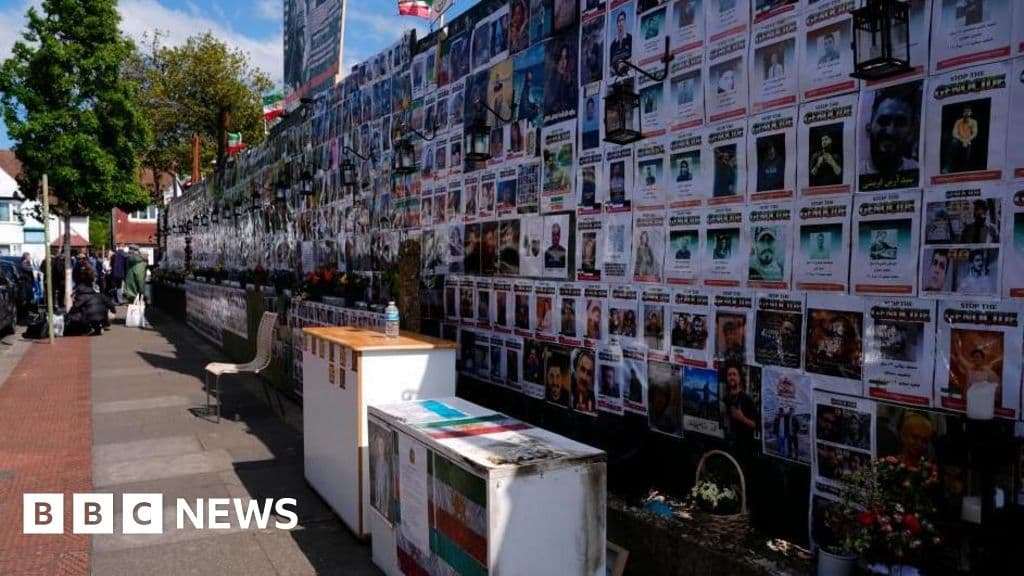
Ali Fallahi charged with arson for fire at Golders Green memorial wall

UK PM Starmer condemns Russian frigate's warning shots as reckless

Former diplomat criticizes Labour's lack of EU strategy upon taking power.

UK inflation holds at 2.8%, easing fears from Iran conflict impact

Activists Expose UK Fair Selling Property in Illegal Israeli Settlements
See every story in News — including breaking news and analysis.
Johnathan McMenamin, a senior economist at Barrenjoey, says the RBA can not simply step back and let inflation self-correct as the economic damage from the fuel crisis runs its course.
“Inflation will always kill itself eventually by damaging real incomes and living standards to such a degree that it slows. The job of the central bank is to maintain inflation expectations and smooth the cycle,” McMenamin says.
“And if they do end up squashing demand too much, they can turn around and cut. They can’t do nothing.”