
Barclays to buy GoHenry kids’ debit card and money app
Barclays is buying GoHenry, a kids' debit card app, to target young users.
The Guardian World1 min read

Victims of sexual violence expressed distress during a Westminster evidence session, citing 'pugnacious' questioning that led to emotional breakdowns. The victims' commissioner has lodged a formal complaint regarding the conduct of MPs during these sessions.
Mentioned in this story
Victims of rape and sexual violence have told parliamentarians they felt anxious and distressed during a Westminster evidence session, with one stating that witnessing “pugnacious” questioning had resulted in her “breaking down, sobbing and struggling to breathe”.
The victims’ commissioner has made a formal complaint to the chair of an influential group of MPs after a highly charged evidence session carried out by the public bill committee for the courts and tribunals billabout controversial changes to jury trials.
Claire Waxman told MPs that she could not “in good conscience, encourage victim-survivors to participate in evidence sessions conducted in a manner that may expose them to retraumatisation or emotional harm”. Other victims’ organisations, including Rape Crisis and Women’s Aid, have also raised concerns after an evidence hearing that included robust questioning and some terse exchanges.
One victim told MPs that she had felt “shocked, upset and extremely distressed” at some of the questioning she heard. Morwenna Loughman wrote in comments published alongside the letter that she felt it had “crossed the line into disrespect and pugnaciousness”.
She added: “As a victim-survivor I immediately felt threatened and attacked, thrust back into fight or flight.” Loughman said the questioning had “played a large part” in her having an emotional breakdown and she was “sobbing and struggling to breathe after questioning”.
Another survivor, Jade Blue McCrossen-Nethercott, said the session had been “difficult to watch” and that the line between scrutiny and cross-examination had, at times, been crossed. A third, Charlotte Meijer, said that the way Waxman had been questioned made her feel “like I was back in court” and said she was anxious the same would happen to her in her later evidence session.
At one point during the evidence, the shadow justice minister Kieran Mullan questioned Waxman about a letter in which 30 organisations representing victims of violence against women and girls (VAWG) urged the justice secretary, David Lammy, to drop plans to significantly reduce the number of jury trials.
Mullan asked the commissioner if she accepted the letter referenced the impact of the limiting of jury trials on victims. Waxman replied that it focused on victims who were also defendants and said he should read the whole letter. Mullan said: “I have read it, and I have just read you a quote. If you do not want to take a common quote at its face value, that is fine.” Waxman responded: “Can I just remind you that we have victims in the room, and I think that is really important?”
Victims reported feeling anxious and distressed due to aggressive questioning from MPs, leading to emotional breakdowns.
The victims' commissioner, Claire Waxman, filed a formal complaint to the chair of the public bill committee.
Organizations like Rape Crisis and Women’s Aid expressed concerns about the potential for retraumatization and emotional harm to victims.
One victim, Morwenna Loughman, described feeling threatened and attacked, leading to an emotional breakdown during the session.
Barclays is buying GoHenry, a kids' debit card app, to target young users.

Key FISA provision set to expire as Trump faces backlash over DNI appointment
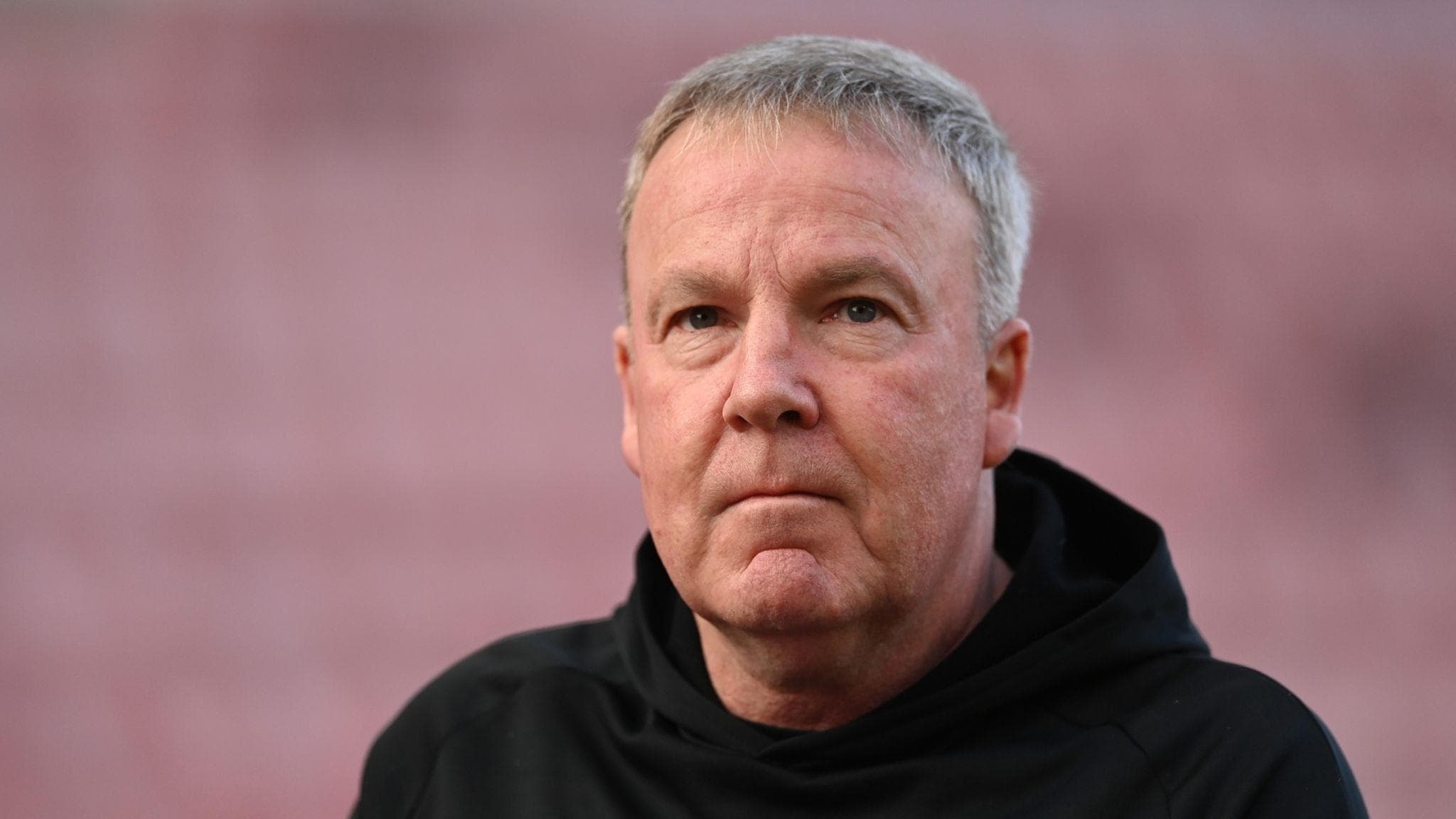
Watford legend Kenny Jackett passes away at 64

Will Iraq's Prime Minister Ali al-Zaidi succeed in disarming paramilitary groups?
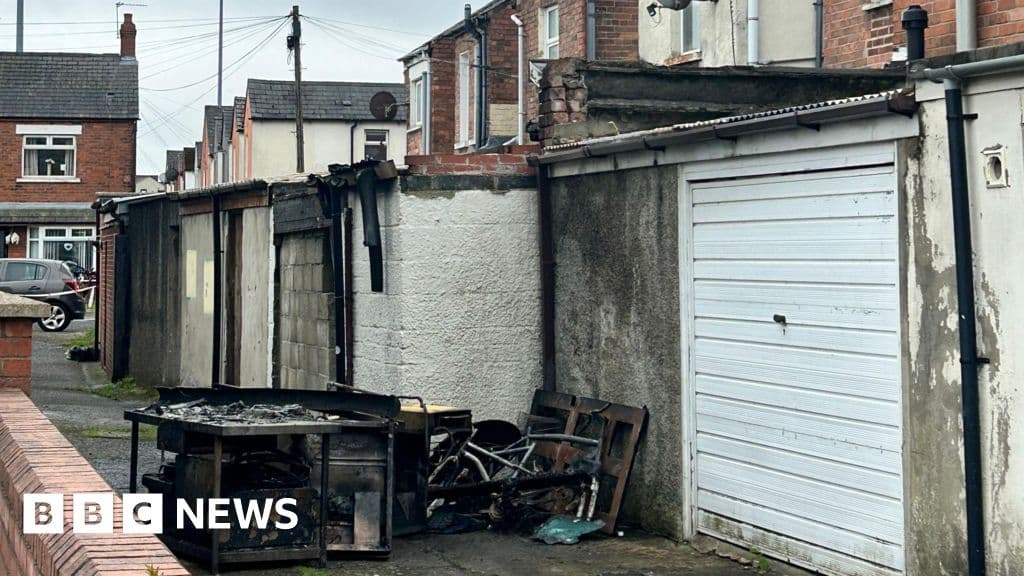
Nineteen people arrested, including a teen, after violence in Northern Ireland and an arson attack.

David Hockney, the iconic British artist known for his diverse work, has passed away at 88.
See every story in News — including breaking news and analysis.
Committee chairs took the unusual decision to escalate the letter to the deputy speaker Nusrat Ghani, the Guardian understands. Responding the letter, Ghani, who oversees the chairs of public bill committees, said it was important that MPs had “freedom to question robustly during parliamentary proceedings, particularly when holding public officials to account”. The committee chairs and members had “adopted an appropriate tone for questioning those witnesses and recognised their courage, both in comments on the record and in speaking to them afterwards”, she said.
Rape Crisis also wrote to the chair of the public bill committee. The charity said the “adversarial” tone, repeated interruptions and pressure for narrow answers, “risked replicating some of the very dynamics survivors of rape and sexual abuse” found distressing.
Farah Nazeer, the chief executive of Women’s Aid, said the session had left her “disappointed and angry on behalf of the survivors”, adding that while robust questioning was “absolutely essential” she felt “the questioning felt closer to cross-examination” and victims had not been treated with enough care.
Waxman said parliament had to be “a safe and supportive place” for victims and she had requested a meeting with the deputy speaker. “Having followed parliament’s own processes and seen the concerns raised dismissed, I believe more needs to be done to ensure victims are properly supported, heard and valued,” she said.
Information and support for anyone affected by rape or sexual abuse issues is available from the following organisations. In the UK, Rape Crisis offers support on 0808 500 2222 in England and Wales, 0808 801 0302 in Scotland, or 0800 0246 991 in Northern Ireland. In the US, Rainn offers support on 800-656-4673. In Australia, support is available at 1800Respect (1800 737 732). Other international helplines can be found at ibiblio.org/rcip/internl.html