
Iran war day 97: Tehran says no progress in talks; Israel attacks Lebanon
Iran's Foreign Minister reports no progress in U.S. talks as tensions escalate; Kuwait suffers casualties from Iranian attacks.
Al Jazeera English1 min read

The US military has killed four individuals in its latest strike on vessels in the eastern Pacific, marking the fourth attack in four days. SOUTHCOM claims the victims were 'narco-terrorists' involved in drug trafficking, though no evidence has been provided.
The US military has killed four more people in its fourth deadly attack on vessels in the eastern Pacific Ocean over the past four days.
US Southern Command (SOUTHCOM) announced the attack in a social media post on Tuesday, alongside a video that showed a stationary boat with outboard engines being hit by a missile and exploding into a huge ball of flames.
SOUTHCOM, which is responsible for US military operations in Latin America and the Caribbean, claimed that the four people killed were “narco-terrorists”, but provided no evidence to support its claims.
Justification for the lethal attack, according to SOUTHCOM, was due to intelligence – details of which were not provided – that confirmed that “the vessel was transiting along known narco-trafficking routes in the eastern Pacific and was engaged in narco-trafficking operations”.
The latest killing of people on board vessels in international waters in the eastern Pacific Ocean and Caribbean brings the overall death toll to at least 175 since early September, when US President Donald Trump ordered the attacks to stop what the White House claims are Latin American cartels transporting drugs to the US.
Tuesday’s killings came after two people were killed in a US strike on Monday, and five people were killed in two separate strikes on Saturday, also in the eastern Pacific.
The Associated Press news agency reported that the US coastguard has suspended a search for one survivor from the two attacks reported on Saturday.
International legal experts and rights groups say the US military campaign amounts to “extrajudicial killings” in international waters and that the attacks have targeted civilian fishing boats.
Legal experts have said that if some vessels were involved in drug trafficking, those on board should face the law, rather than deadly attacks.
Critics have also questioned the effectiveness of the US military operation in part because the fentanyl behind many fatal overdoses in the US, which Trump has used to justify his campaign, is typically trafficked to the US over land from Mexico, where it is produced with chemicals imported from China and India.
The US military justified the strike based on intelligence indicating the vessel was engaged in narco-trafficking operations along known routes.
Since early September, at least 175 people have been killed in US strikes on vessels in the eastern Pacific and Caribbean.
SOUTHCOM claimed that the four individuals killed were 'narco-terrorists', but did not provide evidence to support this assertion.
Iran's Foreign Minister reports no progress in U.S. talks as tensions escalate; Kuwait suffers casualties from Iranian attacks.

The US-Israel war on Iran is reshaping the Middle East, but enduring realities will remain unchanged. Historical patterns show that despite wars, the region's ability to absorb shocks and resist drastic change persists.
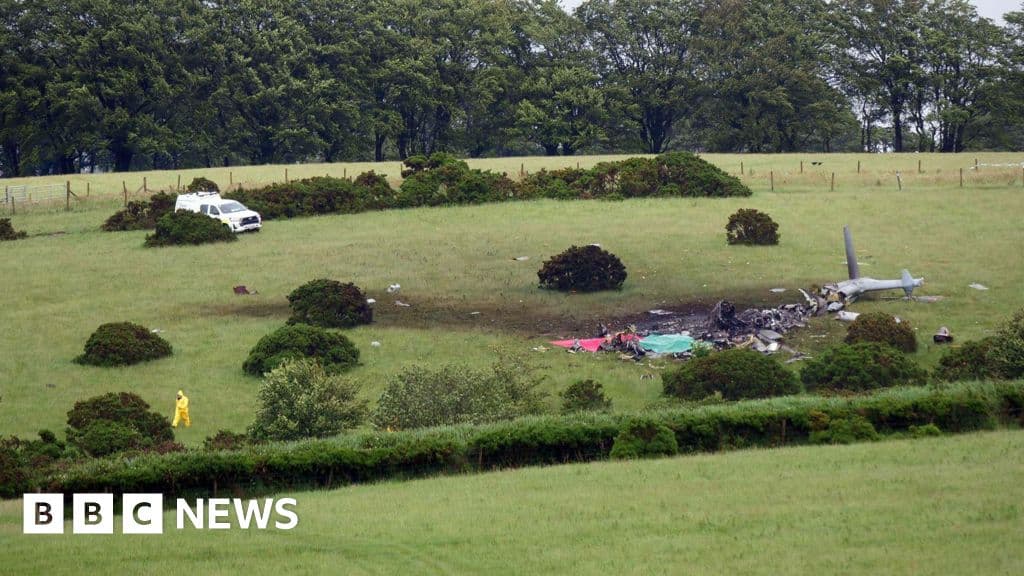
Ongoing investigations into the Royal Navy helicopter crash that killed three personnel.

Gaza's new reconstruction framework emphasizes political control instead of urgent rebuilding efforts.

Victoria's child protection system fails vulnerable children, leading to 35 deaths.

East Africa's Ebola outbreak prompts urgent vaccine research.
See every story in News — including breaking news and analysis.