
Nigeria’s second-chance schools: women balancing study and survival
Meet Habiba Abubakar: a mother in Nigeria returning to school to support her children.
Al Jazeera English1 min read
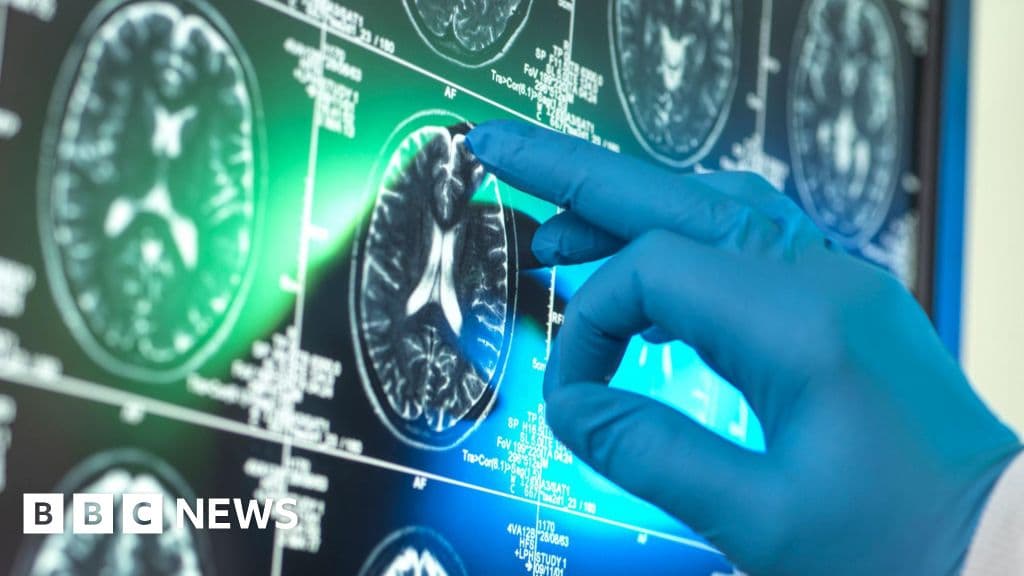
A new analysis suggests that 'breakthrough' Alzheimer's drugs may not significantly benefit patients, with effects deemed insufficient for improving their lives. The report has sparked controversy among scientists regarding its validity.
Influential analysis has concluded that "breakthrough" Alzheimer's drugs are unlikely to benefit patients.
Researchers said the impact was "well below" what was needed to make a difference to dementia patients' lives.
However, their report has also provoked a vicious backlash from equally esteemed scientists who label it as fundamentally flawed.
At the moment the NHS won't pay for these drugs and an 18-month course would set you back a hefty £90,000 privately. They would be unaffordable for most so even if you had the money, are they worth paying for?
The drugs attack a sticky gunk – called beta amyloid – that builds up in the spaces between brain cells in Alzheimer's disease.
Antibodies – similar to those the body makes to attack viruses or bacteria – have been engineered to spot the amyloid and clear it from the brain.
For years the approach failed, but trials of two recent drugs called donanemab and lecanemab showed they could slow the pace of cognitive decline.
This was a landmark moment as it was the first time any drug had slowed the destruction of the brain in Alzheimer's disease.
The Cochrane Collaboration, which rigorously and independently analyses medical data, looked at 17 studies, involving 20,342 volunteers, of drugs that remove amyloid from the brain.
Overall, they concluded the approach does slow Alzheimer's disease, but not by enough to make a meaningful difference to patients.
At the same time the medicines came with a risk of brain swelling and bleeding. They also need to be given every two-to-four weeks and at a high cost.
One of the report's authors Prof Edo Richard, a professor of neurology at Radboud University Medical Centre in the Netherlands, sees dementia patients in his clinic.
I asked him what he would say to his patients.
He said: "I would tell them, I think you will probably not benefit from these drugs and they're burdensome for you and your family.
"I think it's extremely important that we're honest to our patients about what they can expect, I'm always wary to avoid giving people false hope."
He said other methods for treating Alzheimer's disease – such as targeting inflammation in the brain - now needed to be explored.
The report's findings have been backed by longstanding critics of the drugs.
Prof Robert Howard, at University College London (UCL), said it was "unfortunate and unfair" to families affected by dementia that these drugs have been hyped in a way that is "not supported by robust science and that will have raised false hopes".
However, the way the analysis has been conducted has provoked heated debate.
The research team says all the drugs they reviewed remove amyloid from the brain so their analysis tells you if that approach works.
However, other experts say differences in the way each drug works are important and it's unfair to group older experimental drugs with newer ones proven to work.
The analysis concluded that 'breakthrough' Alzheimer's drugs are unlikely to provide meaningful benefits to patients.
Currently, the NHS does not cover these Alzheimer's drugs due to their high cost and the analysis suggesting they may not significantly improve patient outcomes.
An 18-month course of these Alzheimer's drugs would cost approximately £90,000 if paid for privately.
The drugs aim to attack beta amyloid, a sticky substance that accumulates between brain cells in Alzheimer's disease.
Meet Habiba Abubakar: a mother in Nigeria returning to school to support her children.

Silicon Valley's influence was evident in California's primary election, with significant funding leading to key victories in smaller races. Despite a loss for their gubernatorial candidate, the tech industry saw success with other favored candidates advancing.

Seattle is moving to ban new datacenters for a year amid utility and environmental concerns.

Japan is experiencing a shortage of plastic bags, trays, and gloves due to a worsening naphtha shortage linked to the Iran war. The food sector, a major consumer of plastic, is particularly affected, prompting some businesses to incentivize customers to bring their own containers.
A woman's journey through unexpected hair loss during chemotherapy highlights emotional struggles.
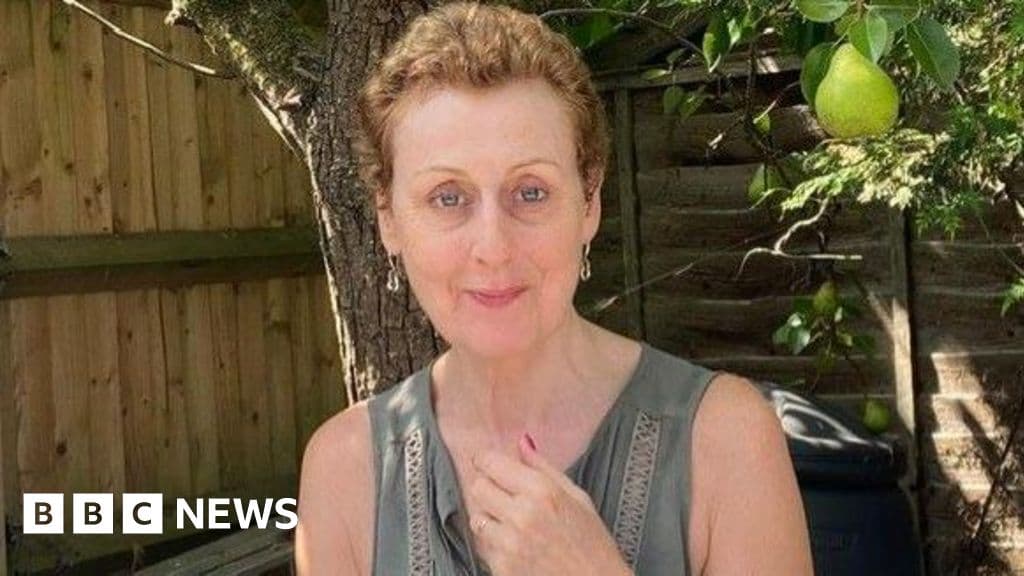
Breakthrough ovarian cancer drug now available on NHS, improving lives and extending time for patients.
See every story in News — including breaking news and analysis.
Prof Bart De Strooper, from the UK Dementia Research Institute at UCL, said the review "does not clarify the evidence, it blurs it" and added that "the flaw in this review is fundamental".
"Many early programmes failed, but newer antibodies have delivered modest yet real clinical benefit," he said.
Dr Richard Oakley, from the Alzheimer's Society, said: "It's essential that we interpret this review with nuance and avoid taking a sledgehammer to decades of pioneering scientific study."
At the moment the only way to get these drugs in the UK is by paying for them privately, which puts them out of reach of most people.
The National Institute of Health and Care Excellence – which decides on the drugs the NHS will pay for – has rejected them in the past, but is reviewing the evidence again to account for the burden placed on unpaid carers.