
Middle East peace talks in doubt as Iran says it needs to ‘reassess’ after overnight strikes
Iran considers pulling out of peace talks after US airstrikes escalate conflict.
The Guardian World1 min read

A parliamentary report reveals that the UK's stem cell transplant system may endanger blood cancer patients due to inadequate infrastructure and planning. Currently, only 24% of transplants utilize UK donors, falling short of the recommended 45%.
The UK’s stem cell transplant system is potentially putting the lives of blood cancer patients at risk as a result of inadequate infrastructure and a lack of long-term planning, a parliamentary report has found.
A hematopoietic stem cell transplant, often referred to as a bone marrow transplant, is a medical procedure in which stem cells from a healthy donor are transplanted into a patient.
It can be a life-saving treatment for serious diseases such as blood cancer, blood disorders and some auto-immune conditions. About 4,000 stem cell transplants are performed in the UK each year.
The report, by the all-party parliamentary group on ethnicity transplantation and transfusion, found that the UK’s stem cell transplant system was not fit for purpose, with the system “no longer resilient, sustainable nor equitable” or meeting patients’ needs.
Among the problems was the fact that in 2024-25, only 24% of stem cell transplants in the UK used a UK donor. This is an issue because, according to the UK Stem Cell Strategic Forum expert group, the UK should have a supply of 45% of UK donors. Stem cell donations from overseas cost more than those from UK donors, while also introducing supply chain risks.
The review also found that people from minority-ethnic backgrounds who needed a stem cell transplant faced significant health inequalities.
People from minority backgrounds have only a 37% chance of getting a well-matched donor compared with 72% of white patients from a northern European background.
Bell Ribeiro-Addy, Labour MP for Clapham and Brixton Hill and chair of the APPG, said: “This report raises urgent questions about whether the UK’s stem cell transplant system is truly fit for the future.
“Patients with blood cancer and other life-threatening conditions depend on a system that is resilient, properly coordinated and equitable – yet our findings show serious gaps in accountability, planning and fairness.
“The inequalities facing minority ethnic and mixed heritage patients are especially alarming. Too many patients are still unable to find a matching donor, and shockingly, we do not even have complete data on how many people are missing out on potentially life-saving transplants.”
Another problem the report identified was that, unlike with blood and organ donations, there was no single organisation with responsibility for stem cell donations, meaning policy change was often slower and more scattered.
The APPG has recommended that the government launches a review into the UK’s stem cell system to address the issues.
Caitlin Farrow, director of strategy and influencing at the charity Anthony Nolan, said: “This report speaks to the inequity in access to unrelated stem cell donors for people from a minority ethnic background, an issue we are also deeply committed to raising awareness of and working to address.
“We know that addressing inequity of access and outcomes for minority ethnic patients requires a combination of strategies. We are also therefore pleased to see the APPG’s recognition of the importance of supporting the growth of registries in under-represented parts of the world.”
The report found that the UK's stem cell transplant system is inadequate, lacking resilience, sustainability, and equity, potentially risking patients' lives.
Approximately 4,000 stem cell transplants are performed annually in the UK.
In 2024-25, only 24% of stem cell transplants in the UK utilized UK donors, which is significantly below the recommended 45%.
Relying on overseas donations is concerning because it costs more and introduces supply chain risks, impacting the availability of transplants.
Iran considers pulling out of peace talks after US airstrikes escalate conflict.

Kashmiri rights activist Khurram Parvez wins bail but stays jailed

Graham Platner, endorsed by Stephen King, won the Democratic nomination for the US Senate in Maine, but faces significant protest votes due to past scandals. Nearly 20% of votes may go to rival Janet Mills, who withdrew from the race.

BBC cancels Doctor Who Christmas special, raising concerns for fans

New research shows children's enjoyment of reading has increased for the first time in five years.
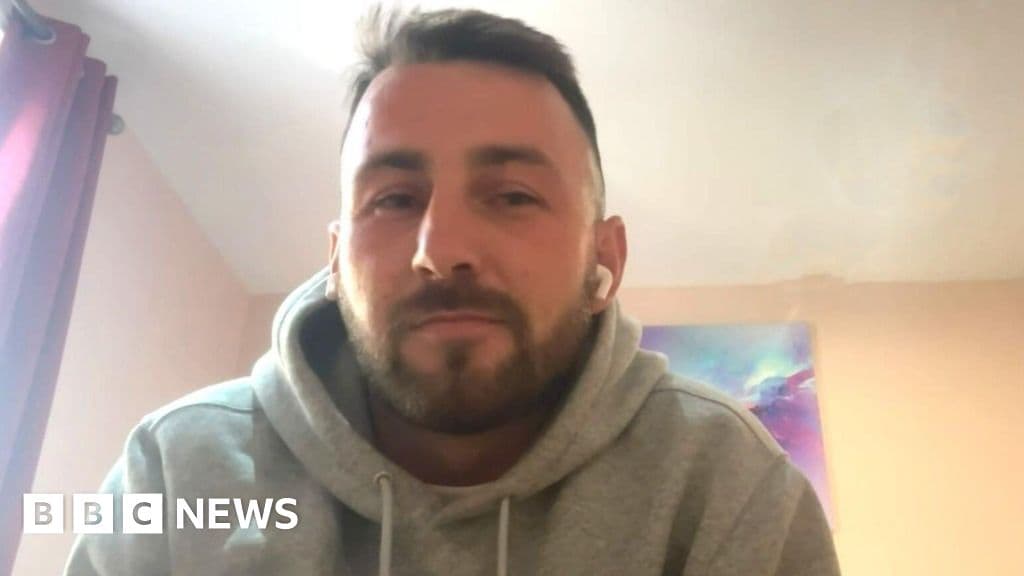
Scotland fan finds out his US visa is revoked just before World Cup flight!
See every story in News — including breaking news and analysis.
Orin Lewis, chair of the African Caribbean Leukaemia Trust, said: “The findings of the APPG report confirm what ACLT and the communities we serve have experienced for many years: too many black, ethnic minority and mixed heritage blood cancer patients continue to face unacceptable inequalities in accessing potentially life-saving stem cell transplants.”
While progress has been made, campaigners say patients from minority backgrounds are still significantly less likely to find a suitably matched donor, with devastating consequences for individuals and families.
The Department of Health and Social Care have been approached for comment.