
Burnham ally to unveil ambitious plan to reverse decades of privatisation
Andy Burnham reveals ambitious plan to reverse decades of privatisation.
The Guardian World1 min read

UK climate activists are concerned that delays in their trials may strip them of the right to a jury trial, which typically favors acquittals. Proposed government changes could limit defendants' options for trial venues, impacting those charged under the Public Order Act.
Mentioned in this story
Climate activists fear that delays to their cases may mean they lose the right to a trial before jurors, who are typically more likely to acquit them than a judge.
Scores of defendants facing trials for protests as long ago as 2021 have had proceedings repeatedly postponed and worry that by the time their cases are heard, government changes limiting the right to jury trial may be in force.
Juries have an absolute right to acquit based on their conscience. The government has proposed removing the right of defendants accused of so-called either-way offences to elect whether they are tried in a crown court before their peers or in a magistrates court.
Among those who fear they could be affected are dozens of people charged under the Public Order Act with “interference with key national infrastructure” in relation to Just Stop Oil slow march protests in 2023.
One of these, Adem Ay, 45, from Hackney Wick in east London, who is facing a trial in July next year, said: “I feel like speaking to people [jurors], who can essentially do a smell test of whether this is fair or not, is my only hope because there are so many restrictions happening with how much we can talk about our motivations, how much we can talk about climate change. A number of juries have found protesters innocent when there have been no legal defences available.”
The jury trial changes, which will apply retrospectively to cases already in the system, are anticipated to take effect in 2028. Having already had their cases postponed, defendants are concerned there could be further delays that mean the changes affect them.
Ay, who is representing himself, said he had argued at Southwark crown court against delay, citing the possible loss of the right to a jury trial. He claimed the judge was sympathetic and said “she was surprised more people weren’t out on the streets protesting”.
Dawn Gordon, 22, from Belfast, who is also facing trial in the middle of next year in relation to the slow marches, said: “With a jury trial, it could be that people say actually this was justified because this year we’re going to have heatwaves, it might be the hottest year on record again, and next we’ve got the super El Niño, and if I had my jury trial next year then people would have felt that.”
Under the changes, even if magistrates decided that a case should be tried in the crown court, it would be heard without a jury unless the court considered that the defendant was likely to receive a sentence of more than three years on conviction.
This could affect Ludi Simpson, 73, from Bradford, who is due to be tried in the spring next year for alleged criminal damage for throwing soup over a sunflowers painting by Vincent van Gogh in 2024, an hour after two other people were jailed for a similar protest action in 2022.
The government has proposed removing the right for defendants accused of either-way offences to choose between a crown court trial with a jury or a magistrates court.
Delays in trials could result in activists losing their right to a jury trial, which may lead to harsher outcomes compared to being tried by a judge.
The Public Order Act addresses offenses related to public protests, and many climate activists have been charged under it for actions like the Just Stop Oil slow march protests.
Adem Ay, a 45-year-old from Hackney Wick, is facing a trial in July 2024 and fears that changes to the legal system may impact his ability to present his case to a jury.
Andy Burnham reveals ambitious plan to reverse decades of privatisation.

A former Iranian negotiator revealed alleged secret letters from the supreme leader, claiming the negotiating team exceeded its mandate. His statements led to calls for legal action and sparked tensions within the government.

Therapy ferrets at UK’s largest children’s prison used to kill rats, raising welfare concerns.

Dutch PM Rob Jetten offers apology for mistreatment of Moluccan soldiers after Indonesian independence.

France takes on Iraq in a pivotal World Cup match on Monday at 5pm in Philadelphia.
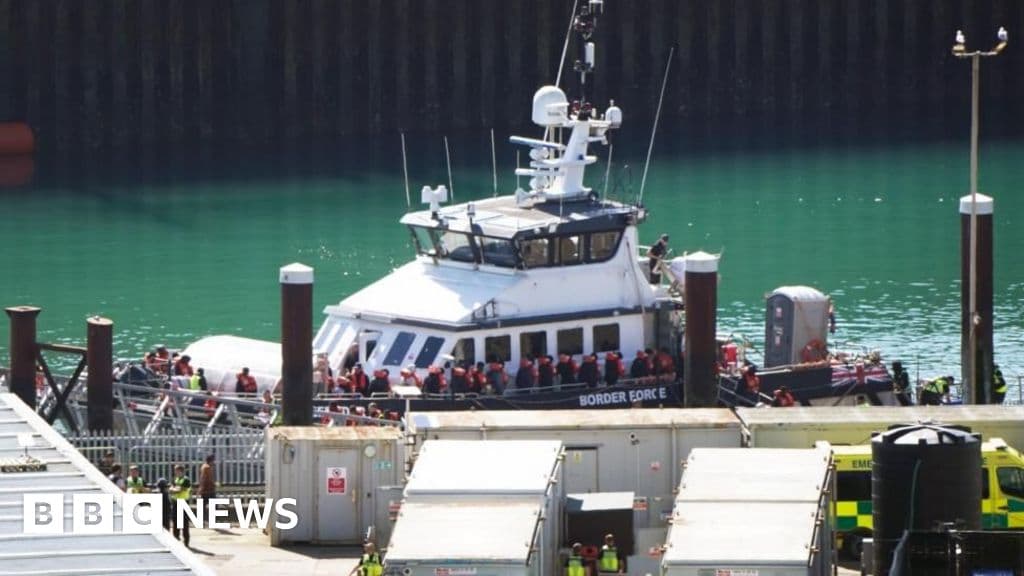
Manslaughter arrest after woman dies on small boat crossing to the UK
See every story in News — including breaking news and analysis.
“Judges are not your peers as juries are,” Simpson said. “The judge will have no sympathy for the reason, the context, the situation in the world.”
Amy Pritchard, 41, from London, is facing two trials next year for alleged public nuisance in relation to Insulate Britain protests in 2021. “It’s been hanging over me for a long time,” she said. “In a context of absolute loss of faith in our justice system and government, the bit of democratic power that people have to intervene in the justice system is [being] taken away.”
A Just Stop Oil spokesperson said the proposed changes “will mean that Insulate Britain and Just Stop Oil supporters with outstanding trials will lose the chance to explain their actions in front of a jury. This will mean more guilty verdicts and more prison sentences for people who took action to limit climate catastrophe by standing up to the fossil fuel death cult.”
A Ministry of Justice spokesperson said of the defendants’ concerns: “This is not true – most low-level protest offences including cases from previous Just Stop Oil protests are already heard in the magistrates courts.”