
Southern Philippines hit by 7.8-magnitude earthquake
A powerful 7.8-magnitude earthquake has hit the southern Philippines, causing significant casualties and damage.
Al Jazeera English1 min read

Janet Yellen criticized Donald Trump's call for lower interest rates, likening it to actions seen in a 'banana republic.' Trump aims to reduce government borrowing costs on the $39 trillion national debt.
Mentioned in this story
The former US Federal Reserve chair Janet Yellen has attacked Donald Trump’s push for lower interest rates, comparing it to the actions of a “banana republic”.
The US president has repeatedly urged the central bank to slash interest rates, in the hope of cutting the government’s borrowing costs on its $39tn (£29tn) debt.
In a post on his Truth Social platform in January, Trump wrote “we should be paying the LOWEST INTEREST RATE OF ANY COUNTRY IN THE WORLD”.
Speaking at an HSBC investor summit in Hong Kong, Yellen said: “How often does the president of a developed country express the view that the interest rate should be set to reduce the debt service cost? This is what you hear in a banana republic.”
She argued that this approach can lead to inflation getting out of control, if central banks fall under the control of politicians whose aim is to borrow more cheaply.
Yellen served as Fed chair from 2014 to 2018, and went on to be Joe Biden’s Treasury secretary, succeeded by Jerome Powell.
Powell is due to step down as Fed chair next month, though the successor chosen by Trump, Kevin Warsh, has not yet been confirmed by the Senate.
Warsh has argued that potential productivity gains from AI could justify lower interest rates. Yellen questioned whether other members of the Fed’s powerful board of governors, which votes on rates, would be won over.
Comparing Warsh with former Fed chair Alan Greenspan, she said, “[Greenspan] looked at evidence in a different way than many economists do. But I think he was very much respected for his economic expertise … And people listened to what he said very respectfully and took it seriously.” She added: “I don’t think that Warsh walks in with that level of credibility.”
Despite appointing Powell, Trump has attacked him personally, insulting him as a “moron” and accusing him of being too slow to cut interest rates.
The Fed last reduced rates in December, to 3.5%-3.75%, but policymakers have become increasingly concerned about the risks of higher inflation as a result of the war in Iran.
Finance ministers and central bankers are this week for the International Monetary Fund’s spring meetings.
Janet Yellen criticized Trump's push for lower interest rates, comparing it to the behavior of a 'banana republic' and warning of potential inflation risks.
The US national debt is approximately $39 trillion, which Trump aims to reduce borrowing costs for through lower interest rates.
Yellen warned that if central banks are influenced by politicians seeking cheaper borrowing, it could lead to uncontrolled inflation.
A powerful 7.8-magnitude earthquake has hit the southern Philippines, causing significant casualties and damage.

Zelenskyy warns UK councils against removing Ukrainian flags, stressing the need for strong ties.
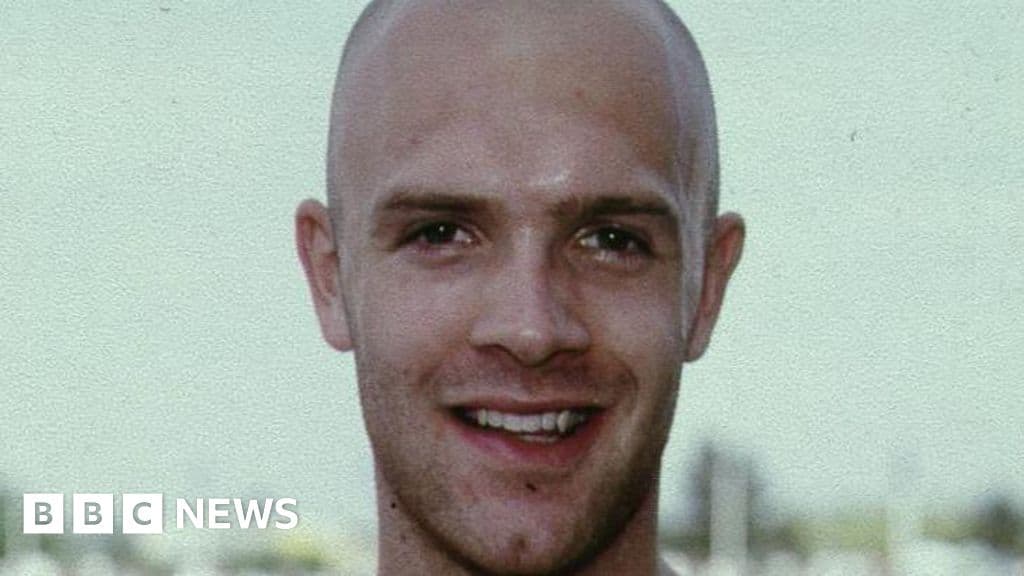
Ex-Olympian Curtis Robb's wife feared for her life amid abuse claims.

NATO jets have shot down a drone over Latvia, escalating fears of spillover from the Ukraine conflict.

US imposes new sanctions on Nicaraguan officials after Brooklyn Rivera's death in custody.

WHO chief lauds Uganda’s effective response to Ebola outbreak
See every story in News — including breaking news and analysis.
The Bank of England governor, Andrew Bailey, gave a speech in New York on Tuesday before heading to the meetings, underscoring the importance of central bank independence.
He described rising oil prices as a result of the Iran conflict as a “major supply shock”, which the Bank’s monetary policy committee would have to assess carefully. The IMF has raised the spectre of a potential global recession if the strait of Hormuz remains closed for an extended period.