
Thousands under evacuation orders in southern California as wildfire threatens homes
Thousands evacuated in southern California as wildfire threatens homes
The Guardian World1 min read

Donald Trump is seeking to end the Iran war by collaborating with Middle East allies, but a straightforward resolution remains elusive. Despite threats and incentives, peace talks between the US and Iran show little progress.
Mentioned in this story
As he seeks an exit from the Iran war, Donald Trump is increasingly outsourcing his policymaking to US allies in the Middle East, while the White House appears unable to find a simple way to end the fighting and reopen global shipping lanes held by Tehran.
In Trump’s telling, the “dealmaker-in-chief” has maintained a consistent policy toward Iran aimed at preventing Tehran from obtaining a nuclear weapon, leveling threats and incentives to reach a new deal that would also open the Strait of Hormuz.
But amid calls with Israel’s Benjamin Netanyahu and contacts with Gulf leaders, the US president has oscillated between preparing to launch a major strike on Iran and then postponing plans for the supposed attack because a deal was “within reach” – despite little indication that Tehran and Washington are any closer to making peace.
The sequence of events began on Sunday, when Netanyahu said he would speak with Trump about the Iran file, adding that Israel’s “eyes are also wide open regarding Iran”. Shortly after their call, Trump wrote on TruthSocial that the “clock is ticking” regarding Iran. “They better get moving, FAST, or there won’t be anything left of them,” he wrote. “TIME IS OF THE ESSENCE!”
Pakistani diplomats had said that talks were continuing but had given no indication that Iran and the US were close to a peace deal. The US and Iran at the time had been trading drafts of a peace deal but Trump had said publicly that he was unhappy with Iran’s proposals. “Well, I looked at it, and if I don’t like the first sentence I just throw it away,” he said during his return flight from China to the US.
Trump is known for changing his views based on the “last man in the room”, with advisers sometimes prompting major policy changes based on short conversations. A presentation by Netanyahu in the White House Situation Room in February was instrumental in convincing Trump to launch joint strikes against Iran – even despite the skepticism of some of his senior advisers, the New York Times reported.
As he wrote that the ceasefire with Iran was on “life support”, open-source analysts also noted a significant increase in US military activity in the Middle East, including the presence of dozens of KC-46 and KC-135 refueling aircraft at Tel Aviv’s Ben Gurion airport.
But with rumours on Monday swirling of an imminent strike, Trump in an extraordinary disclosure said that he had cancelled an attack on Iran in order to allow for negotiations to move forward.
To explain the sudden about-face in US policy, Trump said US allies in the Gulf – Saudi crown prince Mohammed bin Salman, UAE president Sheikh Mohamed bin Zayed, and the emir of Qatar, Sheikh Tamim bin Hamad Al Thani – requested a pause because “serious negotiations are now taking place, and that, in their opinion, as Great Leaders and Allies, a Deal will be made, which will be very acceptable to the United States of America”.
Trump is outsourcing policymaking to Middle East allies while struggling to find a clear exit strategy from the Iran war.
Trump has postponed plans for a military strike on Iran due to the belief that a peace deal may be within reach.
Israel, particularly through Prime Minister Benjamin Netanyahu, is a key ally in Trump's efforts to address the Iran situation.
The US and Iran have been exchanging drafts of a peace deal, but Trump has expressed dissatisfaction with Iran's proposals, complicating negotiations.
Thousands evacuated in southern California as wildfire threatens homes
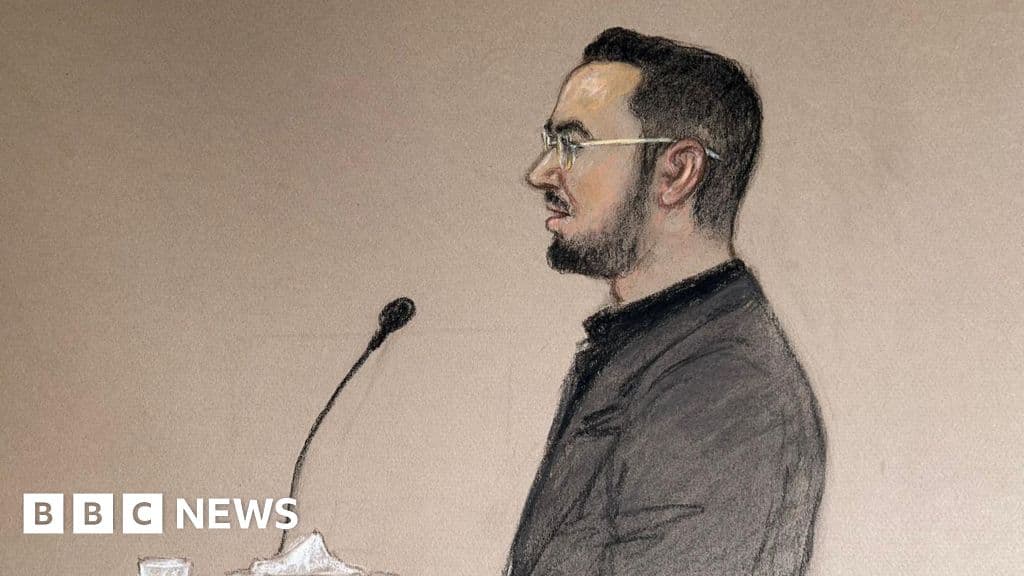
Iranian journalist describes terrifying stabbing in London by men linked to Iran

UN reports 15,850 deaths in Ukraine since Russia's invasion, including 791 children.
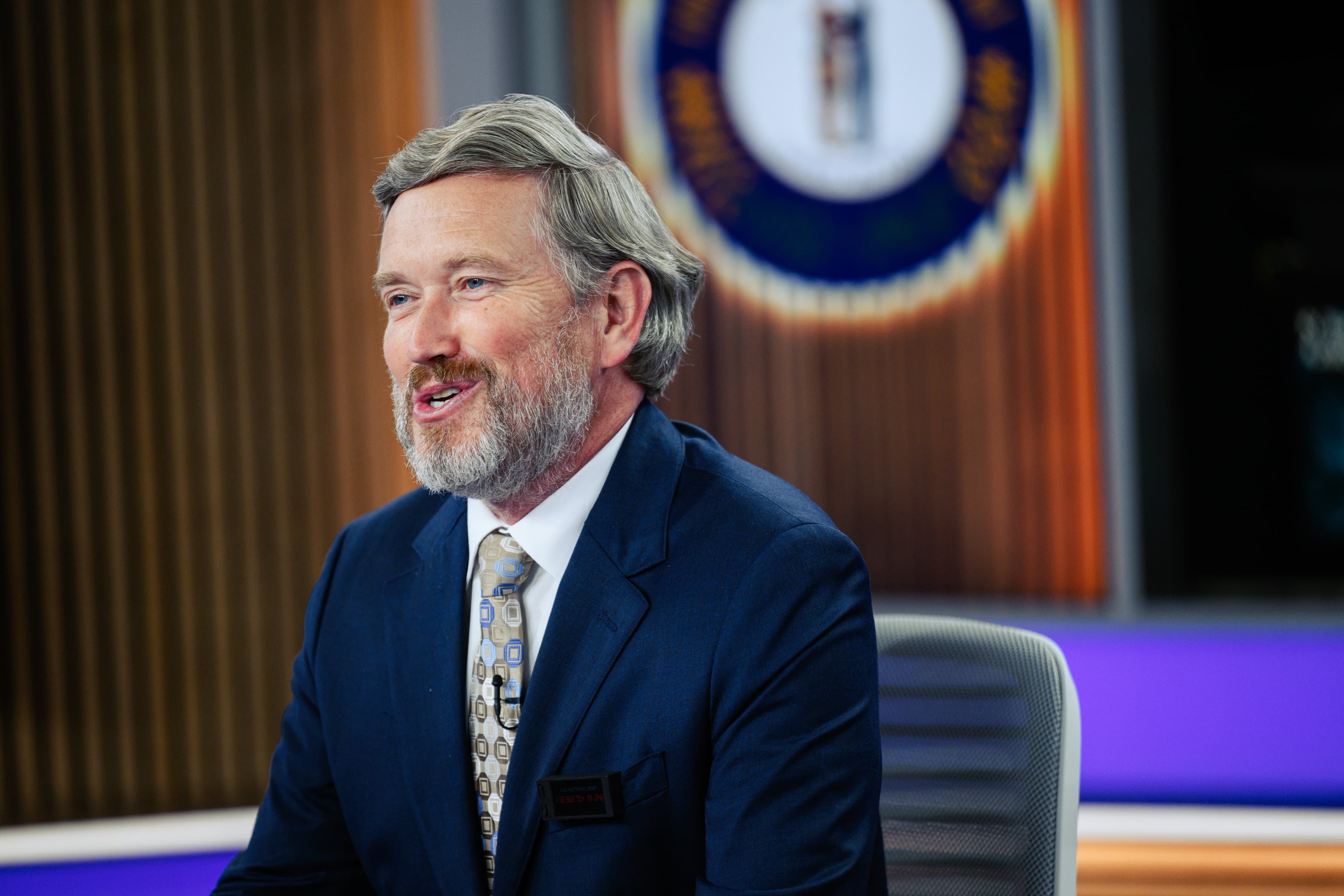
Will Rep. Thomas Massie withstand Trump's revenge tour in Kentucky?

Tragic accident: New York woman dies after falling into open manhole

Mansour Kaziha and Nader Awad identified as victims in San Diego Mosque attack.
See every story in News — including breaking news and analysis.
Iran was also ready to sacrifice its nuclear program for peace, Trump claimed, although there was little evidence from Tehran that this was true. Iran’s president Masoud Pezeshkian, a relative moderate to the hardline leadership of the Islamic Revolutionary Guard Corps (IRGC), appeared to confirm renewed talks but added that “dialogue does not mean surrender” and promised to protect the rights of the Iranian people.
The reaction to Trump’s disclosure of a planned military strike on Iran has been mixed, and there has been considerable skepticism. A headline in the Daily Beast summed that up succinctly, writing: “TACO Trump Calls Off ‘Planned Military Attack’ Nobody Knew About.” (“Taco” stands for “Trump always chickens out” – a jab at the US leader’s tendency to back down on his threats during negotiations.)
Most importantly, none of the Gulf leaders appeared to know about Trump’s plans for an imminent attack. The Wall Street Journal had reported that Gulf leaders were “unaware” of US plans to attack Iran, instead urging more time for talks in order to prevent an escalation of violence that could blow back on energy infrastructure in Qatar, the UAE, and Saudi Arabia.
Asked later, Trump kept his options open once again, saying that he had only called for a delay in the attack of several days.
“I never tell anybody when, but they knew that we were very close,” Trump told reporters on Tuesday. “I would say we were, I was an hour away from making the decision to go today.”
Trump, meanwhile, said Iran had just a few days to return to negotiations.
“Maybe Friday, Saturday, Sunday, something, maybe early next week, a limited period of time,” he said.
“We may have to give them another big hit. I’m not sure yet,” he said.