
‘Being human helps’: despite rise of AI is there still hope for Europe’s translators?
Can Human Translators Compete with AI? Insights from Yoann Gentric.
The Guardian World1 min read
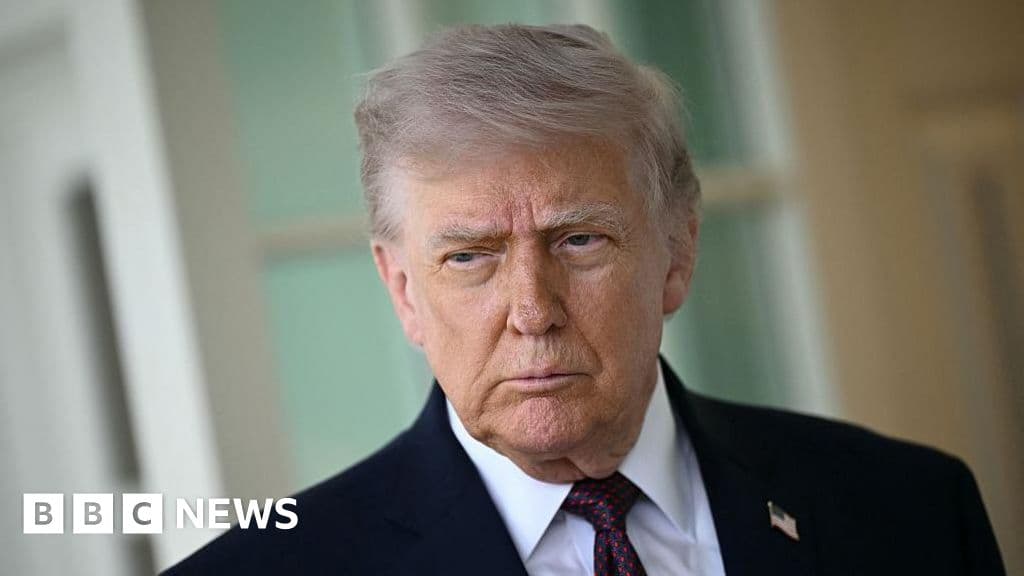
The Trump administration is processing refunds for over $160 billion in tariffs following a Supreme Court ruling. While companies can apply for refunds, individual consumers are unlikely to receive compensation for higher prices caused by these tariffs.
The Trump administration has begun processing refunds for billions of dollars in tariffs that the US Supreme Court struck down in February.
In what is to be the biggest repayment programme in history, companies can apply online for money they were charged under the so-called "Liberation Day" tariffs - plus interest - to be returned.
The US Court of International Trade in March ordered customs officials to refund the more than $160bn (£121bn) the government had collected, putting roughly 330,000 importers in a position to potentially win back some money.
But some individual consumers, who were hit by the tariffs indirectly through higher prices, are not expected to be compensated.
The refunds relate to levies charged by US President Donald Trump under the International Emergency Economic Powers Act (IEEPA).
"All importers of record whose entries were subject to IEEPA duties are entitled to the benefit" from the high court's ruling, Judge Richard Eaton wrote in March.
As of early April, more than 56,000 importers had completed the necessary steps to apply for refunds online when the portal opened, with their claims worth $127bn (£943m).
The portal, known as the Consolidated Administration and Processing of Entries (Cape), went live on Monday.
A Customs and Border Protection spokesperson said Cape had been built to "efficiently process refunds".
The system will process refunds for importers as one lump sum, rather than making businesses apply item by item.
Customs and Border Protection said successful applicants can expect refunds, as well as any applicable interest, to be paid in 60 to 90 days.
A major issue with the process has been concerns raised by individual shoppers who faced higher prices as a result of Trump's tariffs yet have no means to claim compensation themselves.
One way in which consumers could be compensated is by businesses disbursing any funds recouped from Customs and Border Protection to those affected, though few have announced plans to do so.
Individuals have begun filing class action lawsuits against companies they claim passed on the cost of Trump's tariffs, arguing that any refunds businesses are paid should be passed on to consumers.
Federal cases have been filed against Ray-Ban maker EssilorLuxottica and FedEx, while a class-action lawsuit has been filed against Costco in the US District Court for the Western District of Washington.
Costco chief executive Ron Vachris has said the retailer plans to pass on any tariff refunds to customers "through lower prices and better values".
The refunds amount to over $160 billion that was collected from tariffs imposed by the Trump administration.
Approximately 330,000 importers can apply for refunds under the program, but individual consumers are not expected to be compensated.
The 'Liberation Day' tariffs refer to levies charged under the International Emergency Economic Powers Act (IEEPA) by former President Donald Trump.
The US Supreme Court struck down the tariffs in February, prompting the refund process to begin.
Can Human Translators Compete with AI? Insights from Yoann Gentric.

New study uncovers identity of enslaved boy in Reynolds' 1748 portrait
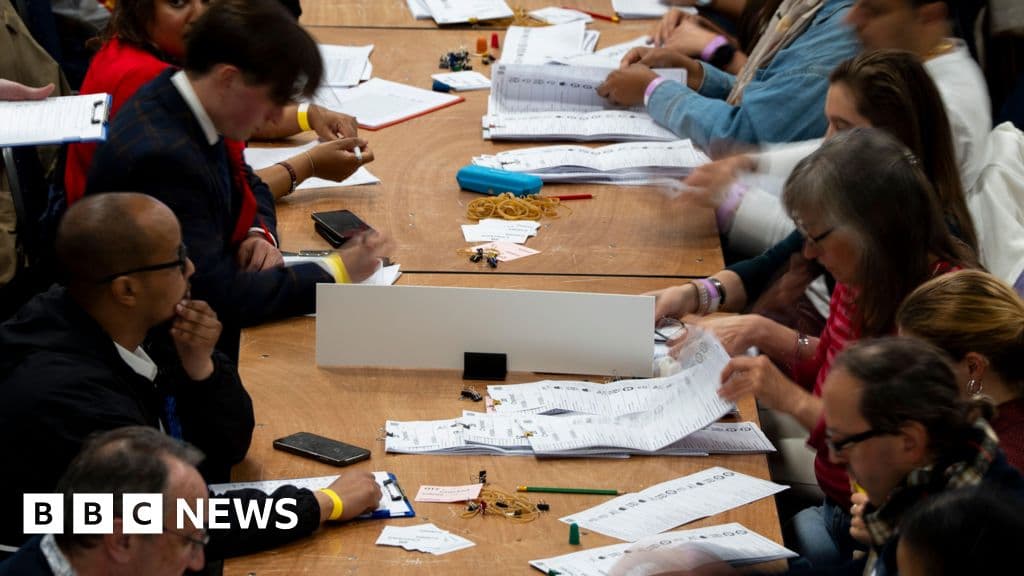
Reform UK gains in early council elections; full results coming soon.

Water flows to NSW wetlands could restart soon as drought fears rise.

Communications Minister Anika Wells repays over $10,000 for incorrect travel claims amid controversy.

Labour suffers major losses in local elections while Reform UK makes significant gains.
See every story in News — including breaking news and analysis.
The BBC spoke to lamp-maker Sue Johnson earlier this month, who said Trump's tariffs prompted her supplier to double the cost of a key material used in her designs.
She expects no relief from the refund process.
"Maybe they'll get repaid, but I have no hope they're going to refund me," she said.
The issue is complicated by the fact that while many importers raised their prices, they often did not do so by enough to fully offset the cost of the tariffs.
The tariffs also often triggered other kinds of costs, forcing businesses to take on debt to pay for the duties and leading to harder-to-quantify hits like lost sales.
Officials from the Trump administration have made it clear they do not expect consumers to benefit directly from the refunds.
US Trade Representative Jamieson Greer last month urged companies that score a refund "windfall" to give it to workers in the form of bonuses. In February, Treasury Secretary Scott Bessent, suggested it was unlikely consumers would benefit.
"I got a feeling the American people won't see it," he said.