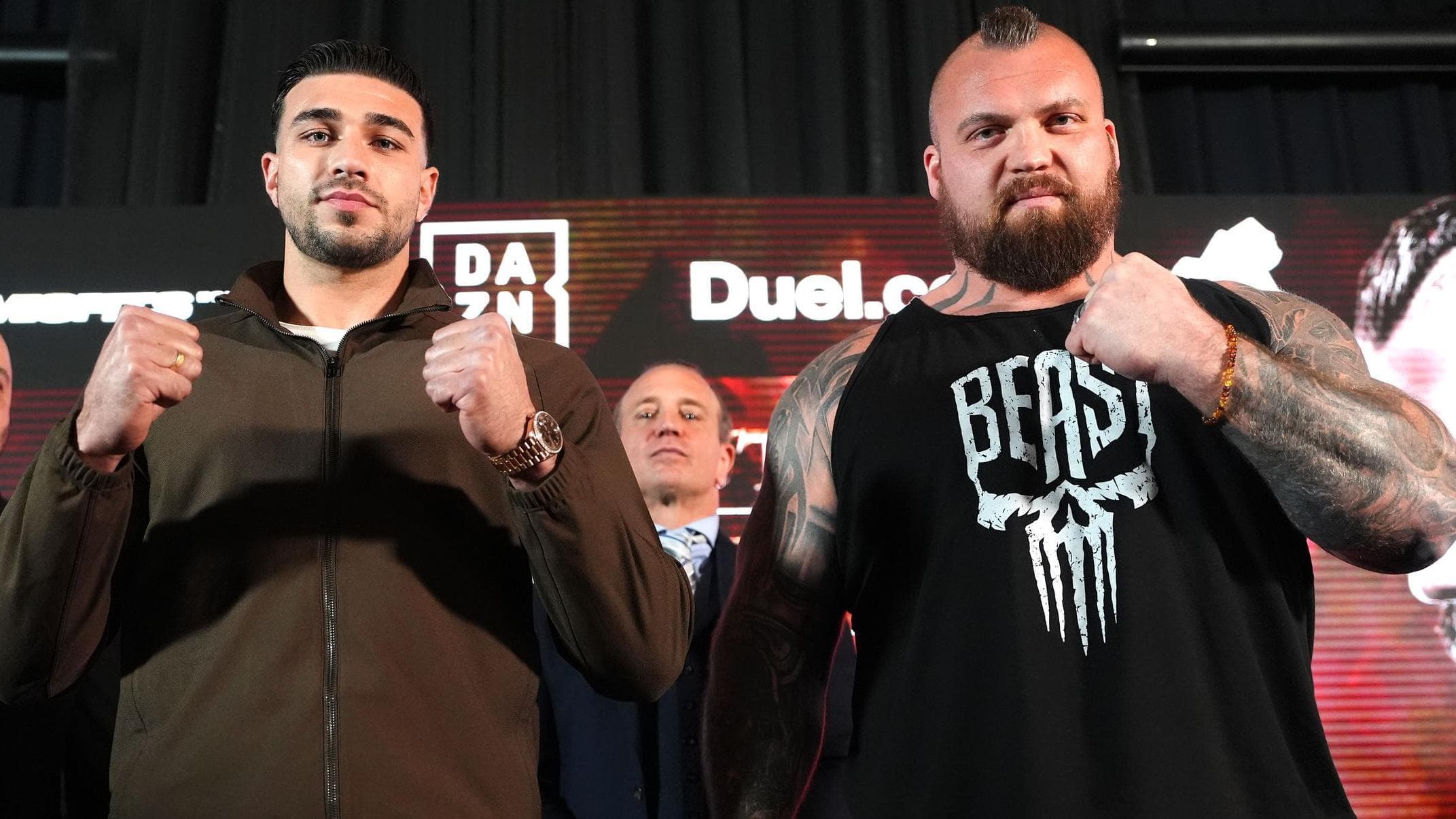
Tommy Fury against strongman Hall is boxing's latest surreal bout
Tommy Fury faces Eddie Hall in a surreal boxing match this Saturday!
BBC News1 min read

Keir Starmer provided a detailed timeline regarding Peter Mandelson's security vetting refusal and the communication failures with No 10. His statement highlighted key events from December 2024 to the recent revelation of the vetting issue.
Mentioned in this story
Keir Starmer has laid out a detailed timeline of events leading up to Peter Mandelson being refused security vetting and how the message was not passed to No 10. Here’s what his statement did tell us – and what it was more vague on.
double quotation markI will now set out a full timeline of the events in the Peter Mandelson process.”
In a statement that leaned heavily on Starmer’s time as a lawyer, and was framed almost as a prosecution opening case against the Foreign Office and its now-ousted head civil servant, Olly Robbins, the PM set out events from 18 December 2024, when the decision to appoint Mandelson was confirmed, to last Tuesday, when he finally learned that security vetting had been initially refused.
This included moments when, Starmer argued, he or others should have been told about Mandelson initially being refused security vetting: the initial refusal; when the foreign affairs select committee was assured that normal procedures were followed; and when Starmer began a wider review into vetting this year.
double quotation markOn January 28 2025, UKSV [United Kingdom Security Vetting] recommended to the Foreign Office that developed vetting clearance should be denied to Peter Mandelson. The following day … Foreign Office officials made the decision to grant developed vetting clearance.”
This is a small but vital part of the chronology – it took a maximum of a day for officials to decide they should overrule the vetting concerns.
Those around Starmer may point to this as an example of a Foreign Office certain of their own judgment. But others may see the haste as officials doing their best to smooth over any troubles in appointing a man that Downing Street had already announced as their choice to be the UK’s main Donald Trump whisperer.
double quotation markNow an appointment cannot be announced until after security vetting is passed.”
Starmer’s statement contained some new information. The Foreign Office’s ability to overrule vetting decisions has been removed.
In parallel, while Mandelson was announced in the job before vetting had even begun, which Starmer said was standard procedure at the time, from now on vetting will be done first.
Keir Starmer outlined a timeline showing that Peter Mandelson's security vetting was refused and that this information was not communicated to No 10.
The decision to appoint Peter Mandelson was confirmed on December 18, 2024.
Olly Robbins was the head civil servant at the Foreign Office during the events surrounding Peter Mandelson's security vetting refusal.
Starmer's statement served as a critical examination of the Foreign Office's handling of Mandelson's vetting process and aimed to hold officials accountable.
Tommy Fury faces Eddie Hall in a surreal boxing match this Saturday!

Northern Ireland riots escalate as police fire plastic bullets

A pregnant care worker in Scotland fears being separated from her unborn child after her family received 'go home' letters.

Discover serene Buddhist masterpieces at the National Museum of Korea.
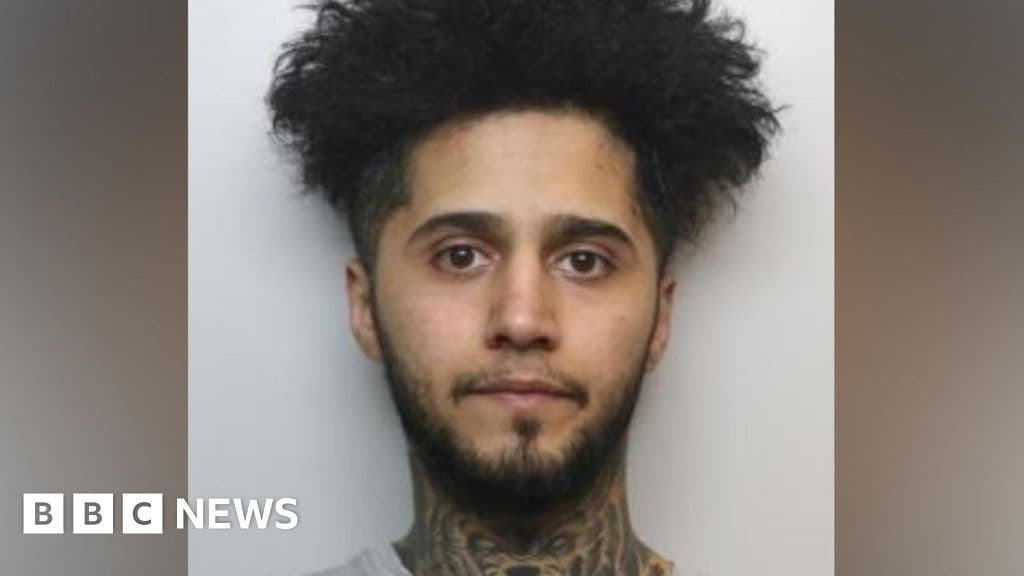
Bawan Harwe sentenced to 29 years for trafficking and abusing girls aged 12-16.

Arwa Elrayess, Oxford Union's first Palestinian president, stands firm amid no-confidence vote.
See every story in News — including breaking news and analysis.
He also announced that an inquiry had begun into whether any security breaches had come from Mandelson’s time in the role, given the vetting decision.
double quotation markHe [Robbins] should have provided this information to me, and he could have provided it to me.”
Through much of his statement, Starmer blamed the Foreign Office as an entity and it was not clear who individually he blamed for making the decision over the vetting and the fact this was kept from him.
In fairness, the decision last Thursday to remove Robbins gave a clue, and Starmer later made this explicit. Saying he was limited in what he could set out because Robbins is giving evidence to a Commons committee on Tuesday, the PM said Robbins had told him “that he couldn’t provide this information to me, because he wasn’t allowed to provide information to me”.
double quotation markNo I did not mislead the House of Commons.”
Kemi Badenoch, the Tory leader, was among those who tried to engage Starmer on whether he misled parliament, even inadvertently, in previously assuring MPs that all normal procedures were followed with the Mandelson appointment.
This is potentially very serious – a deliberate misleading of the Commons is seen as grounds for resignation. Starmer can make a case for any wrong information not being his fault, and Downing Street had indicated that this was the case.
But in his initial statement and subsequent answers, the PM was no more explicit than saying that the Commons did not have all the information it should have had.
But in response to a direct question from Tory MP John Lamont, he insisted not – others may disagree.
double quotation markThe information that was dealt with in the security vetting process has not been made available to me, nor can that detail be made available to me. It’s the recommendation that should have been made available to me.”
Questioned about whether he knew one particular detail about Mandelson’s business links, Starmer made it clear that this was the sort of detail he not only did not know about the vetting, but never would.
This might sound to outsiders somewhat unlikely – that a prime minister would not know precisely why his choice for an ambassadorship might be seen as a risk – but it does tie in with rules about vetting. The type of vetting carried out on Mandelson is intense, detailed and hugely personal, and knowledge of specifics is kept only to those who need to know.
double quotation markDid Morgan McSweeney or any of your advisers, past or present, know about this issue before last Thursday?”
“No.”
In an exchange with the Conservative MP Louie French, Starmer insisted that his staff were not told about the vetting – a definition that excludes Cat Little, the chief civil servant to the Cabinet Office, and Antonia Romeo, the cabinet secretary, both of whom found out in March.
Such a definitive denial places Starmer at serious risk if something emerges to contradict it.