
World celebrates, but Gaza watches the World Cup from a distance
As the world celebrates the World Cup, Gaza's players face a harsh reality.
Al Jazeera English1 min read

Over 3,000 Malawians have fled to an open field in Durban, South Africa, due to rising xenophobic threats and attacks. Many are seeking repatriation as armed groups demand foreigners leave by June 30.
Mentioned in this story
More than 3,000 Malawians, including hundreds of children, are staying in an open field in South Africa’s port city of Durban, after fleeing what they described as escalating anti-immigrant threats and attacks.
For weeks, groups armed with sticks, whips and shields have marched through parts of the country demanding that foreigners with no papers leave by June 30.
At the park, which transformed into a makeshift transit camp in Durban on Wednesday, many people said repatriation was their only safe option.
“It’s hard to stay here,” Falesi Chukuwumba, a Malawian national, told Al Jazeera. “You can see we are outside. How can we stay in this cold? Our children can get sick.”
Sayiba John, 33, a Malawian who fled Nazareth township with her husband and three children, told the AFP news agency her daughter, a Grade 2 pupil, was forced to abandon her exams.
“They said we must go. We have no choice in the matter,” John said. “It’s better our government take us away from here than to face the anger of the South Africans.”
Ellen Mwamulima, a 45-year-old widow, mother of three and former domestic worker in Mossel Bay in the Western Cape, fled a mob who nearly caught up with her and had to hide out in the bush for two weeks.
“It’s been very difficult because we lost everything, they burnt our houses and all our belongings,” the Malawian told Al Jazeera.
The anti-migrant marches have been backed by the MK Party, led by former President Jacob Zuma, which commands strong support across KwaZulu-Natal province.
When the party called on supporters to march against undocumented migrants, thousands responded. Demonstrators accuse foreign nationals of taking jobs and economic opportunities from South Africans.
“There are undocumented foreigners working everywhere in our business field,” Mythobisi Sabelo, one of the protesters, told Al Jazeera in Durban. “People here have been trying to find work for a long time and given up. It’s becoming an issue.”
But while demonstrators blame foreigners for South Africa’s economic and social issues, others argue that foreigners, particularly those from elsewhere in Africa, are being wrongly blamed.
The violence has spread well beyond KwaZulu-Natal. Five Mozambicans have been killed in Mossel Bay. More than 150 Malawians were bussed out of the Western Cape province over the weekend.
Ghana, Zimbabwe and Mozambique have repatriated hundreds of nationals this month, and a flight carrying the first group of Nigerians is due to depart Johannesburg.
Malawians are fleeing due to escalating anti-immigrant threats and attacks from armed groups demanding foreigners leave the country.
More than 3,000 Malawians, including hundreds of children, are currently displaced in Durban.
The armed groups have set a deadline of June 30 for foreigners without papers to leave South Africa.
As the world celebrates the World Cup, Gaza's players face a harsh reality.
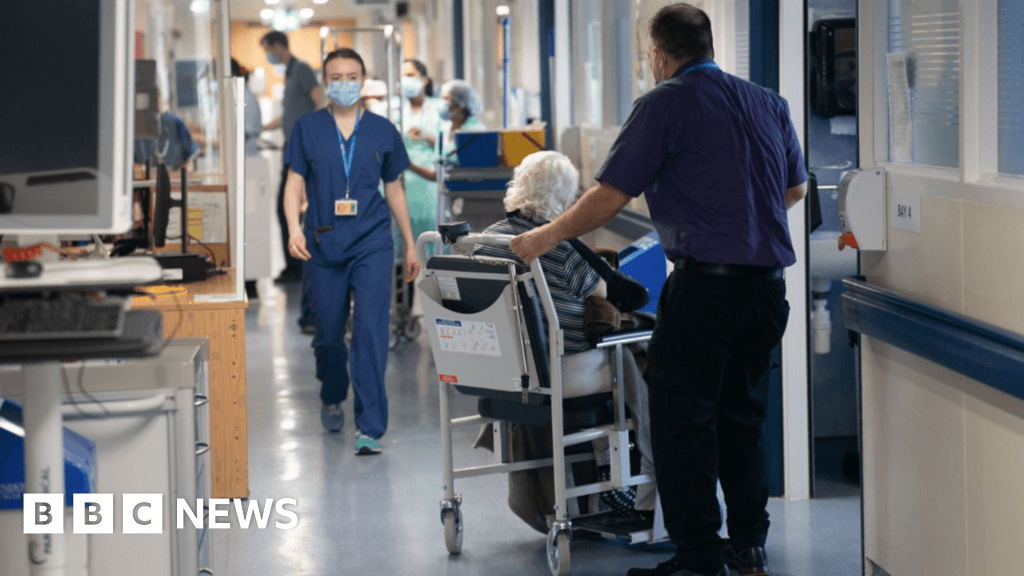
Nearly 3,000 patients daily in England face corridor care in NHS hospitals.

Jingye Steel pursues compensation from UK for British Steel nationalization

World Cup 2026 kicks off on June 11 with two matches in Mexico!

SpaceX is set to launch an IPO that could raise $75 billion, breaking records in the process.

Trump's choice for intel chief Bill Pulte could disrupt U.S. spy powers.
See every story in News — including breaking news and analysis.
About 150 additional migrants from Burundi, Ethiopia and Zimbabwe are sheltering at a government office not far from the Durban park.
South Africa has faced recurring waves of xenophobic violence since 2008, when dozens of migrants were killed and thousands displaced. Some three million foreigners – about 5 percent of the population, more than 63 percent of them from within the Southern African Development Community (SADC) bloc – live in the country.
The latest flare-up comes as political parties campaign ahead of local government elections in November.