
Nigeria’s second-chance schools: women balancing study and survival
Meet Habiba Abubakar: a mother in Nigeria returning to school to support her children.
Al Jazeera English1 min read
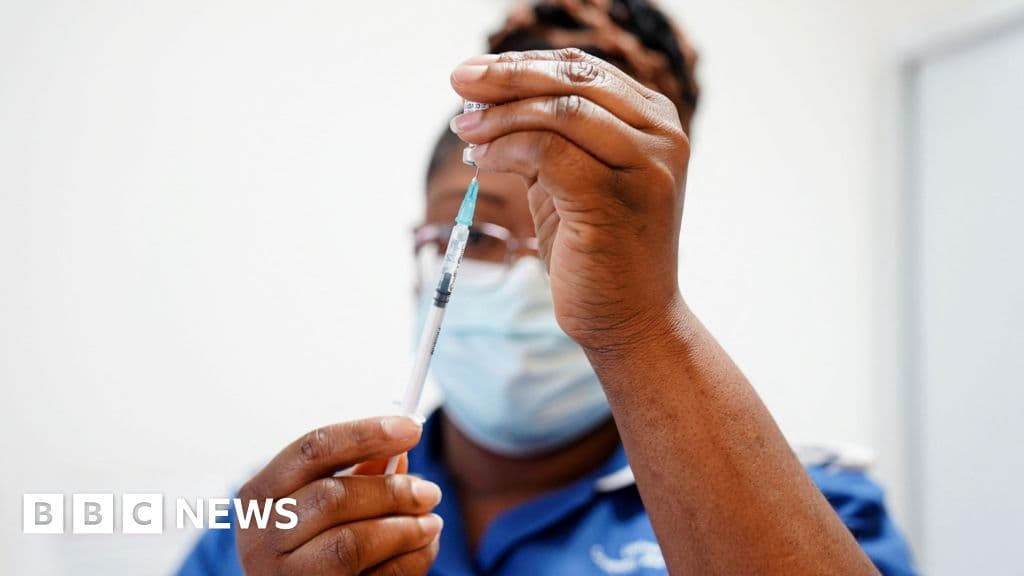
The UK Covid vaccine rollout was deemed an 'extraordinary feat' by the Covid inquiry, with 132 million doses administered in 2021. The report highlights the need to address vaccine hesitancy and improve compensation for those harmed by the vaccines.
The rollout of Covid vaccines – the largest immunisation programme in UK history - was an "extraordinary feat", the Covid inquiry says.
Jabs were developed and deployed quickly – 132 million were given in 2021 - which was one of the key successes of the pandemic, along with the speed at which the UK discovered which treatments worked best against the virus.
The positive headlines contrast with the first three reports that were highly critical of the government's pandemic planning, decision-making and management of the NHS.
But the report says more needs to be done to address vaccine hesitancy and those harmed by the Covid jabs needed easier access to bigger payouts.
Inquiry chair Baroness Hallett praised the vaccine programme, pointing to research which suggested it saved more than 475,000 lives after more than 90% of people aged over 12 came forward for a jab.
She said this was one of two great success stories of the pandemic - the other being the use of a cheap and a readily-available steroid drug called dexamethasone to prevent fatal lung damage.
But she said while most people took up the offer of vaccination, there was lower uptake within communities in areas of higher deprivation and in some ethnic minority communities.
"Governments and health services must work with communities to rebuild trust and promote a better understanding of, and confidence in, vaccines," she said.
Spread of false information online and lack of trust in authority, combined with how quickly the vaccines had been developed, were contributory factors, says the report.
Communication about benefits and risks must be better in the future, it says.
Uptake of childhood vaccinations that had nothing to do with Covid has fallen since the pandemic - a lasting legacy.
Hallett also called for better support for those who had been harmed by the Covid vaccines. She said while this was a minority, the way they are supported needed urgent reform.
More than 20,000 people who have made Covid-related claims to the Vaccine Damage Payment Scheme, a form of financial support paid by the government, but only about 1% have resulted in one-off tax-free awards of £120,000.
The current system, in which those affected must show they have been at least "60% disabled", does not work effectively for Covid vaccines, says the report.
The payout has been capped at £120,000 since 2007 and must rise "at least in line with inflation" with new levels put in place based on the level of injury suffered.
Kerry Clarkson, 49, is one of those who has struggled to get a payout. She was admitted to hospital in April 2021, weeks after being given the Oxford AstraZeneca jab.
She was treated for a rare type of blood clot linked to the vaccine and said she still suffers from health problems, including damaged lungs, joint pain and nerve damage. She can no longer work full time.
The Covid inquiry report described the vaccine rollout as an 'extraordinary feat' and highlighted its success in administering 132 million doses in 2021.
Research cited in the report suggests that the Covid vaccine program saved more than 475,000 lives in the UK.
The inquiry report stated that more needs to be done to address vaccine hesitancy among the population.
The report indicated that individuals harmed by the Covid vaccines should have easier access to larger payouts.
Meet Habiba Abubakar: a mother in Nigeria returning to school to support her children.

Silicon Valley's influence was evident in California's primary election, with significant funding leading to key victories in smaller races. Despite a loss for their gubernatorial candidate, the tech industry saw success with other favored candidates advancing.

Seattle is moving to ban new datacenters for a year amid utility and environmental concerns.

Japan is experiencing a shortage of plastic bags, trays, and gloves due to a worsening naphtha shortage linked to the Iran war. The food sector, a major consumer of plastic, is particularly affected, prompting some businesses to incentivize customers to bring their own containers.

A woman's journey through unexpected hair loss during chemotherapy highlights emotional struggles.
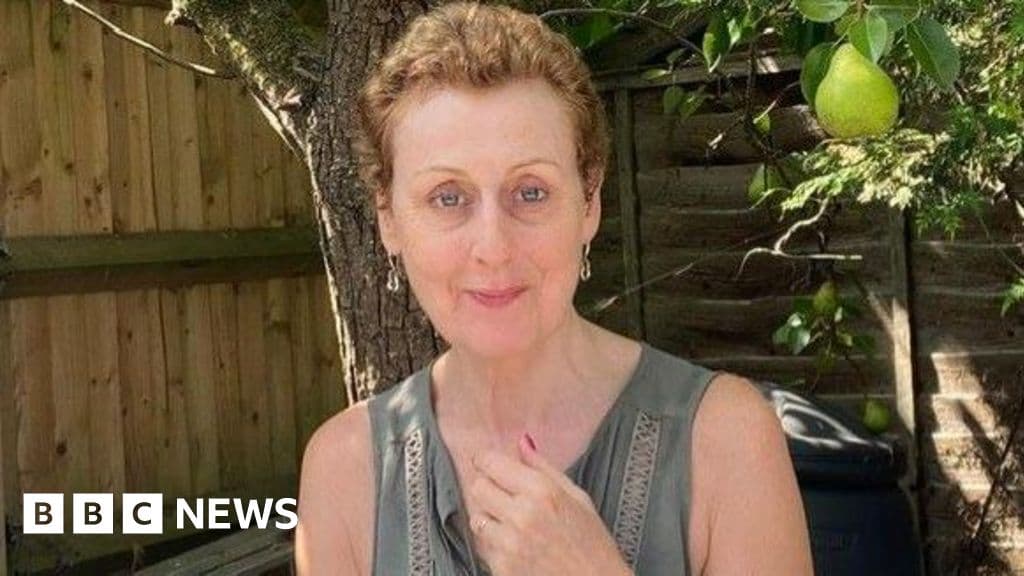
Breakthrough ovarian cancer drug now available on NHS, improving lives and extending time for patients.
See every story in News — including breaking news and analysis.
In a letter this year, she was told the effect on her health was below the threshold needed to qualify.
She says the current scheme is "not fit for purpose".
"I'm one of the lucky ones. I know that there are people who've unfortunately passed away from this, so families have been devastated by it."
The report was also critical of the government attempts to force health and care workers to have the vaccine.
The government mandated that care home workers would have to be jabbed to work in June 2021 – and then said they were planning to extend it to all health and care workers.
But they scrapped it and revoked the care home mandate amid mounting evidence the vaccine had a limited effect on stopping infections – instead its major benefit was stopping people getting seriously ill.
The inquiry said this may have contributed to alienation and increased hesitancy.
Unison general secretary Andrea Egan said such an approach was "never the right way" to address vaccine concerns.
"Making them compulsory didn't command the support of the profession and likely contributed to vaccine hesitancy in some groups.
"Instead, ministers should have run targeted campaigns to reassure staff the vaccine was safe, amid the deluge of anti-vax nonsense."
A government spokeswoman said the vaccine programme was "unprecedented" and reflected the strength of the UK's world-leading life sciences sector, the universal public health system and the extraordinary dedication of health and care staff.
"We are grateful to all those involved in this national effort – the scientists, researchers, regulators, NHS and social care staff and volunteers who supported the roll-out of vaccines and treatments at pace."
She said the government would consider the report in detail and it was committed to "learning vital lessons".