
Three youths in custody after Austin shootings injure four people
Three youths arrested after a shooting spree in Austin injures four people.
The Guardian World1 min read

Rising prices are now the biggest financial concern for UK households, according to a consumer confidence survey. The index dropped to its lowest level since July 2023, driven by fears of high inflation and declining household savings.
Rising prices have become the top financial concern for UK households, according to a monthly consumer confidence survey, before Wednesday’s official figures, which are likely to show inflation remaining stubbornly high.
Amid fears of higher interest rates owing to increased fuel prices after the closure of the strait of Hormuz amid the conflict in the Middle East, households have become “increasingly gloomy about their financial situation”, the report said.
The survey, from S&P Global, a data intelligence company, shows that its consumer sentiment index figure dropped to 42.1 in May, from 42.3 in April, the lowest level since July 2023 when inflation in the UK was soaring as a result of the Russian invasion of Ukraine. The index takes a combined figure tracking how people feel about their household spending, financial wellbeing, savings, debt and employment.
Maryam Baluch, an economist at S&P Global Market Intelligence, said that aside from during the periods of the Covid pandemic and the Ukraine-related energy price spike, the index score has not been this low since 2012.
The survey also showed Britons reporting a “substantial decline” in their household savings in May, falling at the fastest pace since July 2023. It said this was being driven by high energy prices and related costs “which have significantly strained household budgets”.
Baluch said: “Inflation worries have firmly taken centre stage. The rising cost of living is eating into savings at a rate not seen since 2011 if the pandemic is excluded, and is causing concern over future finances, in part due to growing conviction that interest rates are soon going to start rising.”
The survey of 1,500 people showed 51% anticipate a rise in interest rates, the highest proportion in two-and-half years. Rate-setters at the Bank of England have suggested they will probably need to raise the cost of borrowing at some point this year if global oil prices remain high and push up inflation. The Bank has warned that typical energy bills are likely to rise 16% to £1,900 by the summer and food prices will rise 7% by the end of the year.
The latest figures from the Office for National Statistics showed the rate of UK inflation, as measured by the consumer prices index, rose to 3.3% in March, up from 3% in February. The official inflation rate for April this week is expected to show a decline to 3% but still well above the Bank’s 2% target.
Rising prices have become the top financial concern for UK households, as indicated by a recent consumer confidence survey.
Inflation has led to a significant drop in consumer confidence, with the sentiment index falling to 42.1, the lowest since July 2023.
High energy prices and related costs are significantly straining household budgets, leading to a substantial decline in savings.
Three youths arrested after a shooting spree in Austin injures four people.

Eric Schmidt faced boos from students at Arizona commencement over AI comments.

The WHO has declared an Ebola outbreak in Uganda and DRC a public health emergency. Concurrently, a hantavirus outbreak linked to a cruise ship is raising concerns about global pandemic preparedness.

Iran's stock market is reopening this week after an 80-day closure due to war with the US and Israel.

Stanford economist Mordecai Kurz warns of tech billionaires eroding democracy and hoarding power.
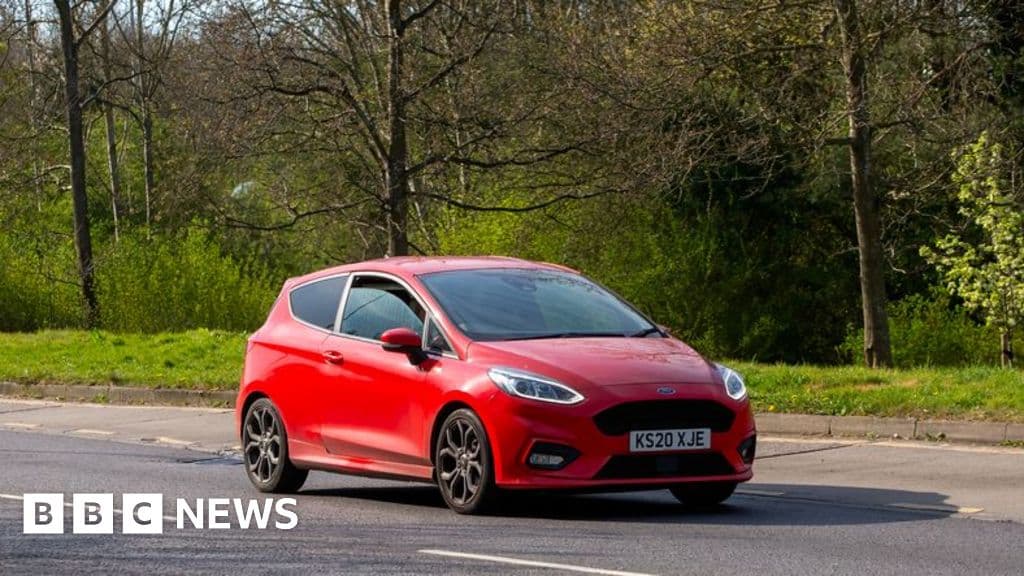
Ford's president hints at the return of the Fiesta as an electric model.
See every story in News — including breaking news and analysis.
The S&P survey said job insecurity is at its highest level since March 2023, while attitudes towards big purchases “remained markedly downbeat” and among the gloomiest in almost three years.
Baluch added: “Not surprisingly, this environment of squeezed finances, worries of higher interest rates and job insecurity is deterring spending to a degree rarely witnessed by the survey, which in turn looks set to dampen economic growth.”