
Gaza flotilla activists allege abuse, sexual assault in Israeli detention
Activists from Gaza flotilla report abuse and sexual assault in Israeli detention, raising international concerns.
Al Jazeera English1 min read

Donald Trump criticized Australia for not providing enough support in the Middle East, claiming the US requested their assistance. Australia's defense minister clarified that there was no specific request made to them.
Mentioned in this story
Donald Trump has again accused Australia of not doing enough to help him in the Middle East war, claiming the US “asked them to be there” despite Australia’s defence minister saying there had been no “specific request”.
The US president made the comments while taking questions from reporters, including Australian correspondents, as he left the White House on Thursday.
Footage showed Trump saying “Well, I’m not happy with Australia because they were not there when we asked them to be there.”
Pressed by a journalist on what he had asked Australia for, Trump did not answer directly but said: “They were not there having to do with Hormuz. So I’m not happy, I’m not happy with them.”
Asked on Friday morning what Trump meant, Australia’s prime minister, Anthony Albanese, said it was a question for Trump.
“There’s been no new requests at all,” Albanese told reporters in Geelong.
Sign up for the Breaking News Australia email
The defence minister and deputy prime minister, Richard Marles, told ABC Radio National on Friday Trumphad not made a “specific request” of Australia regarding the strait of Hormuz.
“We’ve not received a specific request in relation to the strait of Hormuz, but we’ll work with all partners, our allies, and that very much includes the US in terms of whatever needs to be done in relation to the strait of Hormuz,” Marles said.
Marles said Australia needed the crucial shipping channel to reopen and suggested it would “contribute” to an operation to make that happen when the time was right. He said Australia had been working with the US, UK and France.
World leaders, including a representative from Australia, were due to gather at a summit in Paris on Friday to discuss the strait.
“The planning that is being done in respect of any particular operation there is obviously one which is dependent on when circumstances allow such an operation to happen and that’s not the circumstances we’ve got right now,” Marles said on Friday morning.
“We need to wait for that, but we will be seeking to contribute in whatever is the best way that we can. And we’ve made that clear.”
Earlier he told ABC TV he would not “get into a running commentary on what the US president says”, when asked if Australia was getting tired of Trump’s repeated criticisms.
On Thursday, speaking at the National Press Club in Canberra, Marles went into more detail about what requests had been made during the conflict.
“Look, all I can say is that there was a request from the United States to assist in the defence of the nations of the Gulf. And right now we have an E‑7 Wedgetail operating above the skies of the Gulf states, providing for the defence, specifically, of the UAE. And it was in response to a specific request from the UAE,” he said.
Donald Trump accused Australia of not doing enough to help in the Middle East, stating they were not present when the US needed them.
Australia's defense minister stated that there was no specific request made by the US for their assistance in the Middle East.
Australia's Prime Minister, Anthony Albanese, said that Trump's comments were a question for Trump himself.
Trump's criticism came during a press interaction as he left the White House, where he expressed dissatisfaction with Australia's support regarding the Strait of Hormuz.
Activists from Gaza flotilla report abuse and sexual assault in Israeli detention, raising international concerns.
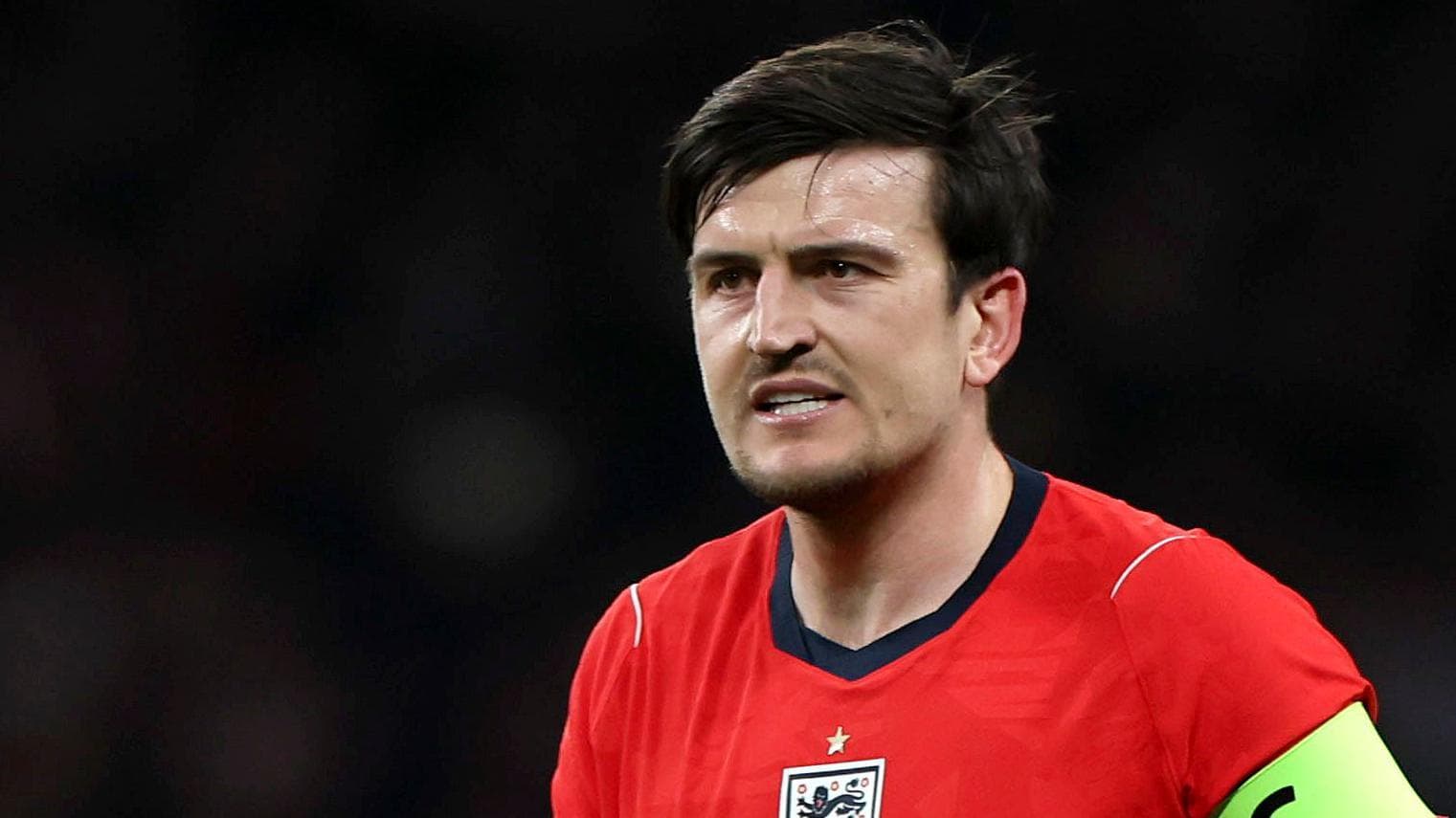
Wayne Rooney says Harry Maguire was 'very unlucky' to miss out on the World Cup squad.
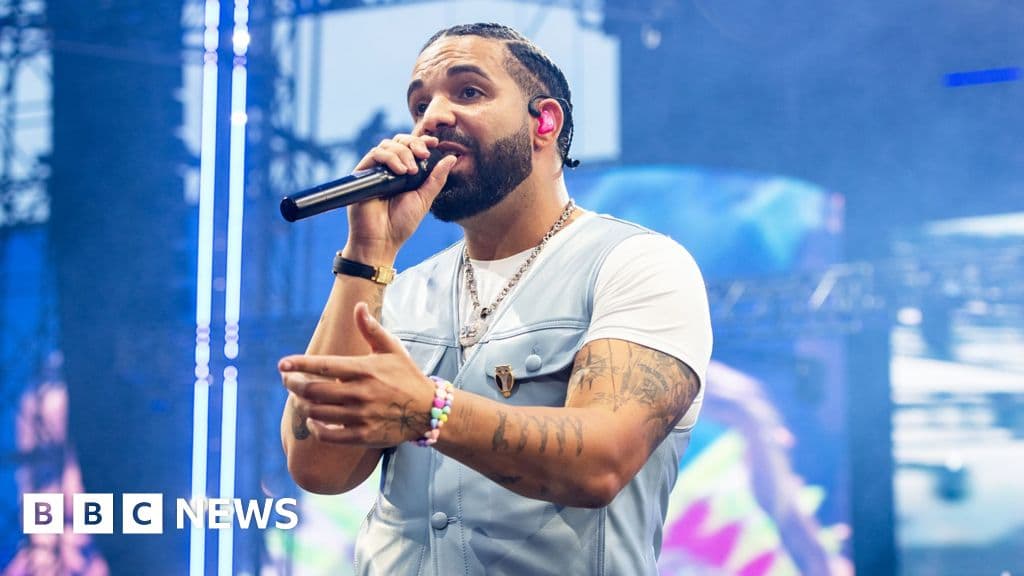
Drake's surprise three-album drop makes UK chart history!

UK government seeks single market for goods with EU, but faces rejection.

The Equality and Human Rights Commission's new code mandates that single-sex spaces be used based on biological sex, excluding transgender individuals from facilities aligning with their gender identity. This has sparked significant concern and frustration within the trans community and LGBTQ+ advocates.

San Diego mosque shooter was previously flagged by the FBI as a threat.
See every story in News — including breaking news and analysis.
He said it was “not surprising … that we wouldn’t have a specific request in respect of the strait of Hormuz from anyone” as planning conversations involving allies such as the US, UK and France were dependent on developing circumstances.
“We are involved in conversations now. But given the uncertainty that exists in respect of the strait of Hormuz, it would be impossible for anyone to make specific requests,” he said.
The Trump exchange began when a journalist asked Trump if he was satisfied with Australia’s increased defence expenditure.
Labor announced this week it would spend an extra $53bn on defence over the next decade, using the nation’s latest military blueprint to create special investment programs to fund increases in capability using private capital.
Existing budget settings have Australia’s spending on track to be about 2.03% of GDP, rising to about 2.3 to 2.4% by 2033 under the new plans.
Trump had demanded American allies spend as much as 3.5% of GDP on their own defence, to reduce reliance on the US.