Globalytic
GlobalyticPoliticsConflictsTechScienceHealthBusinessWorld

Globalytic

Independent world coverage — geopolitics, conflicts, science, and health — with AI-assisted editing and verification.

Sections

  • World
  • Politics
  • Conflicts
  • Tech
  • Science
  • Health
  • Business
  • World
  • All news
  • Search

Resources

  • About
  • RSS Feed
  • Search

Summaries and analysis may be AI-assisted. Content is for informational purposes only.

Not professional advice.

© 2026 Globalytic. All rights reserved.

  1. Home
  2. /News
  3. /MPs vote against social media ban for under-16s a second time
PoliticsBreakingneutral

MPs vote against social media ban for under-16s a second time

The Guardian WorldYesterday5 min readOriginal source →
MPs vote against social media ban for under-16s a second time

TL;DR

MPs have rejected a proposal to ban under-16s from using social media for the second time, voting 256 to 150. The government plans to consult on age restrictions before implementing any changes.

Key points

  • MPs voted 256 to 150 against a social media ban for under-16s
  • The proposal was part of the children's wellbeing and schools bill
  • The government plans to consult on age restrictions
  • A Labour amendment allows for future age curbs after consultation
  • Pressure from parents and campaign groups continues for online safety measures

Why it matters

The decision impacts ongoing discussions about children's safety online and the government's approach to regulating social media.

MPs have voted against a proposal to ban under-16s from using social media for the second time, as the prime minister summoned tech bosses to demand tougher action on internet safety.

The House of Commons rejected a Lords amendment to the children’s wellbeing and schools bill that imposed a new age limit on using social media platforms, amid pressure from parents and campaign groups for greater urgency in tackling online harms. They voted by 256 to 150, a majority of 106, to side with the government on its plan to tackle social media-linked harms affecting children.

However, MPs passed a Labour amendment giving the government extra powers to implement age curbs once it has finished its own consultation into an under-16s ban, which closes next month.

“Instead of the narrow amendment proposed in the House of Lords, our consultation allows us to address a much wider range of services and features,” said Olivia Bailey MP, the government’s early education minister. “It also allows us to consider the different views about the way to move forward and that’s why it’s crucial that we do not pre-empt the government’s consultation.”

Conservative shadow education secretary Laura Trott said: “I will keep fighting until the government offers a ban on social media on the face of the bill.”

As well as considering raising the age limit on social media from 13 to 16, the government consultation is also looking at addressing the addictive nature of social media platforms by restricting features such as infinite scrolling. MPs had also voted down the Lords under-16 amendment, submitted by Conservative peer Lord Nash, last month.

The vote came as Keir Starmer prepares to meet senior leaders at social media companies TikTok, X, Instagram and Facebook owner Meta, YouTube and Snapchat to demand swifter progress on internet safety.

Speaking before the meeting scheduled for Thursday, Starmer said: “Parents rightly expect action and fast. That’s why we’ve already taken the powers needed to move quickly once our consultation ends. I will take whatever steps necessary to keep children safe online. Today is about making sure social media companies step up and take responsibility.”

At Downing Street before the vote, bereaved parents and campaigners delivered a letter to the prime minister urging the government to restrict social media access for under-16s, introduce a ban on phones in schools and prohibit “addictive” social media features such as infinite scrolling and auto-play.

Esther Ghey, mother of the murdered teenager Brianna Ghey, said the government consultation was “delaying” action against online harms. “We know that social media is addictive, we know about the things young people are accessing online. We know that young people are losing their lives. We know that tech companies have billions of pounds, and while this consultation is running, they will be putting money into lobbying the government. I really hope they listen to other parents.”

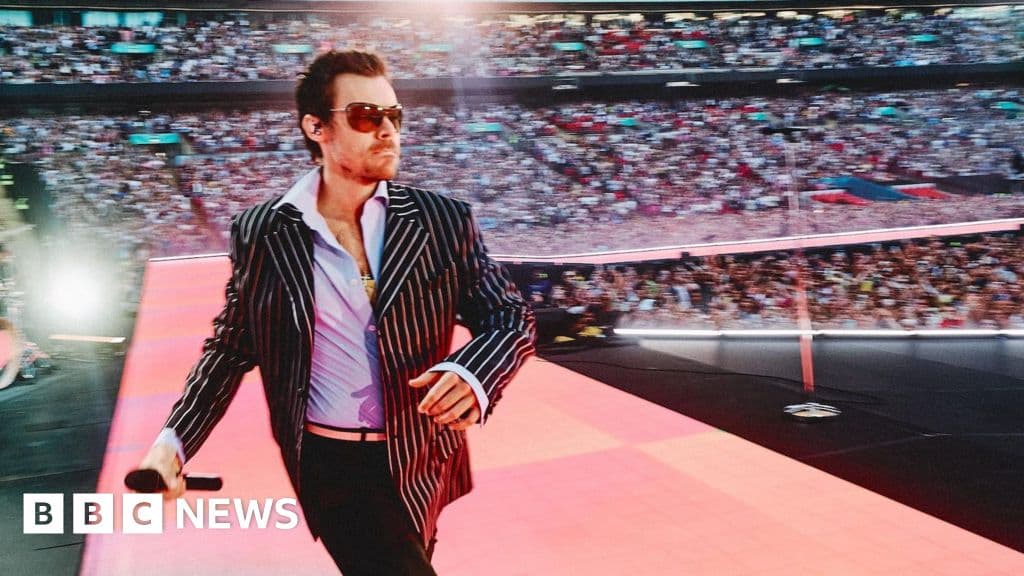
Ghey said: “Brianna was extremely isolated. This is because of the people she was talking to online and the people that were doing her harm. One of the arguments against the social media ban is that vulnerable, particularly LGBT youth, find their community online, whereas Brianna didn’t.

“We have an LGBT youth support group, and she went there a couple times and refused to engage. Then, she went back home and on to her phone, back to the people that were doing her harm in the first place. I think that if she wasn’t on social media, she would have engaged far more in the real world. And that would have done her mental health wonders.”

“There needs to be some kind of accountability for what they’re doing to our children,” said Stuart Stephens, father of 13-year-old Olly Stephens. In January 2021, his son was lured to a field by a girl and fatally stabbed by two boys. “We were very naive and we believed these companies had a duty of care. I don’t think any child should be on social media under the age of 16 because their brains are not fully developed enough to deal with that.”

Louise Gibson lost her 11-year-old son, Noah, in December 2021, to what she believes was a social media challenge. She said she remained “hopeful” the Lords’ amendments will be accepted. “As parents, we have our responsibility, and we know we have our responsibility. But if there’s restrictions in place, it just makes our job a whole lot easier.”

Ellen Roome, along with Gibson and three other parents, are suing TikTok in Delaware after the deaths of their children. She said: “My son Jools died four years ago this week, and I believe it was because of social media. It feels like we’re gaining momentum and moving forward.

“We just need the government to catch up. We’ve given technology companies the chance to actually change and they have chosen not to do enough. We now need the government to say ‘enough’, to take it away from them.”

Roome also described the Downing Street meeting as a “stunt” designed to distract from the fact that the government had ordered its own MPs to vote against an under-16 ban.

Q&A

What was the outcome of the MPs' vote on social media for under-16s?

MPs voted 256 to 150 against a proposal to ban under-16s from using social media.

Why did MPs reject the Lords amendment regarding social media use?

MPs rejected the amendment to allow the government to conduct a broader consultation on age restrictions and online safety.

What powers did MPs grant the government regarding age curbs on social media?

MPs passed a Labour amendment giving the government extra powers to implement age curbs after completing its consultation.

What are the next steps for the government regarding social media regulations for children?

The government will conduct a consultation on an under-16s ban, which closes next month, before deciding on any regulations.

People also ask

  • MPs vote social media ban under-16s
  • reasons for rejecting social media ban for children
  • government consultation on social media age restrictions
  • Labour amendment social media regulations
Load next article

Related Articles

Israeli demolitions levelling towns in south Lebanon, satellite images show
Conflicts

Israeli demolitions levelling towns in south Lebanon, satellite images show

Israeli demolitions have destroyed over 1,400 buildings in southern Lebanon since March 2, as revealed by satellite images. This destruction follows an order from Israel's Defence Minister to accelerate home demolitions near the border.

BBC News·Yesterday·1 min read
Play-off pending? How a draw at the Etihad could set up thrilling finale
World

Play-off pending? How a draw at the Etihad could set up thrilling finale

Arsenal faces Manchester City in a pivotal Premier League clash that could shape the title race.

BBC News·Yesterday·1 min read
Report suggests 'breakthrough' Alzheimer's drugs unlikely to benefit patients
Health

Report suggests 'breakthrough' Alzheimer's drugs unlikely to benefit patients

New analysis questions the effectiveness of Alzheimer's breakthrough drugs.

BBC News·Yesterday·1 min read
Iran war: What is happening on day 48 of the US-Iran conflict?
Conflicts

Iran war: What is happening on day 48 of the US-Iran conflict?

Day 48 of the US-Iran conflict: Negotiations intensify as tensions rise.

Al Jazeera English·Yesterday·1 min read
CEO of bitcoin firm championed by Nigel Farage leaves company
Business

CEO of bitcoin firm championed by Nigel Farage leaves company

The CEO of bitcoin firm Stack BTC, promoted by Nigel Farage, has left the company as it seeks to assure investors of its long-term value. Stack BTC was launched earlier this year and is a rebranded version of Kasei Investment Holdings, which faced liquidation last year.

The Guardian World·Yesterday·1 min read
Ammonia pollution hotspots found in areas of UK with most pig and poultry factory farms
Science

Ammonia pollution hotspots found in areas of UK with most pig and poultry factory farms

New research reveals ammonia pollution hotspots in UK factory farm areas.

The Guardian World·Yesterday·1 min read

More from News

View all →

See every story in News — including breaking news and analysis.

At a glance

  • MPs voted 256 to 150 against a social media ban for under-16s
  • The proposal was part of the children's wellbeing and schools bill
  • The government plans to consult on age restrictions
  • A Labour amendment allows for future age curbs after consultation
  • Pressure from parents and campaign groups continues for online safety measures

Advertisement

Placeholder