
California: 40,000 people ordered to evacuate over chemical leak fears
40,000 people evacuated in California due to chemical leak fears
The Guardian World1 min read

Labor plans to increase defense spending by $53 billion over the next decade, with a $14 billion boost in the next four years. However, this still falls short of Donald Trump's demand for allies to spend 3.5% of GDP on defense.
Mentioned in this story
Labor will spend an extra $53bn on defence over the next decade, using the nation’s latest military blueprint to create new special investment programs to fund increases in capability using private capital.
The defence minister, Richard Marles, will unveil the new national defence strategy on Thursday, as well as detailing a new integrated investment program for military capability, boosting the current budget by $14bn over the next four years, forward estimates period.
But the plan still will not meet demands of US president, Donald Trump, that American allies spend as much as 3.5% of GDP on their own defence, to reduce reliance on the US.
Existing budget settings have Australia’s spending on track to be about 2.03% of GDP, rising to about 2.3 to 2.4% by 2033 under the new plans.
Marles will tell the National Press Club in Canberra that accessing private capital will be central to the government’s strategy for keeping the country safe.
“National Defence Strategy 2026 affirms that Australia faces its most complex and threatening strategic circumstances since the end of World War II,” Marles says.
“International norms that once constrained the use of force and military coercion continue to erode. More countries are engaged in conflict today than at any time since the end of World War II, and this is occurring across every region of the world.”
Along with tax reform and cuts to growth in the National Disability Insurance Scheme – on track to cost $55bn next financial year – additional defence spending is expected to be a key feature of the 12 May federal budget.
Marles will say on Thursday the government intends to pursue “every avenue of increasing defence capability quickly”. That will include new so-called “off budget” spending programs for the Australian defence force, through the use of private capital investments in major projects.
Experts have said major spending outside the usual budget process is problematic, not least because it has the potential to hide the cost of government programs.
Amid a rapidly shifting geopolitical landscape, Labor is spending at least $368bn on the Aukus nuclear submarine agreement with the US and Britain.
Private financing and special investment schemes are expected to help fund a landmark upgrade of the Henderson defence precinct in Western Australia. Spending of as much as $25bn is expected in the next decade, including private sector investments, to speed up Aukus preparedness.
Australia will increase its defense spending by $53 billion over the next decade.
Australia's current defense spending is about 2.03% of GDP.
Donald Trump demands that American allies spend 3.5% of their GDP on defense.
The Australian defense minister is Richard Marles.
40,000 people evacuated in California due to chemical leak fears

40,000 people under evacuation orders due to a chemical leak in Southern California. Schools closed amid safety concerns.
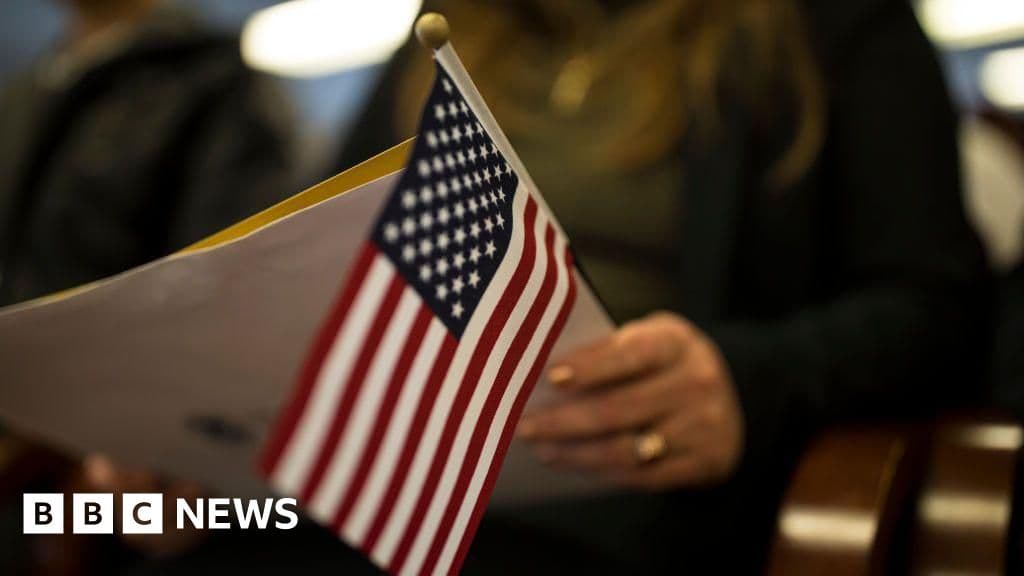
New US policy mandates that most green card applicants apply from outside the country, complicating the process for many.

Charges dropped against artist Michael Agzarian for Nazi-themed artwork of politicians
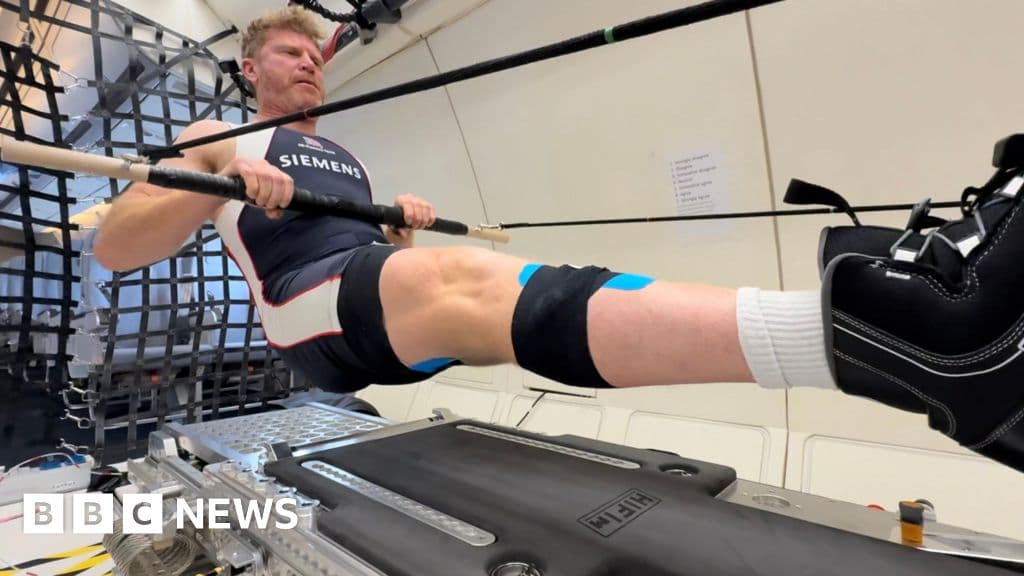
Olympic medallist tests gym equipment for future astronauts in weightless conditions.

Beat the heat this festival season with expert tips on staying cool!
See every story in News — including breaking news and analysis.
Labor announced a $12bn “downpayment” on the shipbuilding facility in September. Henderson is expected to be used to build surface vessels and to dock and sustain submarines.
Marles will argue the new defence strategy recognises that assumptions which have underpinned Australia’s nation security for decades, including geographic distance and comparative military superiority in the Indo-Pacific region, are no longer valid.
He says Australia’s military capability and preparedness needs to better recognise increasingly adverse trends in the world, intensifying major-power competition between China and the US, and rapid military modernisation in the region, happening without transparency or explanation.
Labor will spend between $2bn and $5bn more on drones as part of the new strategy, prioritising local manufacturing. That amount will bring spending on uncrewed and autonomous capabilities to between $12bn and $15bn over the next decade.
The government wants to curb NDIS spending growth to between 5% and 6%, down from about 10.3% last year.