
‘The world is sounding an alarm’: Why big tech is the new colonist
How Big Tech is Shaping Modern Warfare and Reviving Decolonisation Debates
Al Jazeera English1 min read

King’s College London is merging with Cranfield University to form a new 'super-university' by summer 2027, adding 5,000 postgraduate students. This merger will make KCL the second largest university in the UK, surpassing the University of Manchester.
Mentioned in this story
King’s College London has signed an agreement to merge with Cranfield University, creating a new UK “super-university” that would rival many of its international competitors in size and research output.
The merger would result in KCL taking on another 5,000 mainly postgraduate students and become the second largest mainstream university in the UK, with about 47,000 students, overtaking the University of Manchester and behind only University College London.
Under the agreement the two institutions would merge by the end of summer 2027, with a name yet to be formally decided.
The government has already given preliminary approval for the merger to go ahead, which comes as the higher education sector in England is struggling financially.
Last year a merger was announced between the University of Greenwich and the University of Kent, while England’s higher education regulator, the Office for Students, on Thursday warned that universities “remain under continued pressure due to volatile student recruitment patterns and rising costs”.
Prof Shitij Kapur, KCL’s vice-chancellor, said: “The merger would bring new educational possibilities for students, new discoveries from academics and a clear focus on working in partnership with industry and government to support national resilience.
“This is a deliberate step to bring some of the best of the UK to compete with the best in the world.”
Patrick Vallance, the government’s science and innovation minister, said the merger “creates an extraordinarily powerful university … bringing together two world-class institutions and giving King’s a place at the heart of one of our most important regions for science and technology.
“It will create a driver of innovation and growth, capitalise on the complementary strengths and specialisms of both institutions and increase access, capacity and resilience across teaching and research.”
Cranfield, based near the town of the same name in Bedfordshire and with another campus in Oxfordshire, was founded after the second world war as a college of aeronautics. More than 90% of its students are postgraduates, concentrating on technology, engineering and management studies.
Prof Karen Holford, Cranfield’s vice-chancellor, said: “This merger is an exciting proposition for Cranfield, aligning our deep specialisms in engineering, technology, and management within KCL.
“It is an intentional step, which brings Cranfield University’s outstanding applied research, nationally important facilities, sovereign capability, and longstanding industry links to King’s, creating enormous potential.”
The merger is set to be completed by the end of summer 2027.
After the merger, King’s College London will have approximately 47,000 students.
The merger aims to create a larger institution to enhance research output and competitiveness amid financial struggles in the higher education sector.
How Big Tech is Shaping Modern Warfare and Reviving Decolonisation Debates
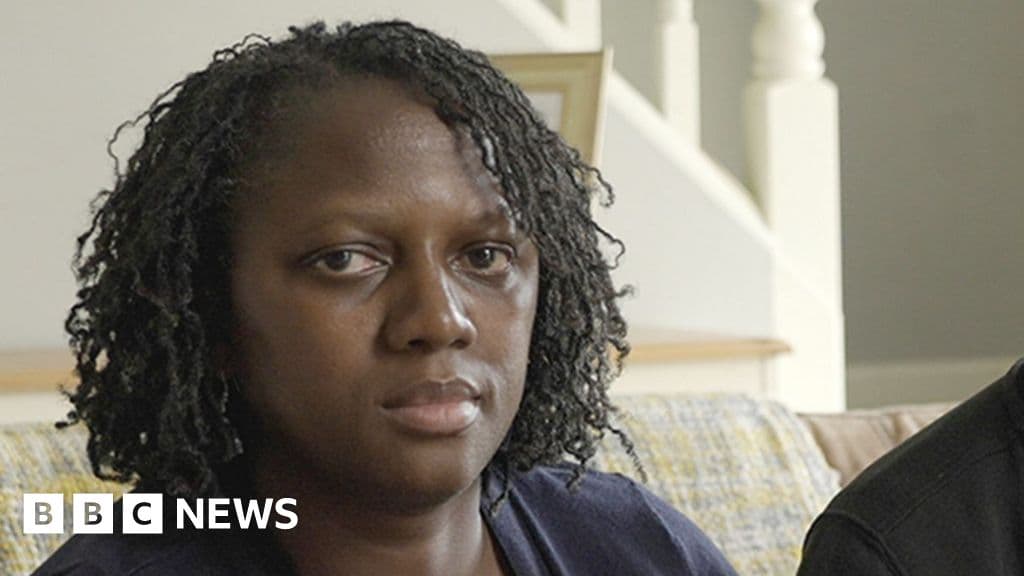
Valdo Calocane's mother calls the care system 'so broken' at inquiry

Retired Canadian officer William Majcher acquitted of charges related to spying for China.

A University of Melbourne academic denied collaborating with Iran's parliament speaker, Mohammad Bagher Ghalibaf, on a journal article, stating he was listed as an author without consent. Ghalibaf has established ties to Australia, including connections to the university's research center.

Labor's latest budget aims to support young and low-income Australians while imposing higher taxes on the wealthy. However, it may not attract middle-aged voters who favor parties like One Nation.

NDIS funding cuts may leave participants with gaps; health minister gains new powers.
See every story in News — including breaking news and analysis.