
Trump dangles normalisation amid pro-Israel criticism of possible Iran deal
Trump's Iran deal proposal faces criticism from pro-Israel advocates
Al Jazeera English1 min read

Donald Trump's proposed deal with Iran has sparked alarm in Israel, with concerns over its potential impact on the Iranian regime and Israeli security. Critics argue that the deal could empower Iran financially and politically.
Mentioned in this story
When Donald Trump launched a pre-emptive war on Iran with Israel in February, many in the country hailed the campaign as the crowning triumph of Benjamin Netanyahu’s political and diplomatic career.
Three months on the regime is still in power in Tehran, Trump is chasing a deal that will reopen the strait of Hormuz to oil tankers, and the reported terms have provoked alarm, dismay and anger in Israel.
“Israel is completely beholden to the decisions of a capricious, hollow and desperate American president,” Nahum Barnea wrote in Yedioth Ahronoth, one of several commentators who condemned both the deal and the Israeli prime minister.
“The greater the fury, the greater the roar, the greater the defeat,” he added, in a scathing account of Netanyahu’s strategy before and during the campaign that the US called Operation Epic Fury and Israel named Operation Roaring Lion.
“If the agreement currently being talked about is signed, the damage will be even worse. The billions that will flow into the regime’s pockets will go a long way.”
At the beginning of the war Israel’s security elite warned that Netanyahu risked sacrificing the country’s most vital foreign policy asset, bi-partisan support in the United States, in pursuit of regime change in Iran and possibly a boost in an election due by October.
Almost three months on, US opinion polls indicate that a body blow to a decades-old legacy may be the conflict’s most enduring legacy for Israel.
Israel has been not only locked out of negotiations with Iran, it has not even been updated on their progress, according to the New York Times. Its government has been forced to resort to drawing on regional allies and their espionage networks surveilling Iran’s leadership.
The deal that Trump’s team is negotiating may put some constraints on Iran’s nuclear programme, but there was broad consensus they would be less restrictive than an agreement reached by Barack Obama’s administration in 2015.
Netanyahu criticised that deal, officially known as the joint comprehensive plan of action (JCPOA), in Washington DC at the time.
The main concerns include the potential financial empowerment of the Iranian regime and the implications for Israeli security.
Benjamin Netanyahu has faced criticism for his handling of the situation, with commentators suggesting that he is politically beholden to the U.S. decisions.
Operation Epic Fury refers to the U.S. military campaign against Iran, while Operation Roaring Lion is Israel's designation for its involvement in the conflict.
The deal aims to reopen the Strait of Hormuz to oil tankers, which is crucial for global oil supply, but raises concerns about Iran's increased influence in the region.
Trump's Iran deal proposal faces criticism from pro-Israel advocates

CBS backs down from copyright claims on Colbert's viral parody show.

Lawyers call on Starmer to intervene in Jagtar Singh Johal's case in India
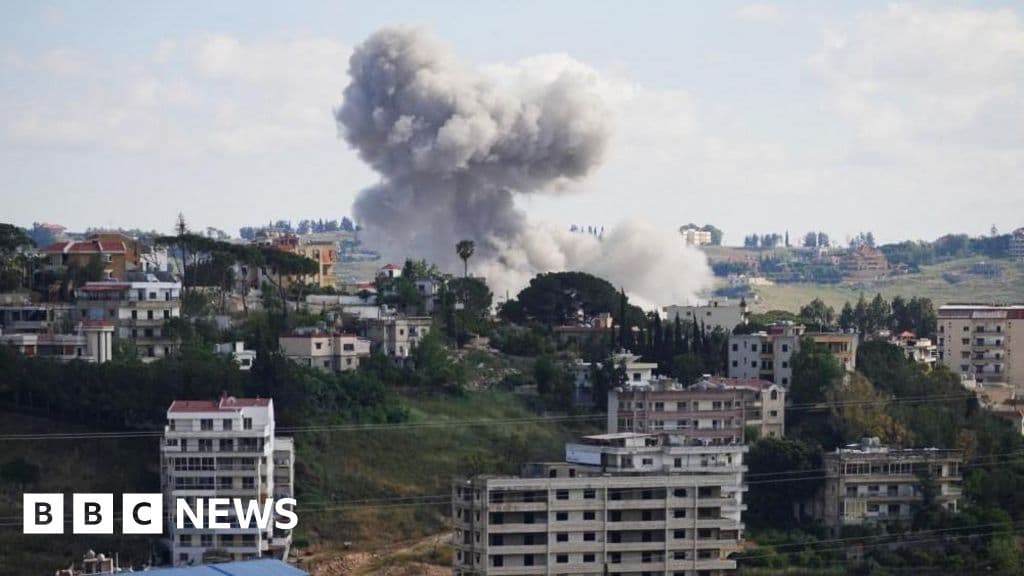
Netanyahu announces intensified military action against Hezbollah in Lebanon.

Jodi Jones steals the show at Wembley, leading Notts County to victory!

Trump to undergo routine medical exam at Walter Reed amid health concerns.
See every story in News — including breaking news and analysis.
“The emerging agreement is far worse than the previous one,” Ben Caspit wrote in Ma’ariv, highlighing the risk that fallout from the war and ceasefire deal could accelerate Iran’s nuclear programme, rather than destroying it as Netanyahu had promised. “If they [Iran] do come to possess a nuclear bomb, it will be Bibi’s bomb.”
The assassination of the supreme leader, Ayatollah Ali Khamenei removed the man who set up the nuclear programme but also held off the final stage of creating a weapon, he added.
Israel’s other concerns going into the war, including a regional proxy network and a ballistic missile arsenal that caused death and destruction across Israel, do not appear to be on the table at all.
Far-right members of Netanyahu’s coalition are now pushing him to challenge the US president on a partial ceasefire with Hezbollah in Lebanon, implemented under pressure from Washington.
“It is time for the prime minister to bang on Trump’s table and inform him that we are returning to war in Lebanon,” Itamar Ben-Gvir, the national security minister, wrote on social media on Monday.
Worry about threats from Iran and its allies are probably behind polling that showed strong Israeli support for the decision to go to war with Iran, even after weeks of missile attacks.
Immediately after the ceasefire, more than a third of Jewish Israelis said they were very or somewhat unhappy about it, compared with just over a quarter who were very or somewhat happy the fighting stopped, according to the Israel Democracy Institute.
Backing for the government declined, however, as the conflict dragged on with no sign of the regime change Netanyahu had promised.
Even in April, when there might have been more cause for Israeli optimism about continued US pressure on Iran, Israelis were disappointed with the government’s handling of the war. Just over a third rated the government’s performance positively, the same survey found.
Not all criticism was aimed at Netanyahu, and not all those unhappy with the deal regretted the war, but the outline of Trump’s apparent plan found few champions in Israel.
“To Trump’s credit, it needs to be said that at least he tried,” Ariel Kahana wrote in the Hebrew-language daily Israel Hayom. “His bold willingness to unleash the United States’ tremendous firepower on Iran is tens of times preferable over the historic impotence that was shown by all of his predecessors.
“The bottom line is that Iran can and is presenting to the world a victory picture by dint of the very fact that it is still standing. Trump, for the time being, does not have a similar counter-picture of his own to show. That isn’t very good news for the Israeli people.”