
Taylor Swift makes tearful 21-minute speech as she joins Songwriters Hall of Fame
Taylor Swift makes emotional speech as she joins Songwriters Hall of Fame
BBC News1 min read

A new report reveals that climate-related events like heatwaves and floods are increasingly disrupting elections, threatening democracy. Over the past two decades, 94 elections in 52 countries have been affected by these natural hazards.
Democracy is under mounting threat from the climate crisis, with new analysis documenting how elections are increasingly shaped not only by political forces but also by floods, wildfires and extreme weather.
At least 94 elections and referendums across 52 countries have been disrupted by climate-related impacts over the last two decades, researchers found.
As risks intensify, the pressure on already fragile democratic systems – particularly in Africa and Asia – is forecast to grow.
The findings, from the International Institute for Democracy and Electoral Assistance, an intergovernmental organisation that aims to support democracy around the world, is the first global analysis of how natural hazards are affecting elections.
In 2024, those hazards disrupted 23 elections in 18 countries, including Brazil, Bosnia and Herzegovina, and Senegal, either by damaging infrastructure, displacing voters or precipitating last-minute changes to electoral processes.
The report’s co-author, Sarah Birch, a professor of politics at King’s College London, said elections should be timed to avoid predictable climate threats, noting that even the US was still intent on staging elections in November, during its hurricane season.
“Elections should be held when disasters are least likely,” she said. “In some cases, electoral management bodies will also need to consider alterations to election timelines to reduce the likelihood of disruption by short-lived disasters.”
The findings highlight more than 100 climate-related crises, including Mozambique’s 2019 election, when Cyclone Idai submerged thousands of houses, schools, power lines and roads and people were forced to move to safer locations, events that the report states “affected the results of the presidential election and the distribution of legislative and provincial seats”.
Another example is the flooding that took place during Senegal’s parliamentary election in November 2024, when firefighters were required to help bring election observers to polling stations.
Heatwaves are another recurring problem, with at least 10 elections since 2022 affected by very hot weather. Among them was the general election in the Philippines last year, when intense heat meant that some vote-counting machines overheated on election day and ejected previously accepted ballots.
At least 94 elections and referendums across 52 countries have been disrupted by climate-related impacts over the last two decades.
Africa and Asia are forecast to experience growing pressure on their already fragile democratic systems due to climate-related risks.
In 2024, 23 elections in 18 countries, including Brazil, Bosnia and Herzegovina, and Senegal, were disrupted by climate hazards affecting infrastructure and voter displacement.
Taylor Swift makes emotional speech as she joins Songwriters Hall of Fame

Children with autism receive unapproved stem cell treatments, supported by RFK Jr.
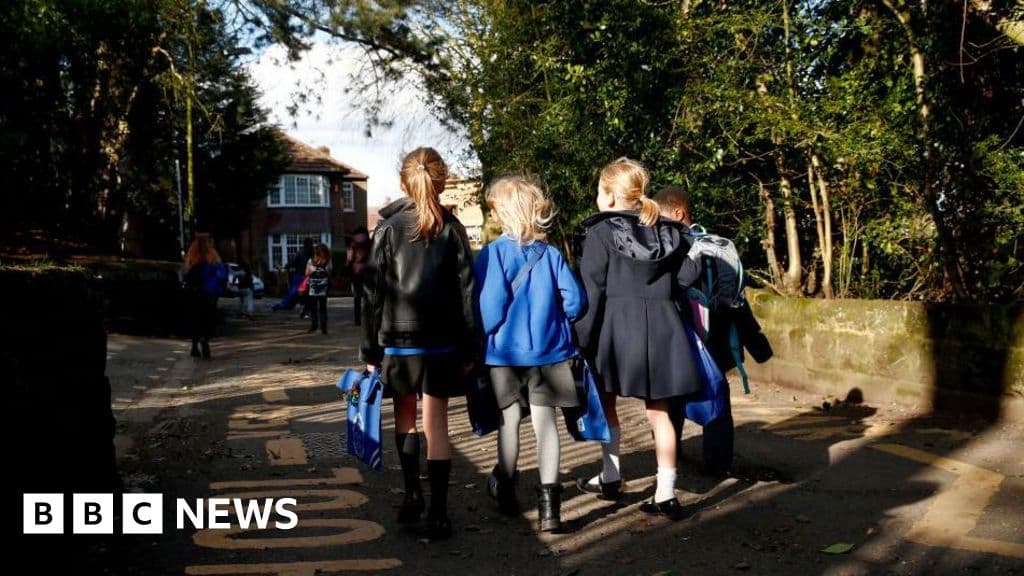
UK government targets 60% of children walking or cycling to school by 2035 with £4.5bn investment.

Fisa spy powers on the brink of expiration after Congress inaction

Belfast faces anti-immigrant riots following a violent knife attack.

Trump cancels planned strikes on Iran, hints at peace deal.
See every story in News — including breaking news and analysis.

A villager collapses from heatstroke after waiting to vote during the 2025 midterm elections in Mindanao, Phillipines. Photograph: Anadolu/Getty
Heat is a particular threat to elections in the world’s megacities, which have populations of more than 10 million. The Nigerian city of Lagos now has the most days a year - 89 - where local temperatures are significantly above pre-climate change levels.
To help mitigate the impact of extreme climate events, the report advocates for those organising elections to work closely with meteorological experts, environmental protection bodies, and disaster relief and humanitarian agencies.
Election staff in Peru, for instance, have received training in disaster risk management to help them respond to disruptions on voting day. Next year, the Alberta provincial legislature in Canada will move its traditional election date in May to October to avoid the wildfire season.
Ferran Martínez i Coma, a professor of government at Australia’s Griffith University, said: “As natural hazards increase, training and contingency planning is more important than ever. Preparation is key to the integrity and resilience of the elections.”