
Lionel Messi scores brace as Argentina beat Austria 2-0 at World Cup 2026
Lionel Messi scores twice as Argentina beats Austria 2-0 in World Cup 2026!
Al Jazeera English1 min read

FIFPRO has achieved a significant legal victory as the European Committee of Social Rights will investigate France's labor standards for professional footballers. This marks the first successful collective complaint under the European Social Charter by a players' union.
Mentioned in this story
Football players’ union FIFPRO is hailing a “landmark” legal win after a European rights body agreed to investigate whether the French state failed to uphold labour standards for professional footballers.
The unanimous decision by the European Committee of Social Rights in March marks the first time a players’ union has successfully advanced a collective complaint under the European Social Charter. It paves the way for an investigation into whether France has failed to ensure proper working conditions for professional players, including minors.
FIFPRO described the heart of the dispute as the French state’s failure to protect professional footballers from the health and safety risks posed by a congested and expanding international match calendar, which it argues is driven by FIFA’s unilateral decisions on competition formats.
The inaugural edition of a rebranded and expanded FIFA Club World Cup came in for particular criticism from across the game when it was staged last year.
The French government had sought to have the case dismissed, arguing that any alleged labour violations were the responsibility of private sports bodies, such as FIFA or the French Football Federation, rather than the state.
The Committee rejected that objection, affirming that national governments remain legally responsible for ensuring fundamental workers’ rights are upheld within their jurisdictions, regardless of whether a private entity manages the industry.
FIFPRO Europe, which is supporting the French National Union of Professional Footballers (UNFP) in the case, described the decision as a “signal case” for the industry.
It added that the complaint highlights how global governing bodies “frequently bypass national labour standards regarding rest periods and collective bargaining.”
FIFPRO Europe confirmed it would provide full support to the UNFP during the upcoming proceedings and called on other European states to hold football authorities accountable for “systemic failures” that it said prioritise commercial interests over player safety.
“France is not alone: many other states are in a comparable situation, with minimum standards for working time, rest periods, occupational health and collective bargaining structurally undermined by decisions taken at global level,” its statement said.
FIFPRO's legal victory involves an investigation into whether France has failed to uphold labor standards for professional footballers, particularly regarding health and safety risks from a congested match calendar.
The investigation is significant as it is the first successful collective complaint by a players' union under the European Social Charter, potentially impacting working conditions for footballers in France.
FIFPRO filed a complaint due to concerns that the French state failed to protect professional footballers from health risks associated with FIFA's congested international match calendar.
Lionel Messi scores twice as Argentina beats Austria 2-0 in World Cup 2026!
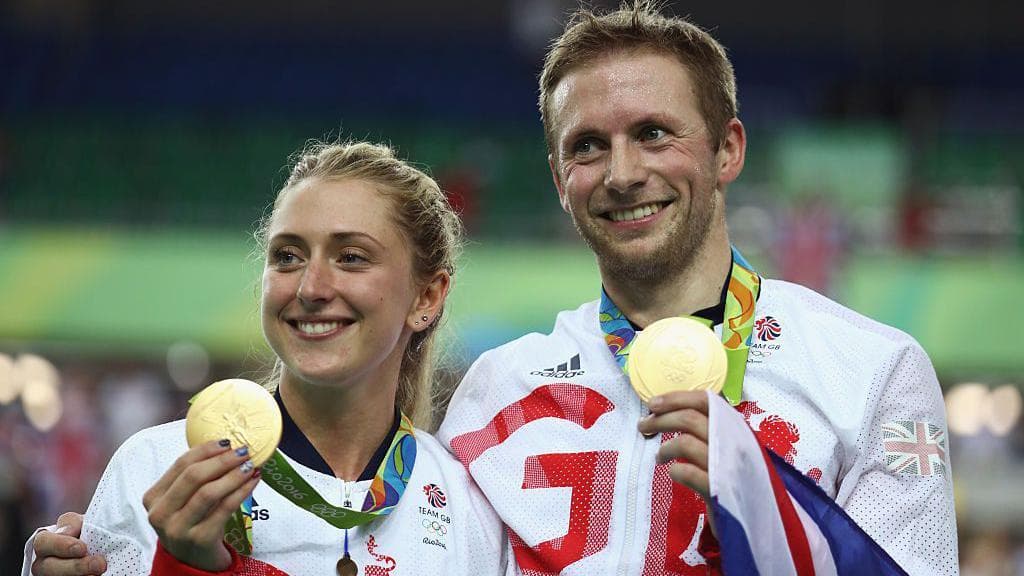
Olympic stars unite to support Northern Games bid for the 2040s

Lionel Messi makes history by breaking the World Cup scoring record!

US raises alarm as RSF forces encircle el-Obeid in Sudan, warning of potential atrocities.

Andy Burnham's supporters are divided over who should be his chancellor, with key implications for his potential premiership.
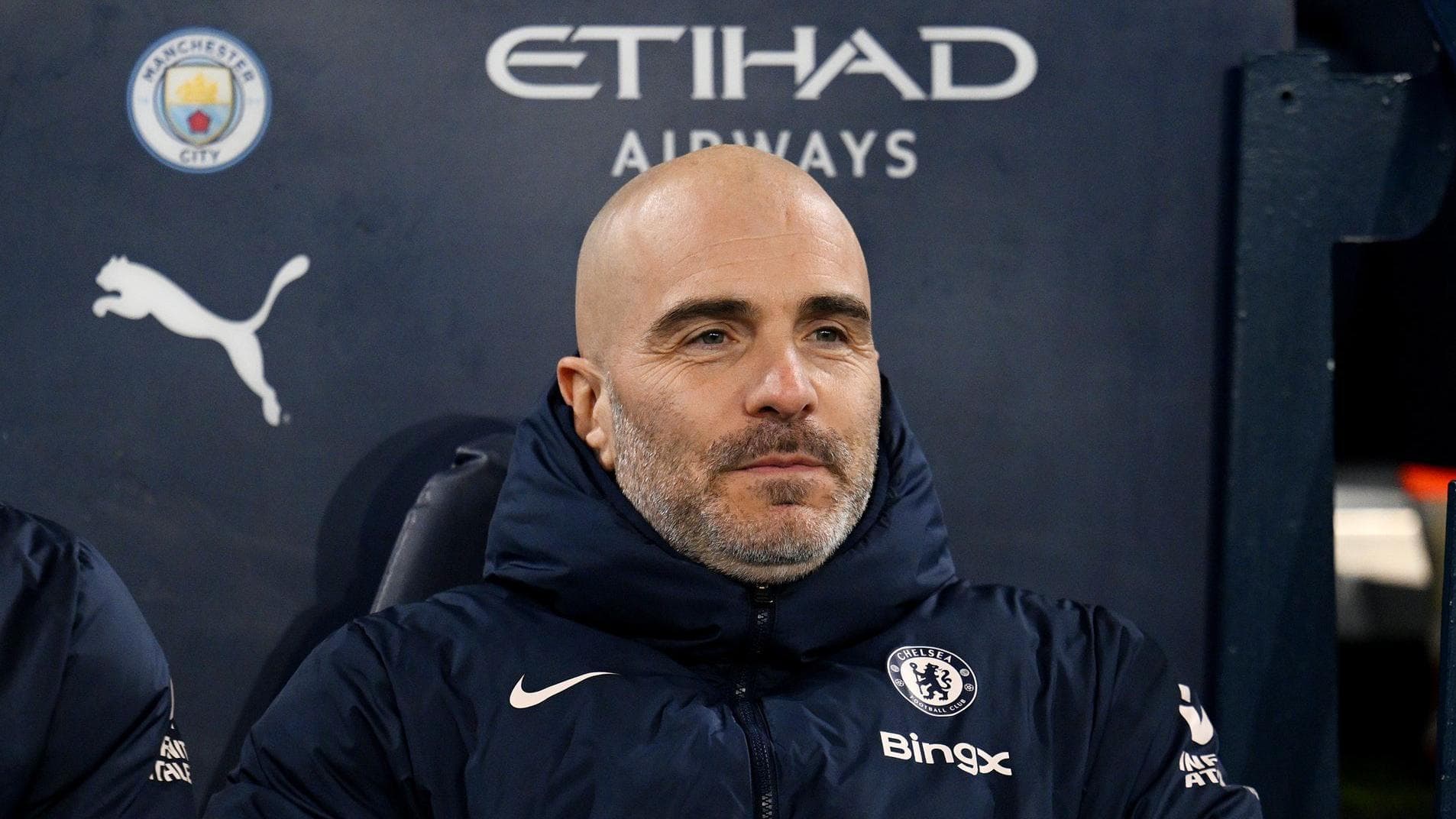
Manchester City close to appointing Enzo Maresca as manager on a three-year deal.
See every story in News — including breaking news and analysis.