
2-2 draw for Japan and the Netherlands in World Cup opener for both
Japan and Netherlands end World Cup opener in a thrilling 2-2 draw!
NPR Topics: News1 min read

The EU trade deal with South America's Mercosur bloc has provisionally taken effect after 25 years of negotiations, creating a major free trade area. The agreement aims to eliminate tariffs on over 90% of bilateral trade, benefiting both regions economically.
Mentioned in this story
The long-awaited trade deal between the European Union and South America’s Mercosur bloc has provisionally come into effect, boosting business ties amid tariff threats and deepening uncertainty around global cooperation.
The pact took effect on Friday after 25 years of negotiations, creating one of the world’s largest free trade areas, with 720 million potential consumers and an estimated value of $22 trillion.
The agreement is only provisionally in effect because it is being challenged by the EU’s judiciary. They are fighting against European Commission President Ursula von der Leyen’s move to sidestep the EU parliament and provisionally enact the deal. The agreement will be halted if the European body rules against it
The agreement, which was signed in January, is designed to lower tariffs and boost trade between the two regions. Together, the EU and Mercosur account for 30 percent of global GDP and more than 700 million consumers.
The new treaty will eliminate tariffs on more than 90 percent of bilateral trade and will favour European exports of cars, wine and cheese, while making it easier for South American beef, poultry, sugar, rice, honey and soya beans to reach Europe.
“This is good news for EU businesses of all sizes, good news for our consumers and good news for our farmers, who will gain valuable new export opportunities, with full protection for sensitive sectors,” Von der Leyen said on Thursday.
The EU leader is expected to hold a videoconference on Friday with leaders of Mercosur nations Brazil, Argentina, Uruguay and Paraguay to celebrate the agreement.
Earlier this week, Brazil’s President, Luiz Inacio Lula da Silva, a main supporter of the agreement, signed a decree validating the deal in his country.
He said it is a response to unilateral tariffs imposed last year by US President Donald Trump and a reaffirmation of multilateralism.
“Nothing better than believing in the exercise of democracy, in multilateralism and in cordial relations between nations,” Lula said in a celebration ceremony in the capital, Brasilia.
The new trade deal has faced opposition from farmers and environmental groups. They are concerned by a surge of inexpensive South American imports and increased deforestation.
Thousands of Irish farmers protested in January against the agreement, accusing European leaders of sacrificing their interests.
The deal eliminates tariffs on over 90% of bilateral trade, benefiting European exports like cars and wine, while facilitating South American products such as beef and sugar into Europe.
It is provisionally in effect because it is being challenged by the EU's judiciary, which may halt the agreement if it rules against the European Commission's actions.
The trade deal potentially affects 720 million consumers across the EU and Mercosur regions.
Japan and Netherlands end World Cup opener in a thrilling 2-2 draw!

Germany dominates Curaçao 7-1 in World Cup opener; Havertz shines!
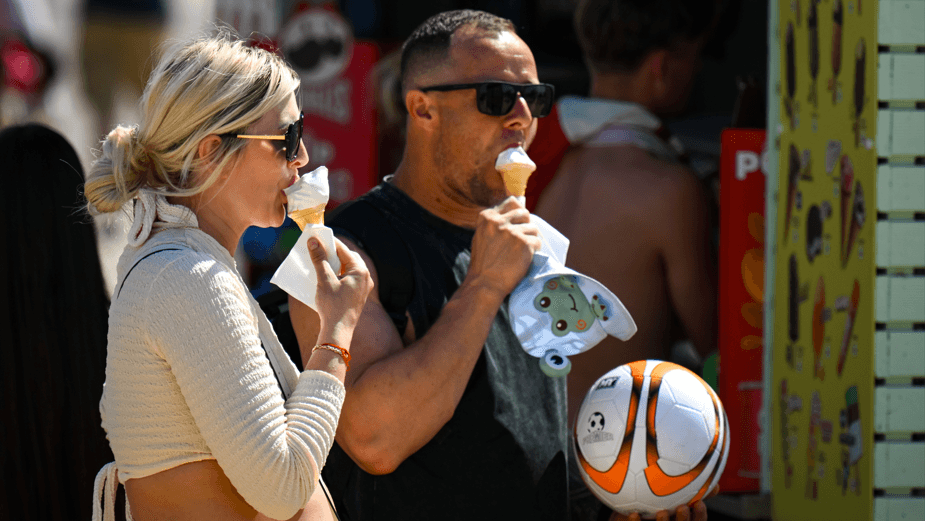
Summer warmth returns to the UK this week with highs of 28C, but rain lingers for some.
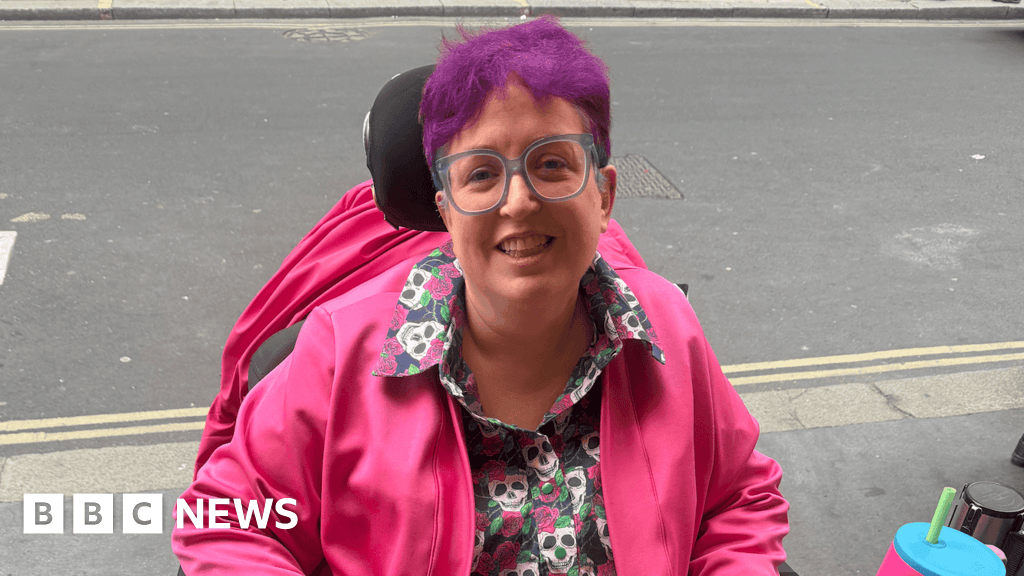
Disabled social worker Vikki Walton-Cole highlights court accessibility issues.
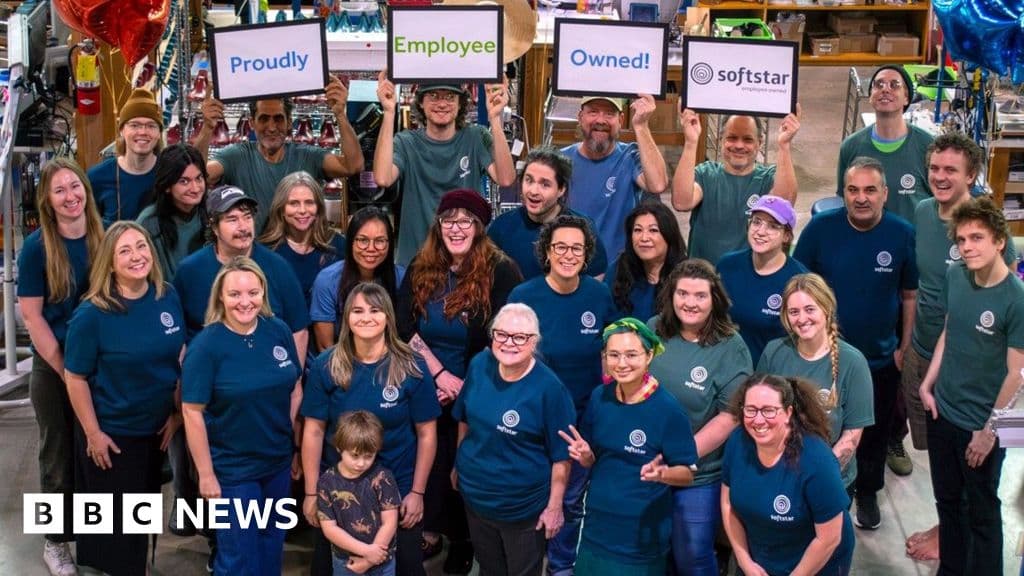
Softstar Shoes in Oregon is now owned by its employees as founder plans retirement.

Millions can reduce their bills with social tariffs - find out how!
See every story in News — including breaking news and analysis.
Companies based in Mercosur countries have also expressed fear of tough competition from European peers in hi-tech industries.