
‘You can stop your war’: Zelenskyy’s open letter to Putin – in full
Zelenskyy calls for a face-to-face meeting with Putin to end the war in Ukraine.
The Guardian World1 min read

Civil society groups are urging the UK government to consult them before granting new powers to the Charity Commission, warning it could suppress legitimate advocacy. They express concerns that proposed measures may mischaracterize lawful activities and hinder community engagement.
Mentioned in this story
Several leading civil society organisations have urged the government to consult the sector before introducing new powers for the Charity Commission, which they warn risks “suppressing legitimate advocacy” at a time when civic space is under increased pressure.
Signatories including leaders from some of the UK’s largest civil society bodies, alongside faith-based and community organisations, wrote to the culture secretary, Lisa Nandy, saying the proposed social cohesion measures could lead to the “suppression of lawful advocacy, campaigning and community engagement”.
The letter, which was signed by leaders from the National Council for Voluntary Organisations, the Muslim Charities Forum, Quakers in Britain and Oxfam, among others, warns against a government proposal to introduce broader grounds on which organisations could be reported for extremism.
“In the absence of clear safeguards and well-defined thresholds, the proposed expansion of the Charity Commission’s powers to remove trustees and close organisations, could be applied in ways that mischaracterise legitimate civil society activity,” the letter said.
“This, in turn, may contribute to the suppression of lawful advocacy, campaigning, and community engagement, particularly for organisations working on sensitive or contested issues, including those led by or representing diverse communities.”
The letter comes as the UK has experienced a rise in race and religious hate crimes in recent years and as the government recently adopted a non-statutory definition of anti-Muslim hostility.
In a policy paper Protecting What Matters, which was published in last month, the government pointed to technological, demographic and economic changes – alongside a rise in extremism and foreign influence – as reasons the UK’s social cohesion is “under strain”. It said the focus on social cohesion was a “key tool of national resilience” in facing a “more uncertain world”.
Solutions included investing more in local communities, developing a cross-government integration strategy and tackling hate and discrimination. The policy paper included an £800m investment over 10 years for 40 areas where social cohesion was under pressure in England, as well as £11.5mn in local convent partnerships.
However, civil society organisations have said proposed measures that could allow the Charity Commission to tackle extremist abuse by extending its abilities to suspend trustees and shut down charities could “contribute to the suppression of lawful advocacy”.
Fadi Itani, the chief executive of the Muslim Charities Forum, said: “There must be zero tolerance for hate and unlawful conduct. But unclear or overly broad powers risk deepening the chilling effect across civil society, silencing legitimate advocacy at the very moment it is needed most.”
The new powers include broader grounds for reporting organizations for extremism and the ability to remove trustees or close organizations.
Signatories include leaders from the National Council for Voluntary Organisations, the Muslim Charities Forum, Quakers in Britain, and Oxfam.
The proposed powers could mischaracterize legitimate civil society activities, potentially suppressing advocacy, campaigning, and community engagement, especially for sensitive issues.
Zelenskyy calls for a face-to-face meeting with Putin to end the war in Ukraine.
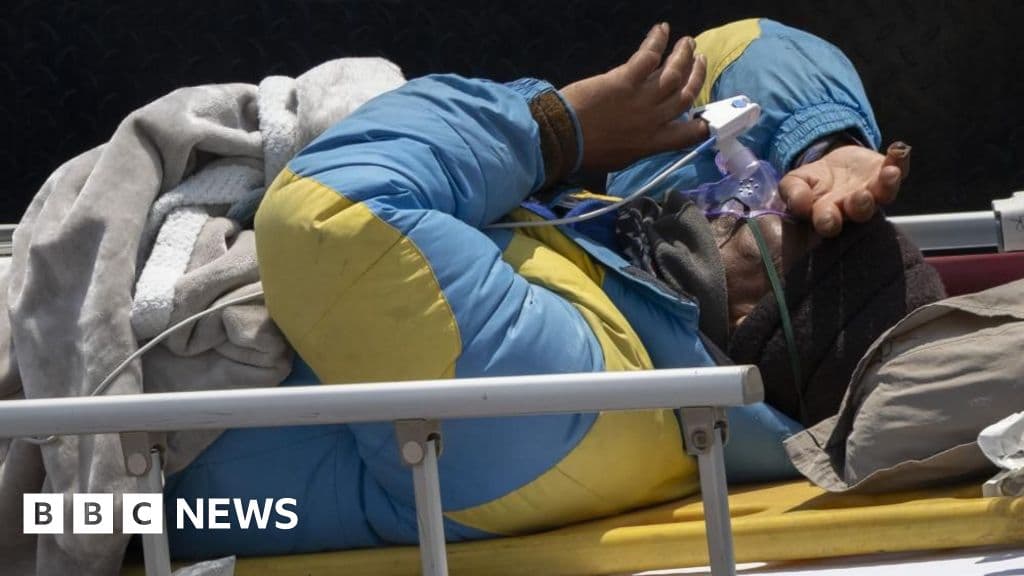
Climber Chris Thrall shares his emotional story of losing guide Dawa Sherpa on Everest, who survived six days alone.

Mogadishu clashes intensify as Somalia faces a political crisis over election tensions.

US officials tackle flesh-eating screwworm outbreak using flies and sniffer dogs.

Barnaby Joyce has retracted his statement about One Nation's housing policy, clarifying that permanent residents will not be forced to leave their homes. Instead, the policy targets foreign owners, requiring them to sell properties within two years.

In a second break with Trump, the House passes a bill to aid Ukraine and sanction Russia.
See every story in News — including breaking news and analysis.
The letter also said that environment, Muslim-led and racial justice organisations already faced disproportionate scrutiny and were subjected to heightened regulatory pressure and reputational attacks that marginalised diverse voices and posed an existential threat to organisations.
It called on the government for a transparent consultation with the sector and emphasised the independence of regulators. The Department for Culture, Media and Sport has been approached for comment.
Paul Parker, the recording clerk at Quakers in Britain, said: “It’s vital that government strikes the right balance between suppressing hatred and allowing, even welcoming, dissenting voices in the public square.
“Sadly this measure risks imposing yet another constraint on civil society’s ability to speak out, and I urge the government to think again.”