
Police chief warns anti-white bias claims could drive UK policing ‘back to 60s’
UK police chief warns false anti-white bias claims could set policing back to the 60s.
The Guardian World1 min read

Central bank leaders from the UK, US, and EU will participate in a war game in Washington to assess responses to a potential bank collapse. The exercise aims to address rising concerns over global financial stability amid risks from AI and market disruptions.
Mentioned in this story
The bosses of the central banks and treasuries of the UK, US and EU are to take part in a war game in Washington on Saturday to test how they would handle the collapse of a globally significant bank.
Amid growing unease over the risks to global financial stability, the most senior officials from the US Federal Reserve, the European Central Bank and the Bank of England – including its governor, Andrew Bailey – are expected to take part.
In a so-called “desktop” stress test, behind closed doors in the US capital, the exercise will include the authorities wargaming how they would respond to another Lehman Brothers-style collapse.
It comes as banking regulators from around the world sound the alarm over the growing risks to financial stability from AI, risky private credit lending, and potential disruption in markets linked to the US-Israel war on Iran.
Finance ministers, executives and regulators discussed the potential risks as they gathered in Washington for the International Monetary Fund and World Bank spring meetings this week, including warning that the latest AI models from US tech companies could pose serious threats to financial stability.
It comes amid fears over the capabilities of the US tech company Anthropic’s Mythos AI model, which experts warned last week posed an unprecedented risk because of its ability to expose flaws in IT systems.
Bailey, who also chairs the Financial Stability Board of global regulators, said such risks could threaten banks. “It is a very serious challenge for all of us. It reminds us how fast the AI world moves,” he said.
It is expected that the senior officials from the US, UK and EU will stay on in Washington after the end of the IMF meetings for the wargaming exercise, which is to be held at the offices of the Federal Deposit Insurance Commission (FDIC) – the organisation that guarantees US bank deposits.
The FDIC, which called the event a “trilateral principal level exercise,” said the meeting would be used to coordinate how multiple regulators would respond to the collapse of a global bank. It did not disclose the details of its stress-test, or if it included an assessment of cyber risks.
The war game aims to test how central bank leaders would respond to the collapse of a globally significant bank, similar to the Lehman Brothers incident.
The exercise involves the US Federal Reserve, the European Central Bank, and the Bank of England, including its governor, Andrew Bailey.
The war game is prompted by concerns over financial stability risks from AI, risky private credit lending, and potential market disruptions related to the US-Israel conflict.
UK police chief warns false anti-white bias claims could set policing back to the 60s.

Senate Republicans have abandoned plans to allocate $1 billion for security improvements at Donald Trump's White House ballroom, fearing it could jeopardize immigration funding. The decision follows a congressional standoff and a ruling that the funding did not comply with budget reconciliation rules.

Rubio states most of the world believes Israel has nuclear weapons.

Trump signs order to facilitate firing of 8,000 high-paid federal workers

What we know about the murder of Henry Nowak and Vickrum Digwa's sentencing
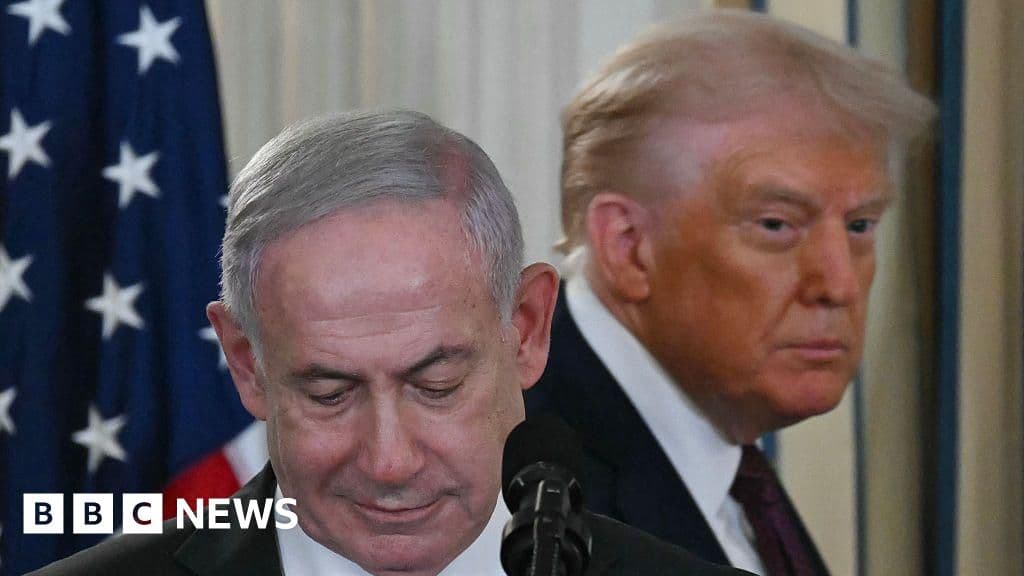
Trump's phone call with Netanyahu complicates US-Iran diplomacy
See every story in News — including breaking news and analysis.
“These exercises enhance understanding of each jurisdiction’s resolution regime for global systemically important banks (G-SIBs), strengthen coordination on cross-border resolution, and promote confidence in and commitment to the orderly resolution of G-SIBs,” the FDIC said in a statement.
Since the collapse of Lehman Brothers in the 2008 financial crisis, such stress-testing exercises have become commonplace among regulators, with the aim to prevent a repeat of a major bank failure.
The weekend after the IMF meetings is also often used because central bank chiefs and finance ministers are already gathered together, affording them a rare opportunity to run a face-to-face exercise involving the bosses of each institution.