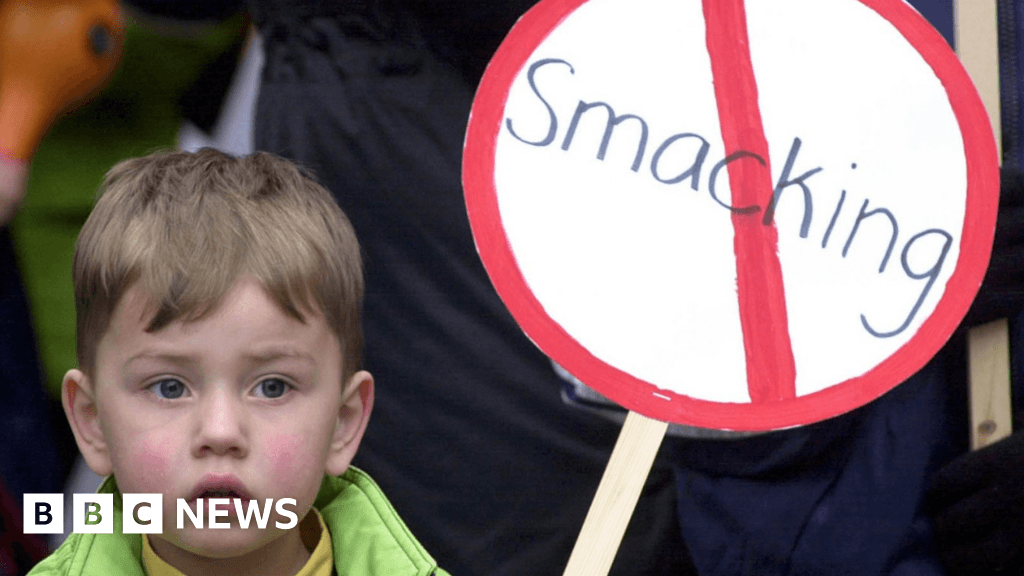
Smacking children could lead to lower GCSE grades, study suggests
Research suggests smacking children leads to lower GCSE grades and risky behavior.
BBC News1 min read

Canada has introduced a bill to ban social media for children under 16, with exceptions for compliant platforms. This follows Australia's similar ban and aims to enhance digital safety standards for AI chatbots.
The Canadian government has introduced a new digital safety bill that would ban social media for children under 16, with exemptions for platforms that meet certain safety standards, months after Australia enacted the world’s first social media ban for children.
The bill, unveiled on Wednesday, also aims to make artificial intelligence chatbots safer by establishing a digital regulator to set safety standards, a government official said.
Its introduction in parliament comes weeks after families affected by one of the country’s worst mass shootings sued OpenAI, alleging that the company knew that the alleged killer had been planning the attack on ChatGPT but did not warn the police.
Australia became the first country to ban social media for children under 16 in December. A month after its law was introduced, social media companies collectively deactivated the accounts of nearly 5 million teenagers.
France, Denmark and Poland are also considering tightening rules around social media use for children, while Greece in April announced that it would ban access for those under the age of 15 from January 2027.
Canadian government officials in a technical briefing said it could take a year for the bill to pass and 18 months to set up the digital regulator once it does.
Prime Minister Mark Carney has a slim majority in Parliament, which is due to break for summer recess soon.
In its proposal for Bill C-34, the government said that apart from individual behaviour, online harms “are also shaped by how digital services are designed and operated. Features such as algorithmic recommendation systems, engagement-based feeds, autoplay, and endless scrolling can amplify harmful content and increase exposure, particularly for young users.”
AI has added new challenges, and “voluntary action by digital services has not kept pace with the scale, speed, and severity of online harms”, the government said.
Against that backdrop, the bill aims to set up new safety requirements for social media services and AI chatbot services, requiring these services to identify risks of harm on their platforms, adopt measures to address certain risks, implement safety-focused and age-appropriate design features, make user guidelines available, provide tools, such as blocking and flagging, and submit publicly disclosed digital safety plans, it said.
It also wants platforms to remove content that “sexually victimizes a child”, or includes the non-consensual sharing of intimate images, within 24 hours of being flagged, according to local media reports.
The new digital safety bill aims to ban social media for children under 16, allowing exceptions for platforms that meet specific safety standards.
Australia was the first country to ban social media for children under 16, implementing the law in December, while Canada introduced its bill months later.
France, Denmark, and Poland are looking into tightening social media rules for children, while Greece plans to ban access for those under 15 starting January 2027.
Research suggests smacking children leads to lower GCSE grades and risky behavior.

Patrick Bruel, French pop star, charged with rape and sexual assault in major #MeToo case.

Discover which World Cup stars hail from your area!
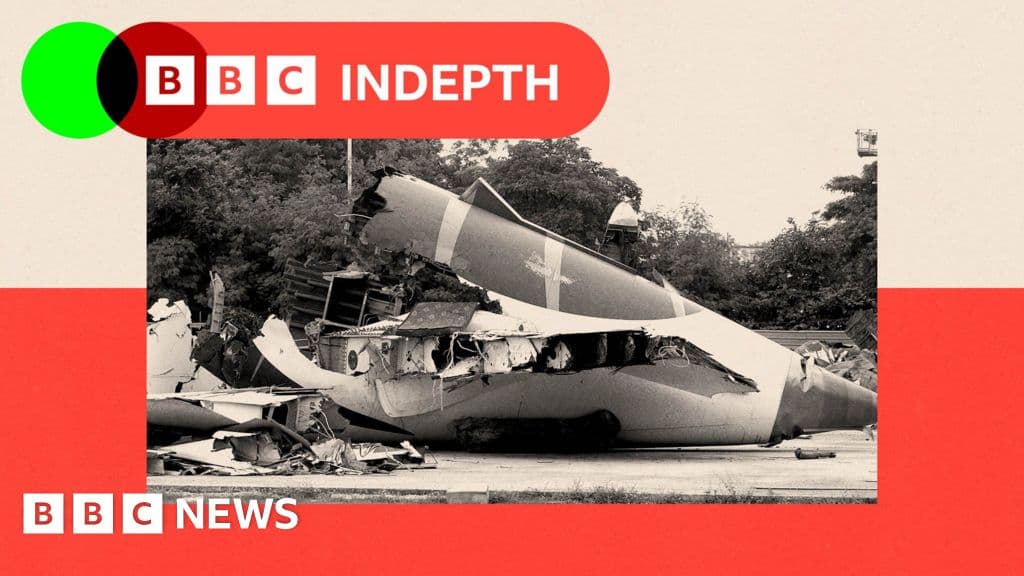
Intense controversy surrounds the investigation of Air India flight 171 crash.

Olivia Rodrigo braves the rain while finalizing her new song 'Maggots For Brains'.
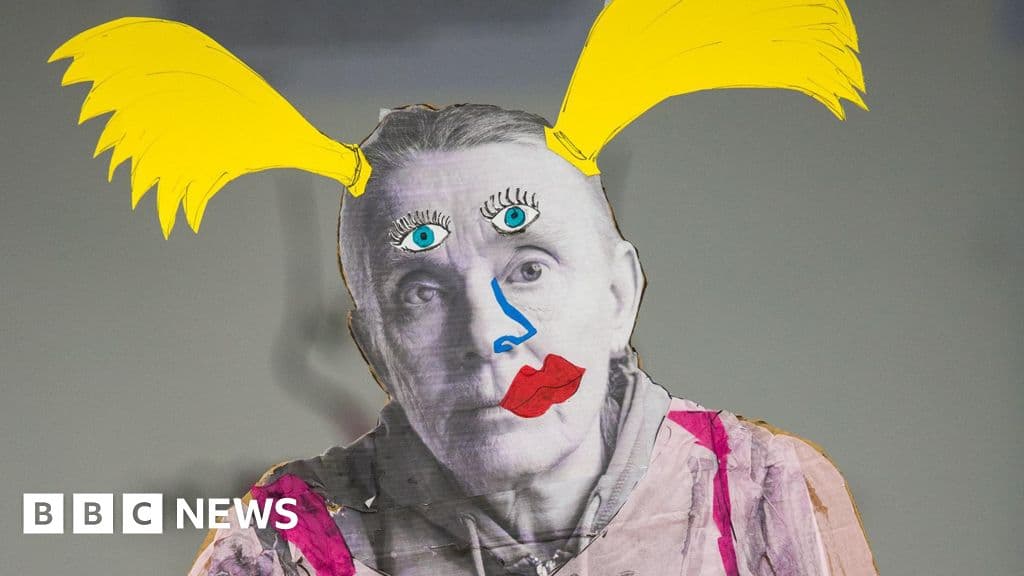
Dozens of female playwrights unite for 'All the Rage' in London, expressing anger over Epstein.
See every story in News — including breaking news and analysis.