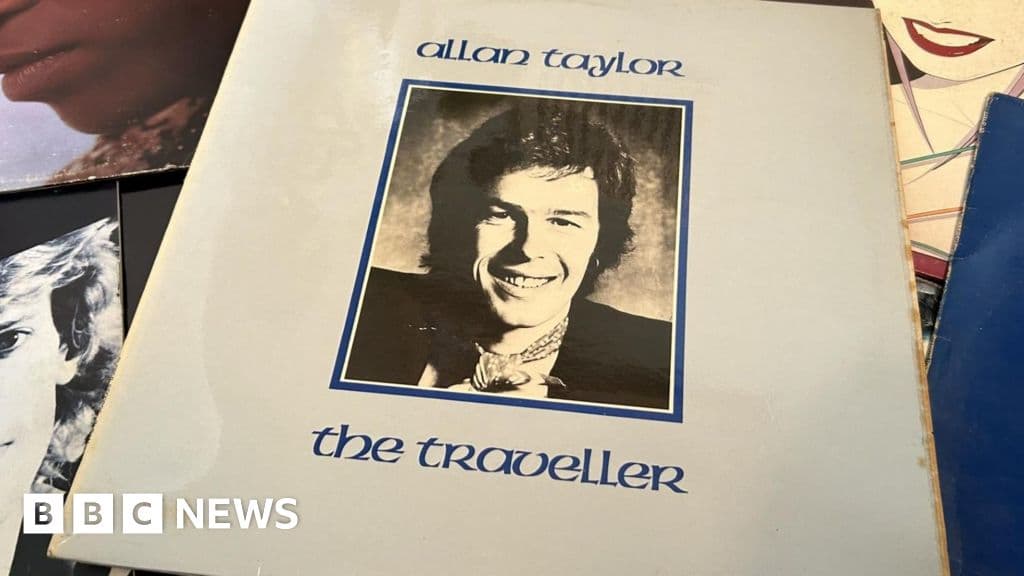
Ed Sheeran found this record in a second-hand store - now it's finally getting attention
Ed Sheeran brings attention to Allan Taylor's 1978 album 'The Traveller' found in a second-hand store.
BBC News1 min read
The government will implement biometric checks in prisons following the release of 179 inmates in error over the past year. This decision comes after an independent review highlighted systemic issues in the prison system.
The government has said it will roll out biometric checks in prisons after new figures revealed 179 people were freed in error in the year to March.
It came as the findings of an independent review criticised recent mistaken releases as "simply one symptom of a broken system".
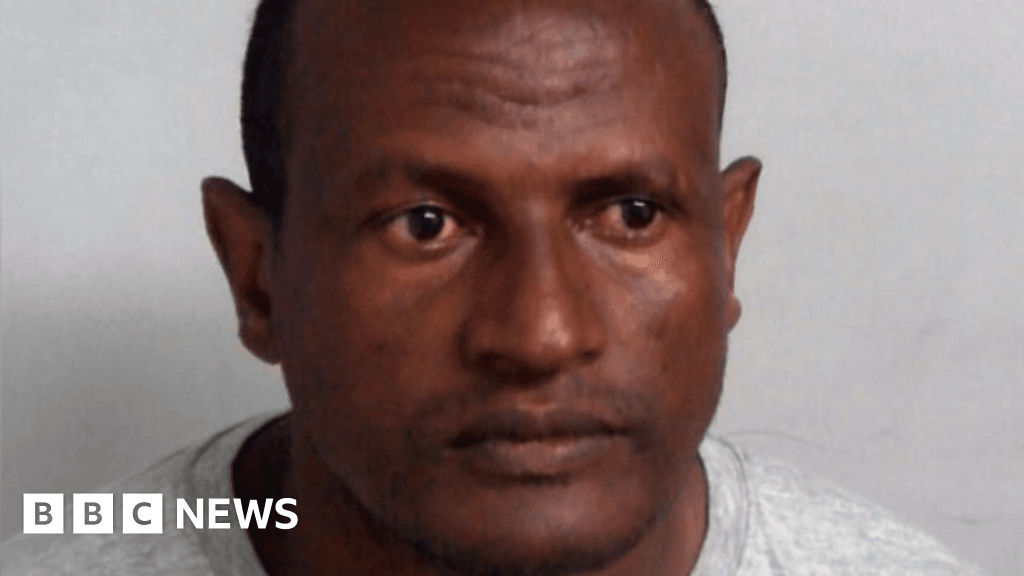
Dame Lynne Owens's review was commissioned after Hadush Kebatu was mistakenly freed from an Essex prison in October 2025, where he had been jailed after sexually assaulting a 14-year-old girl and a woman while living in an asylum hotel.
Deputy Prime Minister David Lammy said her findings made clear the "unacceptable" rise in mistaken releases, and that the government would "bring the prison system into the 21st century".
The 179 prisoners released in error in England and Wales marks a drop from the previous year, when the number was 262.
But it remains elevated - in 2023-24, the figure was 115.
Releases in error can include misplaced warrants for imprisonment or remand, sentence miscalculations, or the result of mistakes by courts or other authorities, the Ministry of Justice (MoJ) said.
Lammy said he would accept all 33 recommendations made by Dame Lynne, former deputy commissioner of the Metropolitan Police, in her report.
Trials of biometric fingerprint and facial recognition will begin within six months, he said, with a full roll-out expected before the end of this parliament.
£82m would be spent to "bear down on these errors and keep the public safe after years of chaos," he said, including £20m this year "to digitise the archaic paper-based processes we inherited" and increasing checks and staffing.
Lammy also expressed his "profound sympathies to the victims of those prisoners who were released in error, especially to Hadush Kebatu's victim", adding that he had met the victim's family in December.
Kebatu was meant to be taken to a deportation centre when he was instead released from HMP Chelmsford.
A high-profile manhunt followed; his initial arrest had prompted protests near the Bell Hotel in Epping, where he had been living, against the use of hotels to house asylum seekers. Demonstrations soon spread to other parts of the country.
He was re-arrested after two days and deported to Ethiopia.
Within a fortnight of Kebatu's release, it emerged that two other men had been freed in error - both from the same prison, London's HMP Wandsworth.
The increase in mistaken releases is attributed to systemic failures within the prison system, as highlighted by an independent review.
Last year, 262 prisoners were released in error, while this year the number decreased to 179.
The government plans to roll out biometric checks in prisons to help prevent future mistaken releases.
Ed Sheeran brings attention to Allan Taylor's 1978 album 'The Traveller' found in a second-hand store.
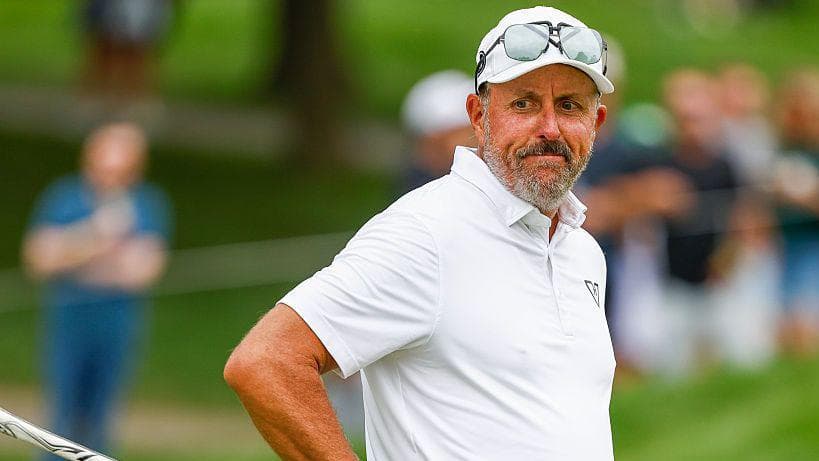
Phil Mickelson's golf club membership revoked amid allegations of misconduct.

US Justice Department greenlights $111 billion merger of Paramount and Warner Bros Discovery.

Canada salvages a draw against Bosnia in World Cup opener

Trump's new order may restrict Census data, impacting policymaking and research.

Scientists unveil a blood test that can find thousands of genetic conditions in pregnancy, reducing invasive screening needs.
See every story in News — including breaking news and analysis.
After police manhunts, William Smith handed himself in and Brahim Kaddour-Cherif was rearrested.
The government subsequently implemented new security measures including a "clear checklist" for prison governors to follow when releasing prisoners, and commissioned Dame Lynne's review to prevent further incidents.