
China arrests a U.S. scholar with a history of Myanmar activism, suspected of spying
China detains U.S. scholar Min Zin, known for Myanmar activism, on espionage charges.
NPR Topics: News1 min read

Dr. Ittai Gradel, the antiquities dealer who exposed thefts at the British Museum, has died at 61 from renal cancer. He reported the thefts after purchasing stolen artefacts online, prompting an ongoing police investigation.
Mentioned in this story
The academic turned antiquities dealer who exposed the theft of hundreds of artefacts from the British Museum has died aged 61.
Dr Ittai Gradel, from Denmark, alerted the British Museum and the police after he was able to buy dozens of museum artefacts on eBay over the course of several years.
Gradel died of renal cancer days after receiving a rarely presented medal from the museum in recognition of what its director called his “very significant contribution”, according to the BBC.
A police investigation is still ongoing, more than three years after the museum reported the thefts to Scotland Yard after pressure from Gradel. Before his death in a Danish hospice, Gradel – who would have been a key witness in any trial – told the BBC it was “a bit annoying” he wouldn’t live to see the resolution of the case.
Gradel had tried to persuade the museum to investigate the thefts in 2021, when he first suspected gems from the museum’s collections were being sold online for as little as a few pounds apiece. He accused the museum of initially stonewalling him and “sweeping it all under the carpet”.
Two years later, following its own investigation, the museum announced that 2,000 items from its collection, mainly classical gems and gold jewellery from the ancient Mediterranean area, were stolen, missing or damaged.
The events, which made headlines around the world, led to the resignation of the museum’s then director, Hartwig Fischer, who admitted it was “evident that the British Museum did not respond as comprehensively as it should have” to Gradel’s earlier warnings.
Gradel had reported that he and other antiquities dealers had unintentionally bought items online that came from the British Museum’s collection. He said he suspected that a senior curator at the museum had been stealing, and provided a PayPal receipt featuring the name of the curator he suspected of selling them, Peter Higgs.
Higgs, an expert in Greek antiquities, denies any wrongdoing. He had worked at the British Museum for 30 years before being sacked.
But the museum dismissed Gradel’s concerns, even after he persuaded another dealer to return an olive green gemstone he had bought on eBay.
Dr. Ittai Gradel alerted the British Museum and police after purchasing stolen artefacts on eBay, exposing the theft of hundreds of items.
Dr. Ittai Gradel died of renal cancer shortly after receiving a medal from the British Museum for his contributions.
Gradel's actions led to a police investigation into the thefts, which has been ongoing for over three years.
Dr. Gradel expressed frustration that he would not live to see the resolution of the case, despite being a key witness.
China detains U.S. scholar Min Zin, known for Myanmar activism, on espionage charges.

US judge indefinitely blocks Trump's $1.8bn anti-weaponisation fund aimed at compensating alleged victims.

Trump announces potential US-Iran peace deal while threatening military action.

Ousmane Dembele says criticism of Kylian Mbappe has gone too far
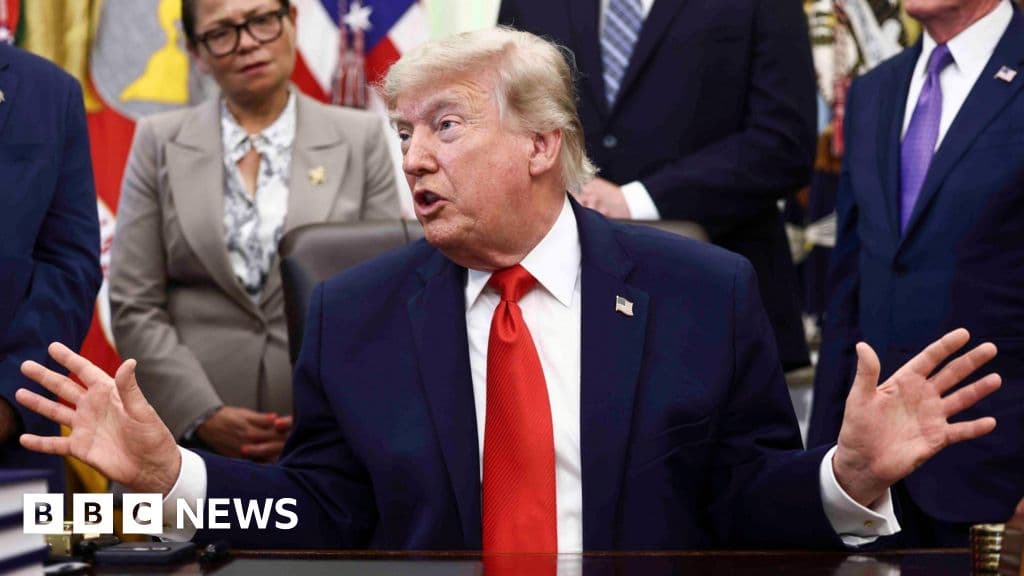
Trump accuses Iran of leaking false details about a peace deal.

Pro-Russian Strong Armenia party demands annulment of election results due to alleged irregularities.
See every story in News — including breaking news and analysis.
Five months later, the museum’s then deputy director, Jonathan Williams, wrote to Gradel to say all the objects were accounted for and his claims were unfounded. It later transpired that the thief allegedly faked a handwritten note saying that particular gemstone had been stolen in 1963.
Awarding Gradel the British Museum medal ahead of his death, the director, Nicholas Cullinan, wrote to him saying it was “a sign of our esteem … in recognition of your expertise and of your passionate determination that wrongs should be righted”.
Gradel was born in 1965 in Haifa, Israel, to a British father and a Danish mother, and moved to Denmark when he was two years old. He moved to the UK aged 18 and quickly fell in love with the British Museum.
His cancer was first diagnosed in 2010 and returned in 2022. He said he knew he “had to get this finished before I was on my deathbed”.
He added: “I didn’t do the museum a favour by revealing these thefts, because it did damage to the institution. But I had no choice. However, I did the museum a huge favour in assisting it in getting a new and better management.”
In total, Gradel signed more than 360 items back to the British Museum that he had purchased online. The museum has since announced plans to digitise its collection.