
Barclays to buy GoHenry kids’ debit card and money app
Barclays is buying GoHenry, a kids' debit card app, to target young users.
The Guardian World1 min read
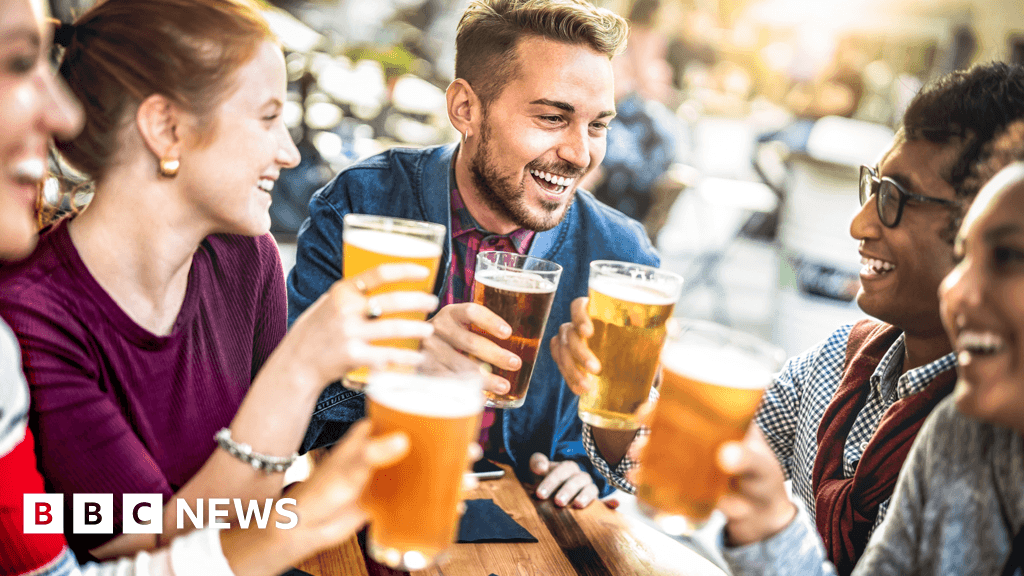
New research suggests that drinking beer can provide substantial levels of vitamin B6, essential for brain health. A single serving of beer may meet about 15% of the daily B6 requirement.
Drinking the odd pint of beer can provide "substantial levels" of an essential brain-boosting vitamin in your diet, according to new research in a respected journal.
The vitamin B6 is good for the brain, blood and immune system and is found in a wide variety of foods.
A beer "serving" might meet around 15% of your daily B6 requirement, the authors say, and even alcohol-free lager could have the same effect.
Many of the raw ingredients used to make beer, including barley, wheat and brewer's yeast, contain vitamin B6 and the brewing process doesn't kill it all off, research suggests.
B6 is an essential nutrient that we get through food. Good sources of B6 are meat and fish, but it's also present in other foods, including porridge oats, potatoes and chickpeas. Many breakfast cereals have added B6 too.
Being truly deficient in B6 is rare, although sometimes levels can be a bit low, often alongside a lack of other B vitamins, such as B12, which can leave you feeling tired and nauseous.
The study, which tested 65 different beers bought from local supermarkets in Germany, found:
Men need about 1.4mg a day and women 1.2mg of vitamin B6, according to the NHS. A litre of beer can contain anywhere between 0.3mg and 1mg, the research suggests.
If you stick within recommended alcohol limits, that's not enough for regulators to allow you to put a sticker on the front of a bottle hailing its vitamin content, but it's still a measurable amount, says study author Prof Michael Rychlik.
The findings are useful "only for consumers who want to optimise their vitamin intake", he adds.
Traditional German bock beer contained the most B6 out of all the beers tested because of its relatively high alcohol content, starting at around 6.5%.
Bridget Benelam, from the British Nutrition Foundation, says having low levels of B6 is rare in people in the UK because it's found in so many foods.
"We wouldn't suggest that beer or any alcoholic drink is seen as a key source of nutrients. That should be from diet," she says.
"Unless you are eating a very restricted diet, it's unlikely that you are not going to be getting enough vitamin B6."
If you have other health issues, like alcoholism or chronic kidney disease, then you might experience problems, says Benelam.
Vitamin B6 is beneficial for brain function, blood health, and the immune system.
A serving of beer may meet around 15% of the daily vitamin B6 requirement.
Yes, even alcohol-free lager can provide substantial levels of vitamin B6 similar to regular beer.
Barclays is buying GoHenry, a kids' debit card app, to target young users.

Key FISA provision set to expire as Trump faces backlash over DNI appointment

Watford legend Kenny Jackett passes away at 64

Will Iraq's Prime Minister Ali al-Zaidi succeed in disarming paramilitary groups?

Nineteen people arrested, including a teen, after violence in Northern Ireland and an arson attack.
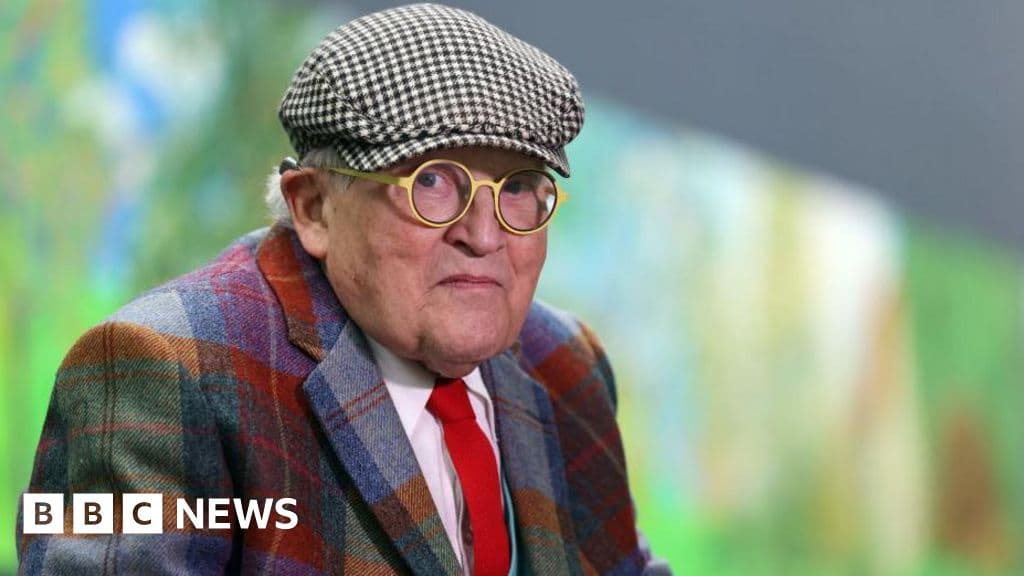
David Hockney, the iconic British artist known for his diverse work, has passed away at 88.
See every story in News — including breaking news and analysis.
She recommends focusing on other important B vitamins like B12 and riboflavin, also known as B2, which are typically found in dairy and animal foods.
"They play roles in metabolism and releasing energy," she explains.
She advises people who are vegan to choose fortified milk and yoghurt substitutes to absorb more of these vitamins.