
What the US-Iran peace deal means for the ‘Team Melli’ World Cup campaign
What the US-Iran peace deal means for Team Melli's World Cup campaign
Al Jazeera English1 min read
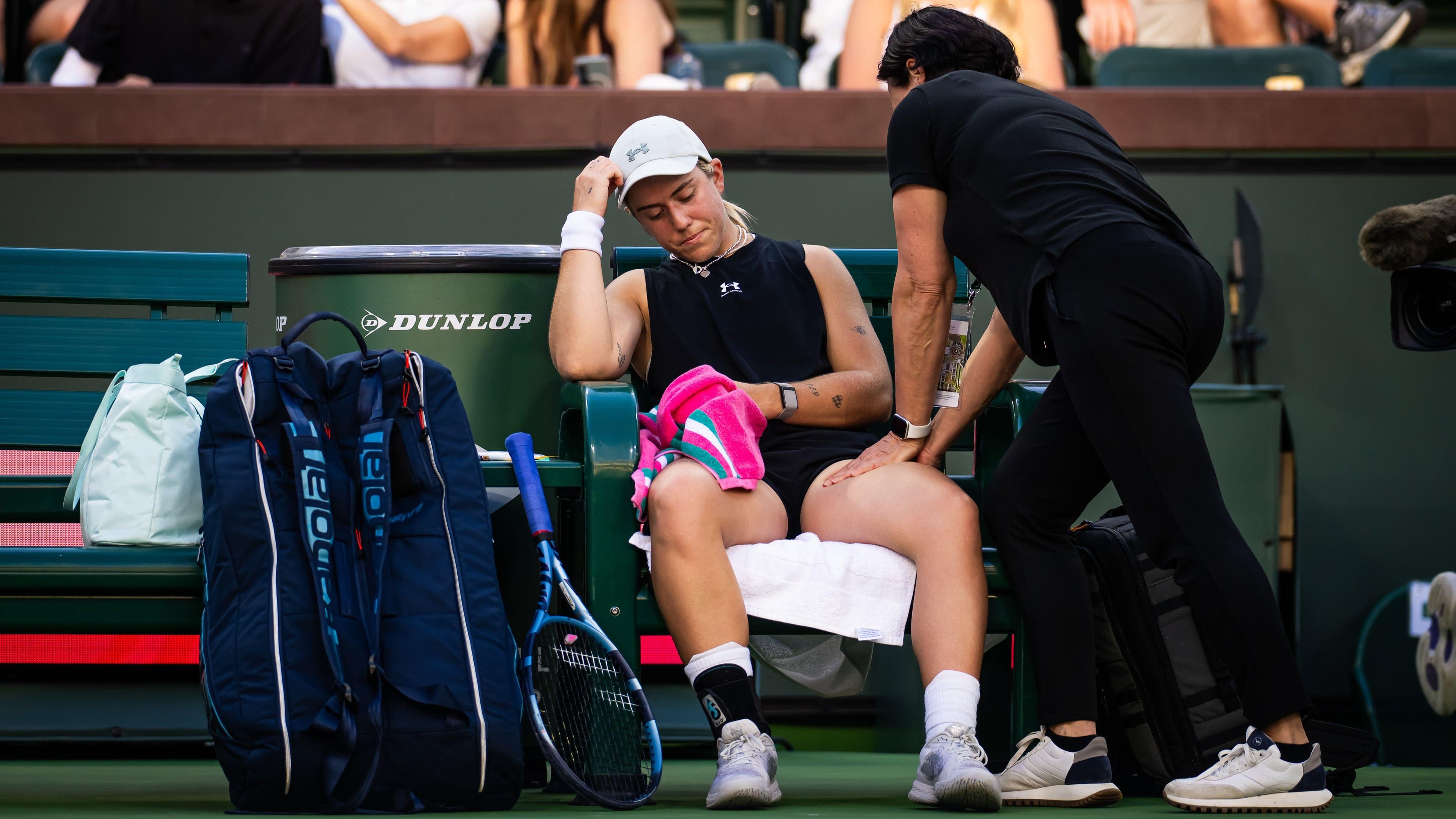
British tennis players are facing significant injuries, including Jack Draper's knee and Emma Raducanu's viral infection. This has led to a strain on resources during the clay-court season.
Mentioned in this story
For Jack Draper it has been his right knee, Sonay Kartal her back and Jacob Fearnley his rib.
Add in the viral infection that has kept Emma Raducanu off the tour for two months and counting, and you can see why Britain's top 100 resources have been stretched so thinly during this clay-court season.
It is not, of course, an exclusively British problem.
Carlos Alcaraz will not defend his French Open title because of a wrist injury, while world number seven Taylor Fritz has been resting and rehabbing a long-term knee problem since March.
The Lawn Tennis Association (LTA) internally audits the injuries suffered by British players and says there is no repeat pattern.
But performance director Michael Bourne says a high load on an athlete is a "key driver" of injuries - and in tennis that is very hard to control.
"Tennis players tend to play more matches than a lot of other sports," he explained.
"I did some research looking at who played the most hours in football last year. Federico Valverde from Real Madrid apparently played 101 hours, Bruno Fernandes of Manchester United 97.
"If you compare that to tennis, Jannik Sinner allegedly played 182 hours and Carlos Alcaraz 176.
"You don't get to substitute in a game of tennis - once you are on, you are on. Because of the nature of the match you don't get to control whether you are out there for three hours or five."
Of the six British singles players who began the year in the top 100, Cameron Norrie is the only one to have avoided injury or illness, and he has returned impressively to the world's top 20 in recent weeks.
Raducanu, 23, had been due to return at the Italian Open in Rome this week but withdrew after her media commitments on Tuesday with post-viral symptoms. Kartal is currently on track to reappear during the grass-court season, but the back injury the 24-year-old suffered during her run to the Indian Wells fourth round in March has cost her the entire clay swing.
Francesca Jones had a month out after a glute injury at the Australian Open and Draper's comeback from his serious arm injury has been checked by a knee problem, while Fearnley came through qualifying in Rome after a seven-week absence.
British number three Katie Boulter, who tumbled out of the top 100 last year as she battled foot and hip injuries, says it can be hard to step away even if players have information to suggest their bodies are at breaking point.
Fitness trackers, which offer performance analysts a wealth of data, will be allowed on a trial basis at this year's remaining three Grand Slams, as they have been for a while now on the men's and women's tours.
Jack Draper has a knee injury, Sonay Kartal is suffering from back pain, and Jacob Fearnley has a rib issue.
Emma Raducanu has been off the tour for two months due to a viral infection.
No, injuries are affecting players worldwide, including Carlos Alcaraz and Taylor Fritz.
The Lawn Tennis Association has conducted audits and found no repeat pattern in the injuries suffered by British players.
What the US-Iran peace deal means for Team Melli's World Cup campaign

Health experts criticize the Trump administration's quarantine measures for a hantavirus contact, labeling them authoritarian and unconstitutional. They warn this sets a dangerous precedent for handling future infectious disease outbreaks in the U.S.

Lloyds Banking Group launches recruitment for 300 tech experts in AI development ahead of strategic plan reveal.

Aging nuns in Uganda reflect on their contributions and seek care.
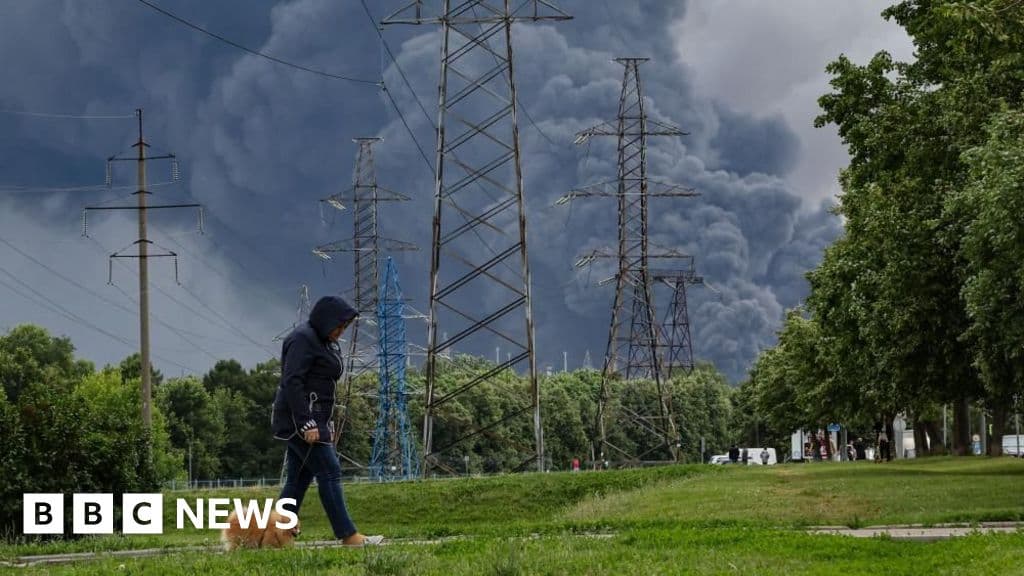
Moscow oil refinery hit by Ukrainian drone attack, escalating war tensions.

Israeli strikes in southern Lebanon killed at least seven people, including two children, despite a reported ceasefire. The ongoing violence jeopardizes a U.S.-Iran agreement aimed at ending the Middle East conflict.
See every story in News — including breaking news and analysis.
But Boulter, who has climbed back into the top 60, told BBC Sport: "I think it's impossible as a tennis player to be like, 'I'm going to take the week off because my wearable [device] says that I'm in red'.
"Financially, there might be people that don't have that luxury to stop a week out of their schedule and not play - the majority of us are still trying to make a living.
"I've played through many injuries, I've also stopped through many injuries. Ultimately you have to make the best judgement call you can.
"It's good to have that information, but it doesn't necessarily marry up sometimes."
The LTA has refreshed its entire physiotherapy staff over the past 18 months and believes it now has the right expertise to support the modern player. The next task is to consider how best to upgrade its recovery facilities.
British players have a lot more resources at their disposal than many other nationalities. An LTA physio was sent to Miami in March as Kartal started to realise the extent of her back problem, but the emphasis is also on players building their own support network.
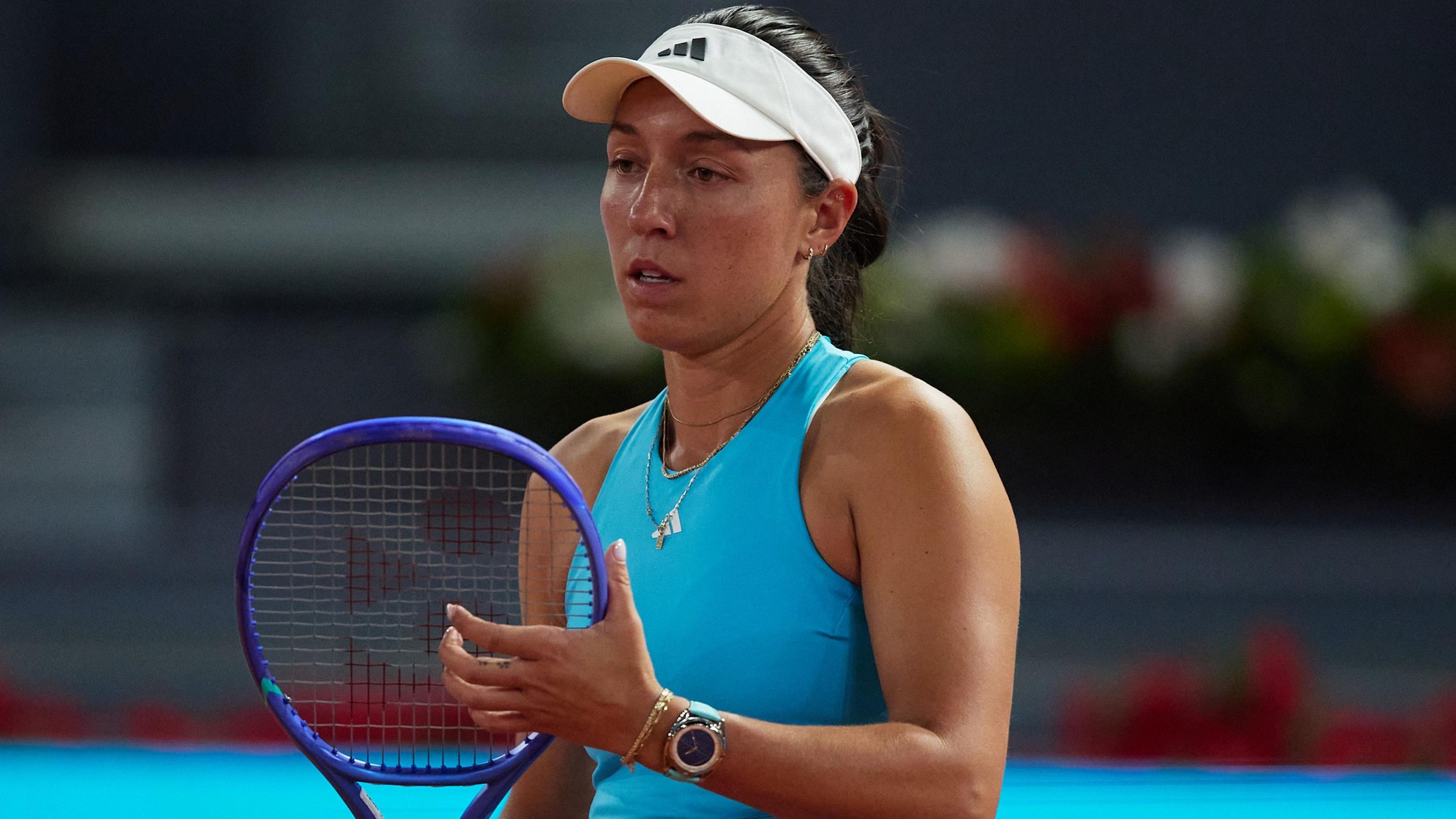
Image caption,
Jessica Pegula has played the third-most matches of any WTA player this season
There is wide consensus that an 11-month season is too long - and with it comes the extra risk of injury.
World number five Jessica Pegula is chair of the WTA Tour Architecture Council, which has been tasked with recommending changes that could be brought in as soon as next season.
"Right now it feels like you have to play every single week for 10 months and if you miss out, it can come back and bite you," Pegula told BBC Sport in Indian Wells.
"I don't think anyone should be forced to play if they are hurt or feel like they are forced to play, which it sometimes does."
Pegula would like to see more penalty-free withdrawals from the top events to avoid players having to perform injured or hurt.
It is mandatory for the top players to play all 10 WTA 1000 events and six 500-level tournaments - and there are four Grand Slams on top of that.
As well as recording zero ranking points at any event they miss, players also run the risk of points being deducted from their tally at the end of the season.
World number one Aryna Sabalenka can easily shoulder the penalties involved, but not all players can.
After playing 12 matches in Australia in January - winning the title in Brisbane and finishing runner-up at the Australian Open - Sabalenka skipped both of February's WTA 1000 events in the Middle East.
Pegula can also afford to be selective, and missing the Qatar Open paid immediate dividends when she won the Dubai title the following week.
"Doing so well in Australia, making the semis, I had always planned to go home before the Middle East so I was only going to have maybe three days at home," added the 32-year-old American.
"To fly from Australia back to Florida, and then fly 12 or 13 hours three days later to Doha, was something I'm not interested in at my age."