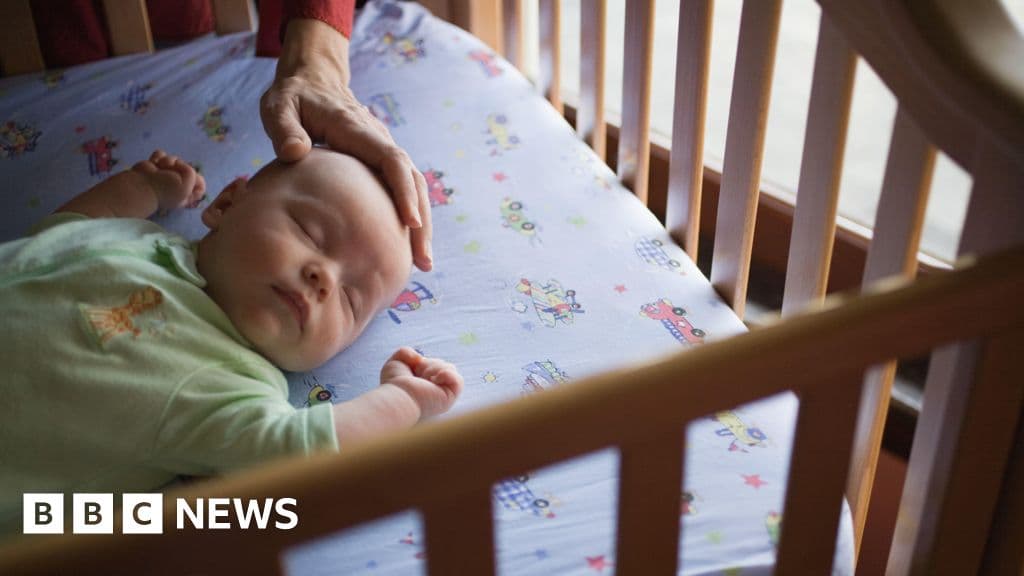
'Lives still at risk' from unregulated baby sleep industry after BBC investigation
MPs demand regulation of the baby sleep industry after BBC investigation reveals risks.
BBC News1 min read
Ukrainians brace for intensified Russian attacks, with over 41,000 people seeking shelter in Kyiv's metro. Despite the destruction, life in the capital continues amidst the grief and devastation.
Mentioned in this story
Ukrainians knew a huge strike was coming. Since Russia threatened to step up attacks on the capital, Kyiv, about a week ago, many spent nights in underground shelters.
We were two floors underground, and yet we could feel and hear the massive explosions above. Then came the Russian drones, possibly carrying more explosives or scouting out the damage done by the missiles. Then more missiles.
More than 41,000 people - including almost 4,500 children - sheltered underground in the Kyiv metro overnight, a record number in recent years, the metro company said.
Even though Moscow had said its attacks would get much worse, this one was not much different from what Kyiv had seen already, many times. Yet again, Russia said it would strike military targets, but civilians suffered.
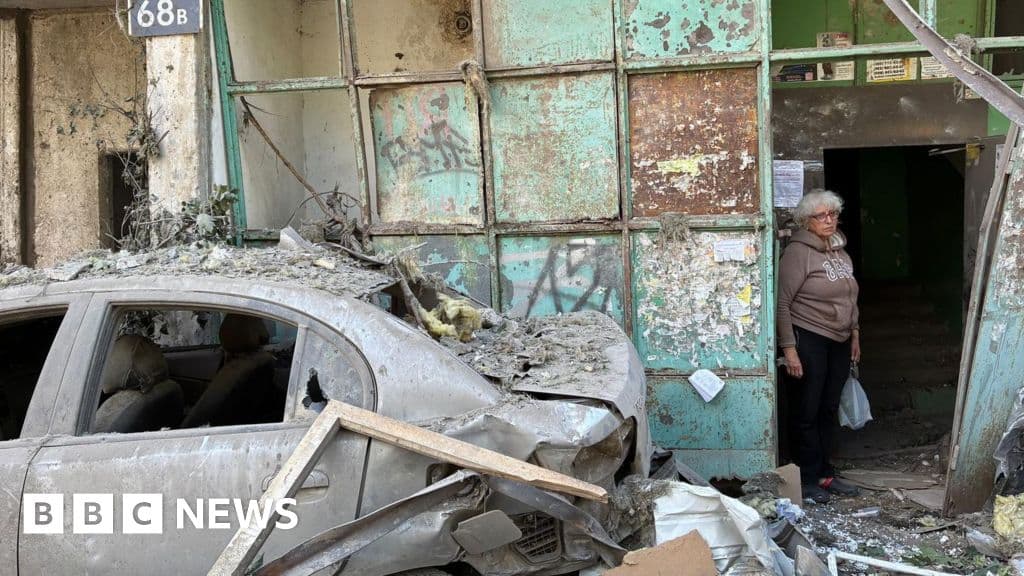
As they emerged from shelters after the attack, many were shocked to see their neighbourhoods completely transformed, for the worse. Windows smashed, cars turned into unrecognisable heaps of burnt, twisted metal.
In Kyiv, at least six people died that night, and there was death and destruction elsewhere in Ukraine. In Dnipro, at least 16 people were killed as two residential buildings were hit.
More than 90 people were injured across both cities, while Kharkiv in the north-east - which also saw its energy facilities and civilian infrastructure hit - reported 10 injured, including a child. Other regions across the country were targeted.
In Vynohradar, normally a sleepy suburb of Kyiv, we saw a scene of utter devastation. High-rise apartment blocks with windows smashed, shells of burnt-out cars on the pavements, dust and smoke in the air. Locals told us they had heard at least three massive explosions. Several of their neighbours were taken to hospital with severe injuries.
Anna lives in a nine-storey apartment block right next to the epicentre of one of the explosions. Tearfully, she told me that one of the cars completely destroyed by the blast was hers. But it is not just her car or her house that she is worried about.
"They'll fix the building, but not our souls," she said. "The whole of the building, the whole of Ukraine is in grief. What have we done to deserve this?"
The attack was followed by a massive effort to clean up the damage and help the survivors.
Outside Anna's house, rescuers were making sure everyone was physically OK, while government psychologists were talking to shell-shocked and sometimes tearful locals, and volunteers handing out free food and drink.
Police were shooing everyone away from the high-rises as shards of glass were still falling out of broken windows.
Nearby, neighbourhood boys joined municipal workers in clearing rubble from a children's activity centre, with painted purple butterflies still visible on what is left of its windows.
But step away from the epicentre of the blast, and a sense of normality begins to return. Around the corner from Anna's house, a couple of children were playing on a swing, looking in disbelief at all the bustle in their neighbourhood.
Over 41,000 people, including nearly 4,500 children, sheltered in the Kyiv metro overnight.
Russia launched missile strikes and deployed drones, claiming to target military sites, but civilians were affected.
Residents found their neighborhoods severely damaged, with smashed windows and burnt vehicles.
Many Ukrainians spent nights in underground shelters as they anticipated a significant increase in attacks.
MPs demand regulation of the baby sleep industry after BBC investigation reveals risks.

New rules for driving test bookings aim to reduce no-shows and waiting times.
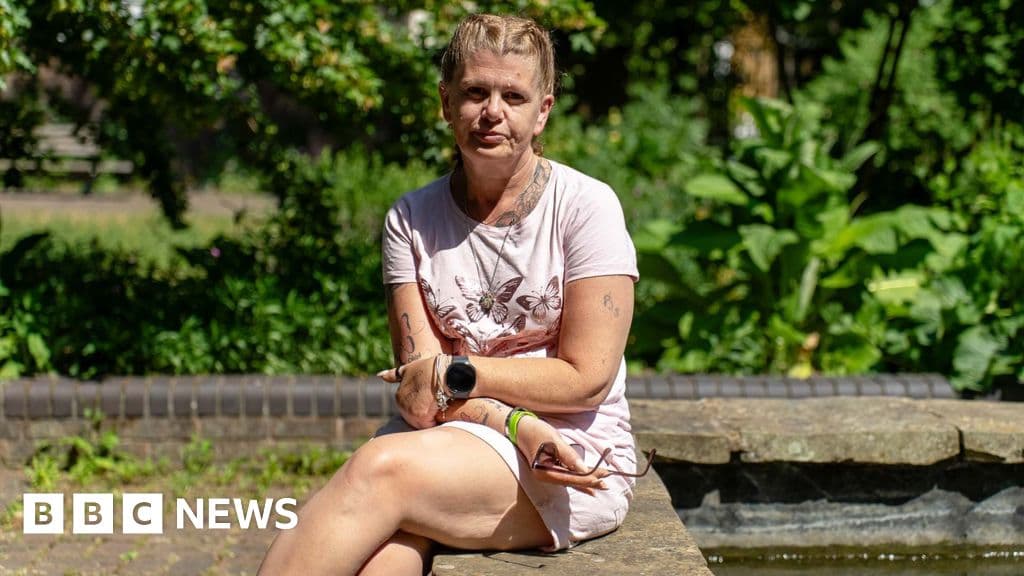
UK police warn of drug gangs 'cuckooing' homes, targeting vulnerable individuals.

A report reveals significant gender bias and victim-blaming in family courts, adversely affecting women. It highlights that 72.5% of analyzed judgments contained victim-blaming language, primarily targeting mothers.

Lawyers Warn AI Legal Assistants Cannot Replace Court Staff Funding

Promising results from England's JobsPlus job support pilot
See every story in News — including breaking news and analysis.
Even further away, road workers were laying new tarmac and buses were running as if nothing out of the ordinary was happening just a short distance away.
This is Kyiv's way of dealing with the war: no matter how hard it gets hit, the city still goes back to its daily routines.