What would ‘change’ look like if Andy Burnham becomes prime minister?

TL;DR
Andy Burnham's recent victory in Makerfield positions him as a potential candidate for prime minister. His allies advocate for swift action to implement promised changes, particularly in public ownership of utilities.
Key points
- Andy Burnham won in Makerfield
- He is being considered for prime minister
- Allies want swift change implementation
- Focus on public ownership of utilities
- Initial project to start with Thames Water
Mentioned in this story
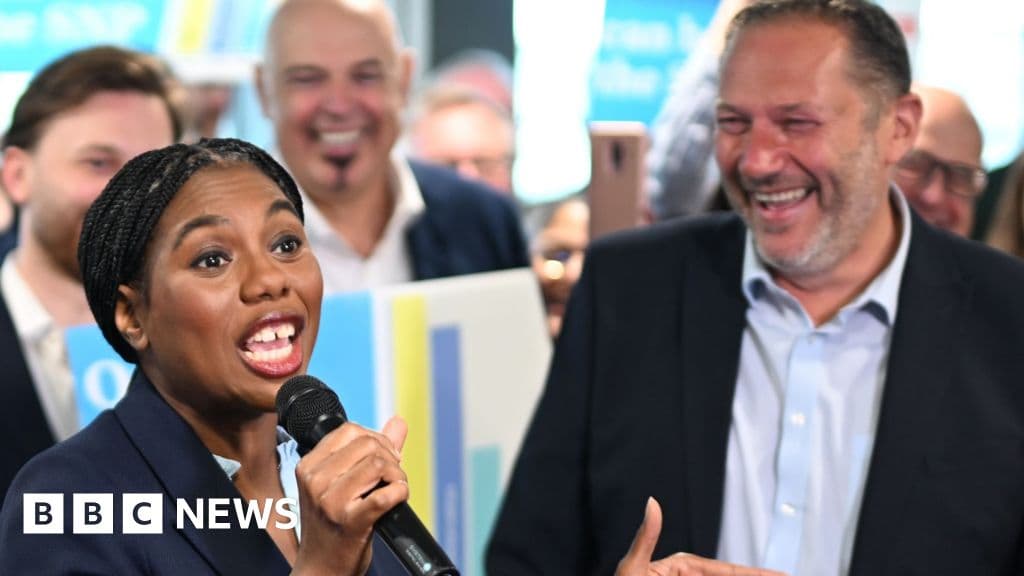
Andy Burnham’s victory in Makerfield sets up a battle for Downing Street. Allies of the outgoing Greater Manchester mayor want him to be installed as prime minister as quickly and painlessly as possible, while those close to Keir Starmer want the Labour leader to fight on.
If he does become prime minister, Burnham will be expected to deliver on the “change” he promised after his win on Thursday night. But what would that look like, and what policies would his government be likely to pursue?
-
1. Public ownership of utilities
Burnham’s allies talk about overseeing a 10-year project to take large parts of Britain’s water and energy sectors into public control. In reality, that process will start with Thames Water, the stricken utility over which creditors are currently haggling.
Earlier this week the environment secretary, Emma Reynolds, made clear her opposition to a proposed £10bn rescue deal for the company, bringing it one stage closer to being nationalised.
Other companies could follow, including South East Water, which has come under fire for overseeing multiple service outages.
Eventually Burnham’s allies want to bring energy transmission and supply companies, possibly including National Grid, into public control. But that is likely to take a much longer period of time, and could potentially cost billions of pounds in compensation for investors.
-
2. Cost of living support
Some of those close to the new Makerfield MP want him to focus first on easing the cost of living for many voters.
They talk about heavy state intervention to reduce people’s bills, including a temporary rent freeze and moving levies off energy bills and into general taxation instead.
This however could involve raising taxes to help pay for the extra government spending – forcing him into some difficult political choices.
Burnham has already promised to stick to Labour’s campaign pledges not to raise income tax, national insurance or VAT. And during the byelection campaign he went even further, saying he would consider cutting some employers’ national insurance contributions, and proposed reducing business rates for pubs.
That leaves Burnham with relatively little room to raise money elsewhere, although one option could be to raise rates of capital gains tax, as recently advocated by Wes Streeting, the former health secretary and potential leadership rival.
-
3. Devolution
Burnham said on Thursday night: “People here have voted for change, they have voted for more power for the north and everywhere forgotten by Westminster. Now let’s give that back to them.”
His words pre-empt what many believe will be a major shift of power away from Westminster and into the hands of regional leaders.
Starmer’s government is already working on some of this, including giving mayors a portion of revenues raised from business rates in their areas. But Burnham’s allies want him to go further, potentially putting major public services such as schools and hospitals into the hands of mayors.
-
4. Less control of MPs
One of Burnham’s most consequential changes could be one of his least noticed.
The incoming MP has talked about scrapping the “whipping” system in Westminster, which guarantees that members will mostly vote according to party lines.
Completely scrapping the system could cause chaos, leaving the government unable to implement its manifesto promises, and voters unsure of what voting for any particular party means.
Burnham may decide instead to make changes to the whipping system without scrapping it entirely, potentially allowing for more votes of conscience, where MPs can choose how to vote, and fewer “three-line whips”, where they are required both to attend and vote a certain way.
Another likely change is to reduce the volume of briefing notes given to MPs before media appearances, allowing them to speak more freely about their own beliefs rather than sticking rigidly to the government line.
This approach may require some adjustment from voters however, who are not used to seeing ministers air their disagreements in public.
-
5. Voting reform?
Burnham says he has been convinced of the need to end the first-past-the-post voting system since he became Greater Manchester mayor in 2017, arguing that it makes Westminster too centralised and London-centric.
Manchester at the time had a transferable-vote system, which meant Burnham had to persuade voters of other parties to list him as their second preference. “It made every vote count,” he told the Observer last month.
The outgoing mayor has not said which system he would back instead. A fully-proportional system could erode the link between constituencies and their MPs, but other systems may not fully reflect the will of most voters.
Burnham has said he wants to set up a “national commission” on electoral reform to make recommendations, before including any proposed changes in the next Labour manifesto.
Q&A
What changes does Andy Burnham plan if he becomes prime minister?
If Andy Burnham becomes prime minister, he plans to focus on public ownership of utilities, starting with a 10-year project to bring water and energy sectors under public control.
What is the significance of Burnham's victory in Makerfield?
Burnham's victory in Makerfield sets the stage for a potential leadership challenge for Downing Street, highlighting his growing influence within the Labour Party.
Who supports Andy Burnham's bid for prime minister?
Allies of Andy Burnham, including those close to him, are advocating for his quick installation as prime minister following his recent electoral victory.
What are the implications of public ownership of utilities in the UK?
Public ownership of utilities in the UK could lead to significant changes in how essential services like water and energy are managed, potentially affecting pricing and accessibility.