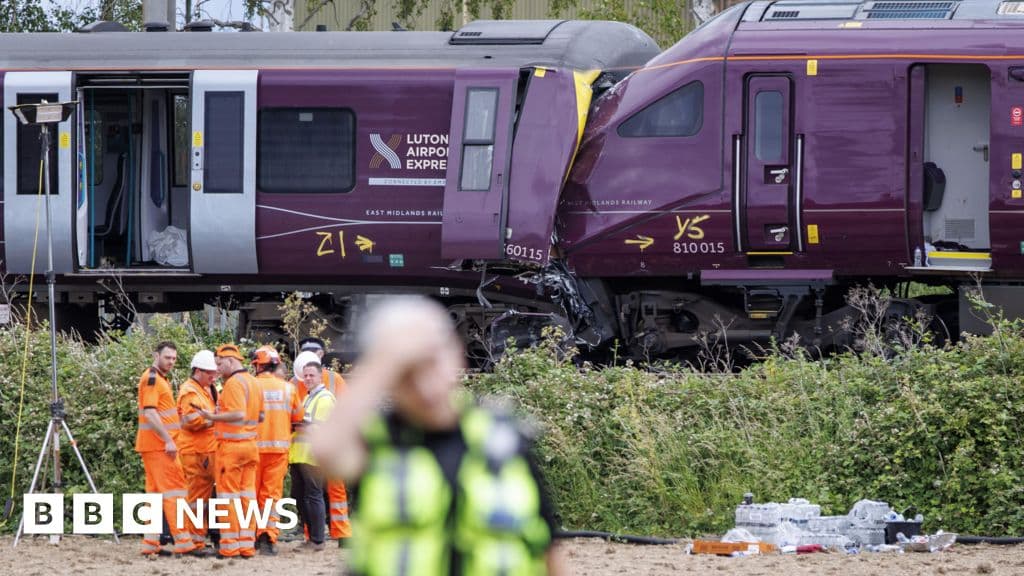
Bedford train crash disruption to last until Thursday
Disruption on London to Bedford train line to last until Thursday after fatal crash.
BBC News1 min read
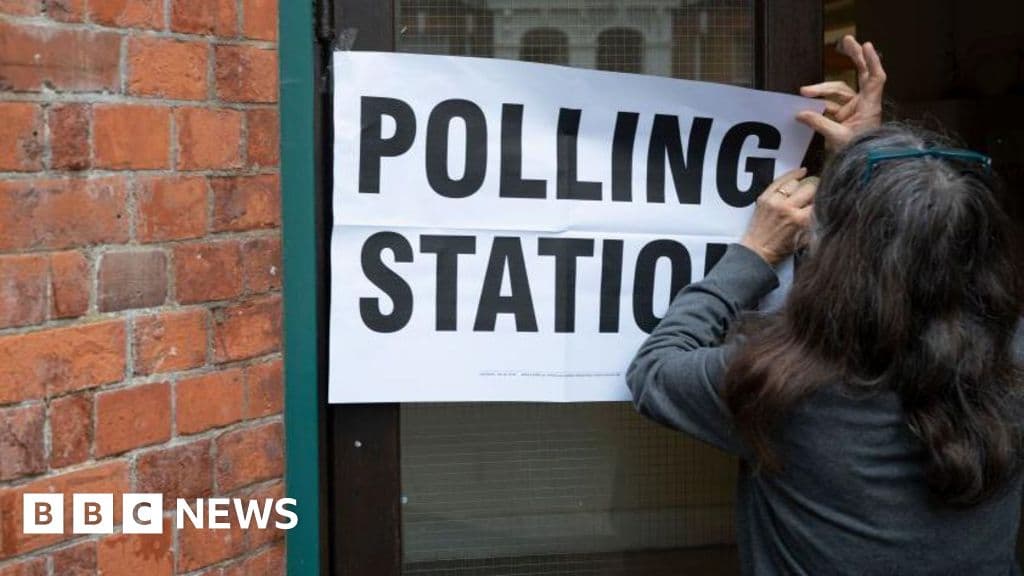
Voters in England must present valid photo ID to vote in the local elections on May 7. In contrast, no ID is required for voters in Scotland and Wales for their respective elections on the same day.
Everyone voting in person in the local elections in England on 7 May will have to show valid photo ID.
However, people in Scotland and Wales will not need to show ID to vote in the Scottish Parliament or Senedd elections being held on the same day.
More than 20 forms of ID will be accepted, including:
You can use out-of-date photo ID as long as you look the same.
If you wear a face covering, such as a medical mask or a veil worn on religious grounds, you will be asked to remove it briefly so polling station staff can check that your ID looks like you.
The government has said that voters will also be able to prove their ID with a UK-issued bank card showing their name at the next general election. The election must be held by 2029 but could be earlier.
Voters in England whose ID is lost or stolen can apply for an emergency proxy vote up until 17:00 on polling day.
Both they and their proxy - the person nominated to vote on their behalf - must already be registered to vote. The proxy must have correct ID.
For future elections, you can exchange a paper driving licence for a photocard, or apply for a photocard travel pass if you are aged 60 or over, disabled or registered blind or partially sighted.
Alternatively, anyone registered to vote without the correct ID - or who no longer looks like their photo - can apply for a free document known as a Voter Authority Certificate. The deadline to apply for a certificate to use on 7 May has passed.
If you go to the polling station without the correct ID, you will be asked to come back with valid documentation.
If you think your ID has been wrongly rejected, the Electoral Commission - which oversees UK elections - says you should notify the presiding officer at the polling station.
If this does not resolve the issue, you can raise your concerns with your council's returning officer.
Polling station staff record how many voters are turned away, as well as the number who return with valid ID.
Accepted forms of photo ID in England include passports, driving licences, older or Disabled Person's bus passes, Oyster 60+ cards, and Armed Forces Veteran Cards.
No, voters in Scotland do not need to show photo ID to vote in the Scottish Parliament elections on May 7.
Yes, you can use out-of-date photo ID as long as you look the same as in the photo.
No, voters in Wales will not need to show ID to vote in the Senedd elections on May 7.
Disruption on London to Bedford train line to last until Thursday after fatal crash.

Four months after the Iran school bombing, the Pentagon remains silent on the investigation's findings.

New slug prediction maps help English farmers reduce pesticide use and costs.

How Brexit Changed Scotland's Political Landscape and Independence Support

Signs indicate Starmer could set a resignation timetable as early as Monday.
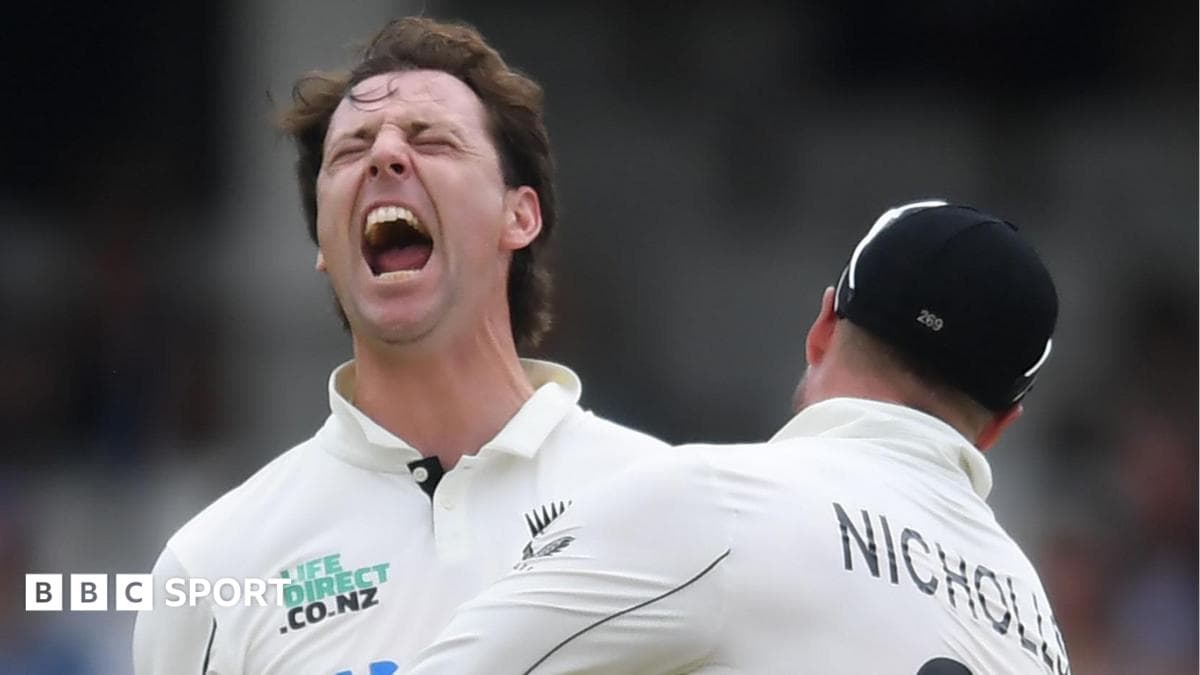
England's cricket team faces a huge defeat against New Zealand in the second Rothesay Test.
See every story in News — including breaking news and analysis.
The Electoral Commission said 0.4% of those who tried to vote at a polling station in the May 2025 local elections were turned away due to the voter ID requirements. Of those initially turned away, 71% returned to vote later.
All voters need photo ID to vote in person in general elections and parliamentary by-elections wherever they live in the UK.
Voters in England and Northern Ireland also have to provide ID to vote in person in all other elections. Northern Ireland has required voter ID since 2002.
ID is not required to vote in person in Scottish Parliament and Senedd Cymru elections, nor for council elections in Scotland and Wales.
When the photo ID rules were expanded to cover the rest of the UK in May 2023, the government said it would stop votes being stolen, although that is quite unusual in the UK.
According to the Electoral Commission, there has been no evidence of large-scale electoral fraud in the past five years.
The Electoral Commission has called on the government to let voters cast their ballot without ID if another registered voter can vouch for their identity.
Sign up for our Politics Essential newsletter to keep up with the inner workings of Westminster and beyond.