
Venezuela hits out at Trinidad and Tobago in oil spill spat
Venezuela raises alarm over oil spill from Trinidad and Tobago, threatening ecosystems and fishing.
Al Jazeera English1 min read

US visa applicants must now confirm they do not fear returning home to avoid visa denial. New guidance requires applicants to answer questions about past harm and fear of mistreatment.
Mentioned in this story
Applicants seeking a temporary visa to the United States must now tell a consular officer that they have not experienced harm and do not fear returning to their home country, according to new guidance issued from the state department. If they answer yes or decline to respond to either question, the chance they will be denied will skyrocket.
The Guardian obtained a state department cable which instructs officers at every US embassy and consulate globally to amend their process and ask applicants to affirm they do not fear mistreatment if they return home as a prerequisite for the interview to continue.
The two new questions are: “Have you experienced harm or mistreatment in your country of nationality or last habitual residence?” and “Do you fear harm or mistreatment in returning to your country of nationality?”.
The directive claims that the new process is designed to cut down on what the department claims are people misrepresenting themselves during the visa process.
“The high number of aliens claiming asylum in the United States indicates that many aliens misrepresent this intention to consular officers in the visa application process and at US ports of entry,” the directive reads, “and that information collected from visa applicants under current guidance is inadequate to identify those applicants who fear harm or mistreatment in returning to their home country.”
The cable was first reported by the Washington Post. It comes after a federal appeals court ruled that Donald Trump’s invocation of an “invasion” at the southern border to curtail asylum seekers was unlawful, a decision that effectively reopens the United States to migrants fleeing persecution abroad.
The state department issued nearly 11m non-immigrant visas in fiscal year 2024, and the latest data for 2025 is still being processed. The category covers everyone from people on vacation and university students to H-1B tech workers, seasonal farmhands and business executives.
Under both US law and the 1951 Refugee Convention, the right to seek asylum is not conditional on how someone enters the country or what they told a visa officer.
But Tuesday’s policy creates a screening mechanism that would filter out victims of persecution, including domestic abuse survivors, journalists who have received death threats or members of a persecuted religious minority, before they ever reach US soil, regardless of whether their stated purpose of travel is legitimate.
Visa applicants must now affirm they have not experienced harm and do not fear returning to their home country to avoid increased chances of denial.
The new process aims to reduce misrepresentation by applicants claiming asylum, which the state department believes is currently prevalent.
Consular officers must ask if applicants have experienced harm in their home country and if they fear mistreatment upon return.
The guidance is intended to improve the identification of applicants who genuinely fear harm or mistreatment in their home country.
Venezuela raises alarm over oil spill from Trinidad and Tobago, threatening ecosystems and fishing.

UN adopts treaty to protect gig economy workers globally

Investigators probe Toronto officer's death for links to global terror attacks.
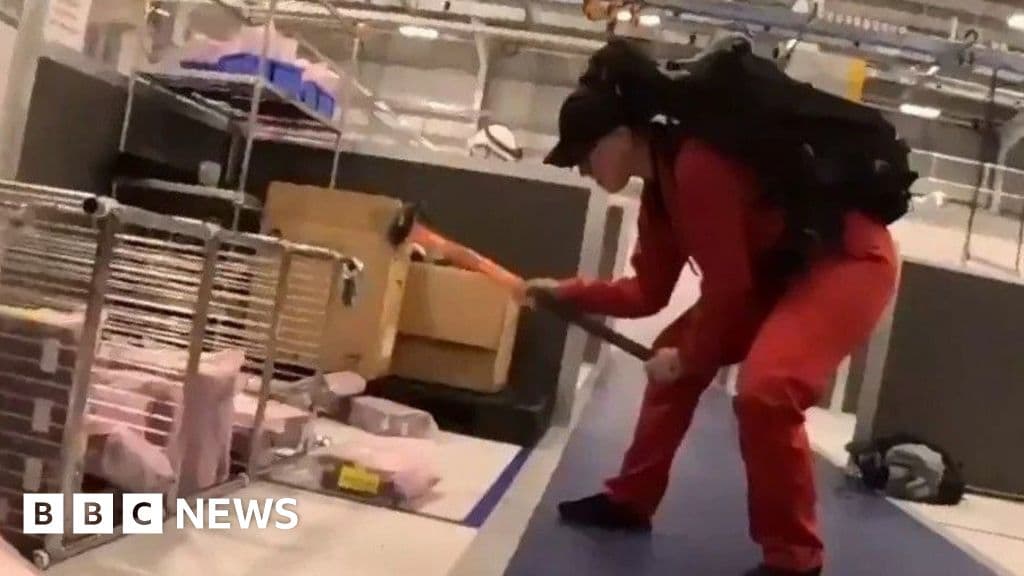
Four Palestine Action activists jailed for causing £1.2m damage at Elbit Systems factory.

Home Office ends contract with Essex hotel after protests over asylum seekers.

Nineteen arrests made following violent riots in Northern Ireland after a knife attack.
See every story in News — including breaking news and analysis.
There is also a risk of perjury. An applicant who correctly fears return but answers “no” to obtain a visa has made a material misrepresentation to a federal officer, which is a crime that carries a permanent bar from the United States.
The directive cites executive order 14161, signed by Trump on his first day in office in January 2025. The order directed federal agencies to enhance immigration screening and vetting to prevent entry of individuals deemed potential security threats.
A review it mandated led to a White House proclamation in June 2025 suspending entry entirely for nationals of 12 countries and imposing partial restrictions on seven more.
The US issued a separate directive in March of last year ordering consular offices to expand screening of student visa applicants – including social media vetting – to bar those they deem of engaging in “terrorist activity”, which many took to mean supporting Palestine.
The cable also cross-references classified operational guidance held on internal state department systems, meaning the full scope of the new policy remains unknown outside the department.
The state department did not immediately respond to a request for comment.