US-Kuwaiti journalist detained in Kuwait after social media posts, watchdog says
TL;DR
Ahmed Shihab-Eldin, an American-Kuwaiti journalist, has been detained in Kuwait for commenting on social media about the US-Israeli war with Iran. He faces charges of spreading false information and has not been seen since March 2.
Key points
- Ahmed Shihab-Eldin detained in Kuwait
- Charges include spreading false information
- Kuwait has detained others for sharing footage of attacks
- Iranian attacks have killed civilians and soldiers
- No comment from Kuwaiti authorities
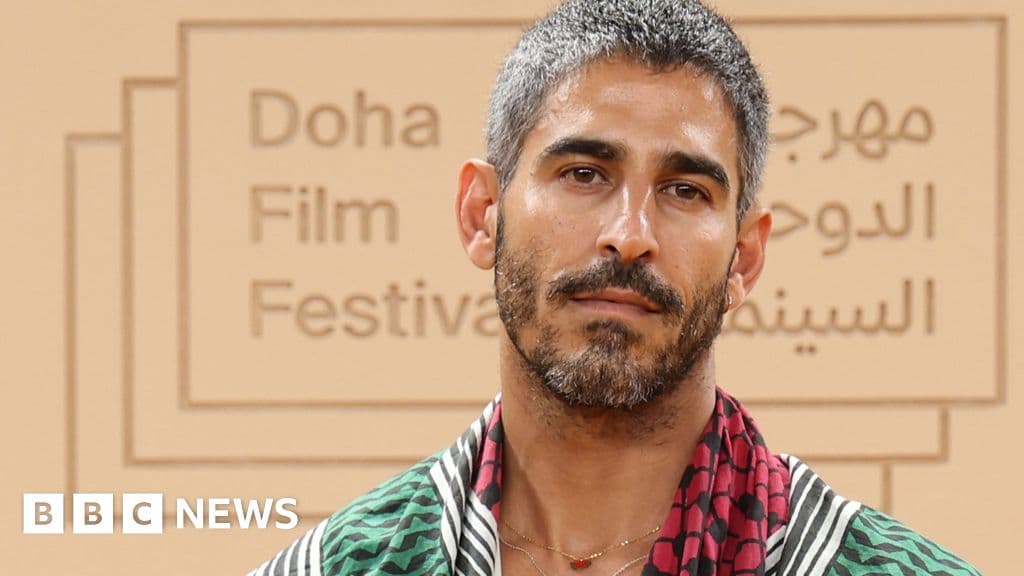
An American-Kuwaiti journalist has been detained by authorities in Kuwait after he commented on videos and images related to the US-Israeli war with Iran, the Committee to Protect Journalists (CPJ) has said.
Ahmed Shihab-Eldin has not been seen since 2 March and is understood to be facing charges including spreading false information, according to the press freedom watchdog. It called for his immediate and unconditional release.
There was no immediate comment from Kuwaiti authorities.
However, Kuwait and other Gulf Arab states have said they have detained people for sharing footage documenting Iranian missile and drone attacks on their territory during the war.
Kuwait's military and health ministry have reported that Iranian attacks have killed three civilians, two soldiers and two border guards.
Six US service members have also been killed there, while three US fighter jets have been mistakenly shot down by Kuwait's air defences.
Ahmed Shihab-Eldin - a journalist who has contributed to the BBC, New York Times and Al Jazeera - had been visiting his family in Kuwait when he was last seen on 2 March, the CPJ said in a statement on Tuesday.
That day, he shared on his Substack account a verified video showing a US F-15 fighter jet falling from the sky and crashing near Kuwait City, as well as photos that he said showed an American pilot who had ejected and landed in the al-Jahra area.
The CPJ said it understood that Shihab-Eldin was charged by Kuwaiti authorities with spreading false information, harming national security, and misusing his mobile phone, which it described as "vague and overly broad accusations that are routinely used to silence independent journalists".
"We call on Kuwait to release Ahmed Shihab-Eldin and drop all charges against him," said CPJ regional director Sara Qudah. "Journalism is not a crime, and Shihab-Eldin's case reflects a broader pattern of using national security laws to stifle scrutiny and control the narrative."
The BBC has contacted the Kuwaiti government for comment.
Earlier this month, the Kuwaiti interior ministry urged members of the public to "refrain from spreading rumours or sharing unverified videos and images", state media reported.
It also stressed that such actions were "being closely monitored and dealt with firmly, with violators referred to the relevant authorities for legal action".
The information ministry has meanwhile announced that individuals accused of violating media regulations and misleading the public have been referred to prosecutors.
Last month, Kuwait's emir issued a decree aimed at "securing and protecting the supreme interests of military entities".
According to the CPJ, the legislation stipulated prison sentences of up to 10 years for anyone who "disseminates news, publishes statements, or spreads false rumours related to military entities" with the intent of undermining confidence in them.
Q&A
Why was Ahmed Shihab-Eldin detained in Kuwait?
Ahmed Shihab-Eldin was detained for commenting on videos and images related to the US-Israeli war with Iran, facing charges of spreading false information.
What are the consequences of sharing footage of Iranian attacks in Kuwait?
Kuwait and other Gulf Arab states have detained individuals for sharing footage documenting Iranian missile and drone attacks, reflecting strict controls on information dissemination.
What has been reported about Iranian attacks in Kuwait?
Kuwait's military and health ministry reported that Iranian attacks have resulted in the deaths of three civilians, two soldiers, and two border guards.