
Unions rebuff Farage and say Reform ‘cosplaying’ as workers’ champions
Major unions rebuff Farage's call for affiliation with Reform UK, criticizing the party's stance on workers' rights.
The Guardian World1 min read

The UN warns that the US-Israeli war on Iran will push over 30 million people back into poverty, exacerbating food insecurity. Disruptions in fuel and fertilizer supplies are already impacting agricultural productivity.
Mentioned in this story
The Iran war will push more than 30 million people back into poverty, with the knock-on effects of the conflict likely to increase food insecurity in the coming months, the United Nations has warned.
Disruption to fuel and fertiliser supplies due to the ongoing blocking of cargo vessels through the Strait of Hormuz has already lowered agricultural productivity and will hit crop yields later this year, the UN’s development chief said on Thursday.
“Even if the war would stop tomorrow, those effects, you already have them, and they will be pushing back more than 30 million people into poverty,” said Alexander De Croo, administrator of the United Nations Development Programme (UNDP).
He also warned of other fallouts of the United States-Israeli war on Iran, including energy shortages and falling remittances.
Much of the world’s fertiliser is produced in the Middle East, and one-third of global supplies passes through the Strait of Hormuz, where Iran and the US are jostling for control.
The UN’s Food and Agriculture Organization (FAO) last week warned that a prolonged crisis in the strait could lead to a global food “catastrophe”.
India, Bangladesh, Sri Lanka, Somalia, Sudan, Tanzania, Kenya, and Egypt are among the countries most at risk, according to the FAO.
“Food insecurity will be at its peak level in a few months – and there is not much that you can do about it,” De Croo said.
The knock-on effects of the Iran conflict have already wiped out 0.5 percent to 0.8 percent of global gross domestic product (GDP), according to De Croo, who noted, “Things that take decades to build up, it takes eight weeks of war to destroy them.”
De Croo, the former prime minister of Belgium, also warned that the Middle East crisis is straining humanitarian efforts in other parts of the world, with the sector already facing funding cuts.
The US-Israeli attacks on Iran, which began on February 28, have also choked up key humanitarian aid routes, delaying life-saving shipments to some of the world’s worst crises.
“We will have to say to certain people, really sorry, but we can’t help you,” De Croo said. “People who would be surviving on help will not have this, and will be pushed into even greater vulnerability.”
The UN estimates that more than 30 million people will be pushed back into poverty as a result of the conflict.
The war is expected to increase food insecurity globally due to disruptions in fuel and fertilizer supplies, affecting agricultural productivity.
The Strait of Hormuz is crucial as one-third of global fertilizer supplies pass through it, and its blockage is impacting crop yields and energy supplies.
Major unions rebuff Farage's call for affiliation with Reform UK, criticizing the party's stance on workers' rights.

White House warns UK against banning social media for under-16s
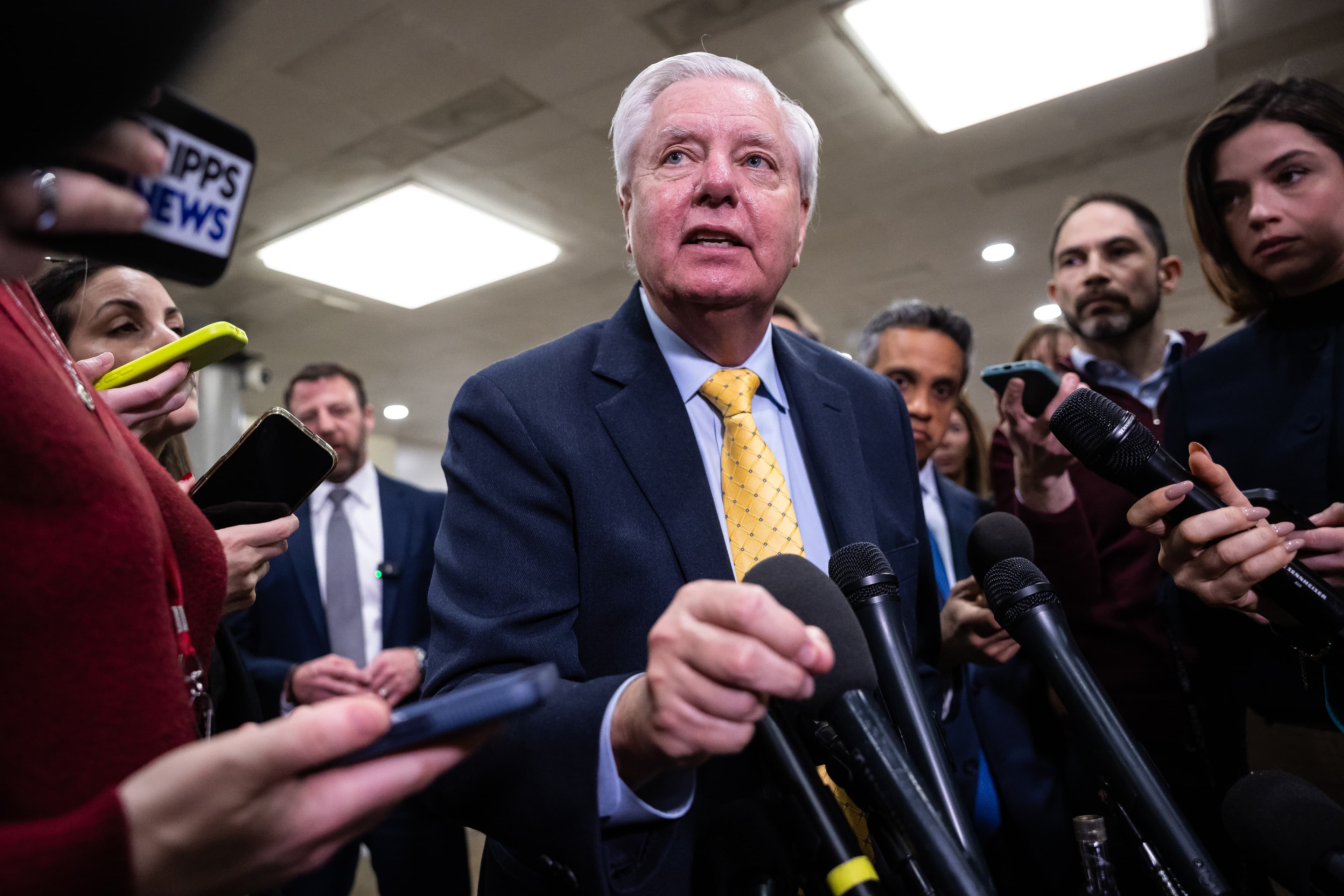
Lindsey Graham invests over $18 million to counter Mark Lynch's primary challenge.

Studies suggest GLP-1 medications could help reduce cancer risk; research is still in early stages.
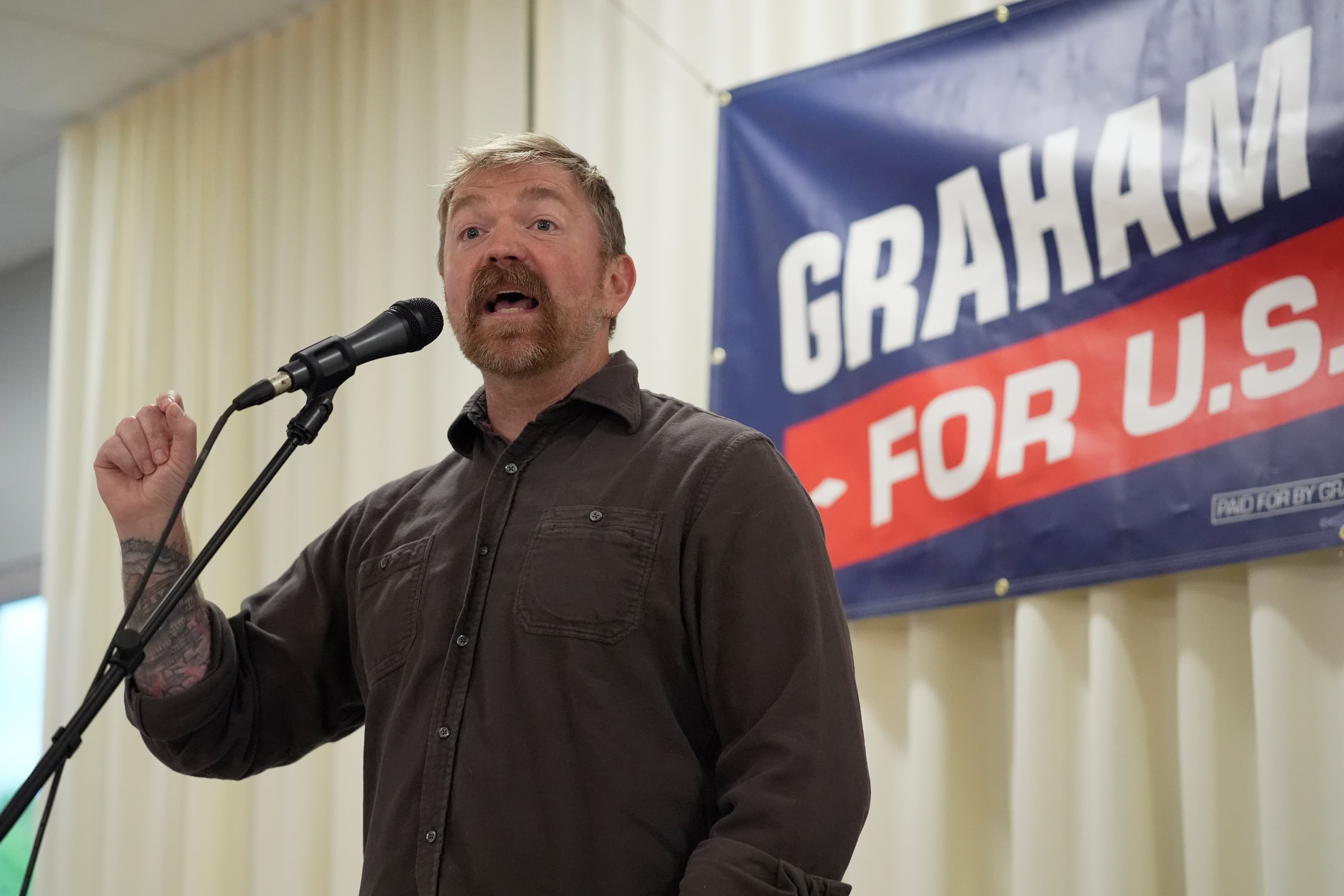
Controversies prompt Maine Democrats to reconsider Graham Platner's candidacy.

While more Americans survive cancer, many endure long-term psychological impacts.
See every story in News — including breaking news and analysis.