
About 7 million kids live in a home with a loaded and unlocked gun, a study finds
Study reveals 7 million kids live with loaded, unlocked guns at home.
NPR Topics: News1 min read

A US federal appeals court has temporarily paused a decision blocking Trump's 10 percent global tariff. The case examines whether the tariff is within Trump's presidential authority under the Trade Act.
A federal appeals court in the United States has temporarily paused a lower court decision to block President Donald Trump’s 10 percent global tariff.
On Tuesday, a US federal appeals court issued a short-term administrative stay as the court case continues.
At stake is whether the tariff issued under Section 122 of the 1974 Trade Act falls within the scope of Trump’s presidential authority.
Trump imposed the sweeping 10 percent import tax in January, after the Supreme Court struck down another set of far-reaching tariffs that the president justified using the International Emergency Economic Powers Act (IEEPA).
In that case, the Supreme Court ruled that the IEEPA does not authorise the president to impose blanket tariffs, as Trump had argued.
Similar questions have arisen about Trump’s new tariff policy. On Friday, a panel at the US Court of International Trade ruled two to one that Trump had failed to meet the criteria under Section 122 to apply the new tariffs.
“The President’s Proclamation fails to assert that those required conditions have been satisfied,” the lower-court ruling asserts.
It added that the proclamation “is invalid, and the tariffs imposed on Plaintiffs are unauthorized by law”.
Tuesday’s appeals court decision paused that ruling temporarily, to allow the White House time to respond.
But the plaintiffs — a coalition of 24 states — have argued that Trump’s tariff campaign is an abuse of executive power. They have also pointed to the downstream effects, as consumers shoulder the costs of the added taxes.
“It’s American consumers and businesses that have ultimately paid for the president’s illegal tariff campaign,” Washington State Attorney General Nick Brown said in a statement following Friday’s ruling.
A consumer price index report issued on Tuesday suggested that Trump’s tariff campaign has been reflected in a spike in consumer good costs.
Prices for both apparel and electronics prices rose by 0.6 percent, while the cost of toys and furniture leapt higher by 0.8 percent.
The legal challenge to the Section 122 tariffs is only one hurdle Trump’s tax policy faces.
Under Section 122, the 10 percent global tariff is scheduled to expire in July, unless extended by Congress. Its term is otherwise capped at 150 days.
Critics have also pointed to the uncertainty and regulatory hassle of reversing such tariffs.
Tuesday’s stay comes as tariffs imposed under IEPPA are starting to be refunded. US Customs and Border Protection anticipates paying refunds of $35.46bn on 8.3 million shipments that have been processed as of Monday.
The US federal appeals court has issued a temporary pause on the lower court's decision that blocked the tariff.
Trump imposed the tariff in January following a Supreme Court ruling that struck down another set of tariffs he justified under the IEEPA.
The case is focused on whether the tariff falls within Trump's presidential authority under Section 122 of the 1974 Trade Act.
Study reveals 7 million kids live with loaded, unlocked guns at home.

Kate makes her first international visit post-cancer recovery to Italy, focusing on early years education.

Trump heads to Beijing to meet Xi Jinping, minimizing US-Iran conflict discussions.
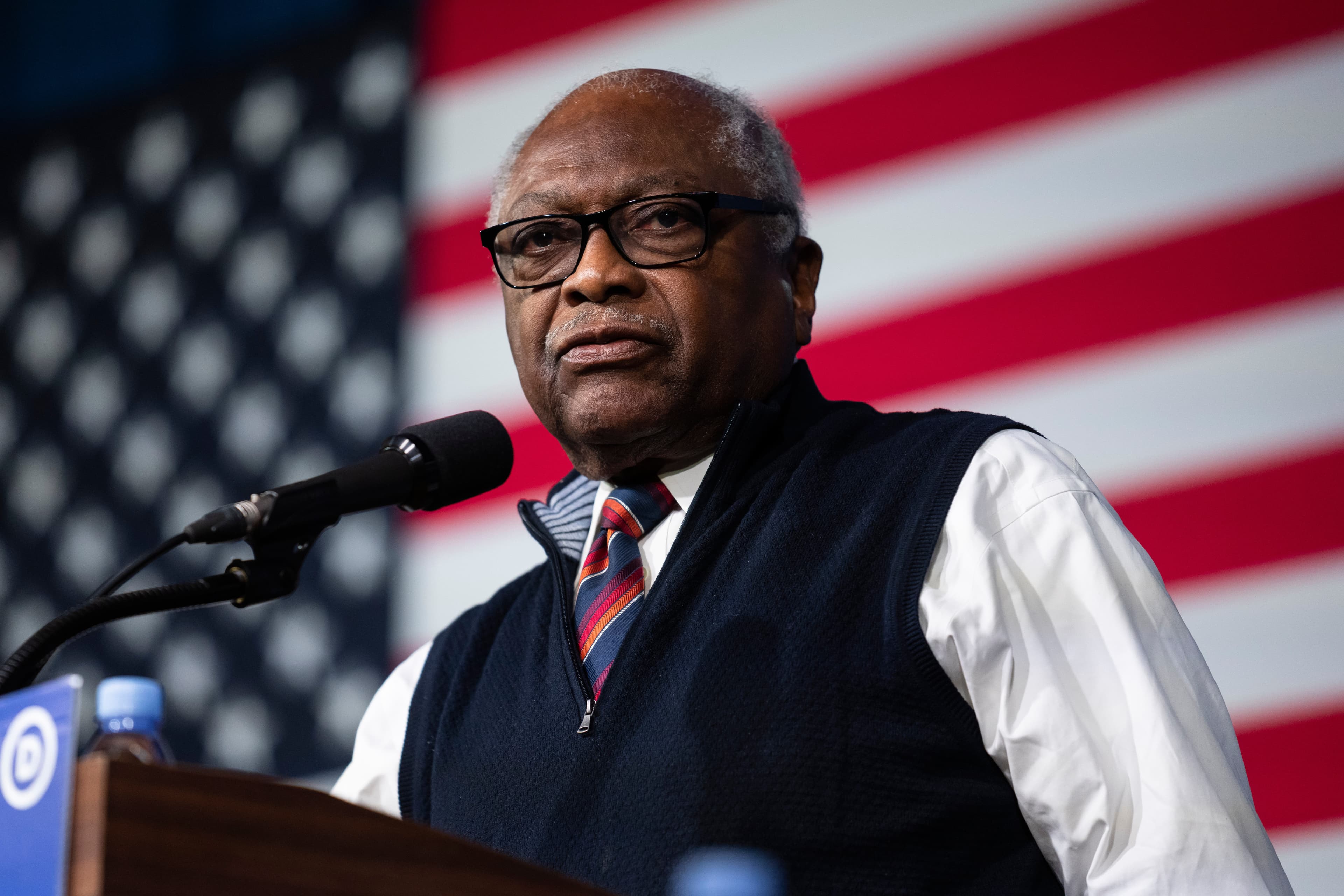
South Carolina Senate blocks redistricting, impacting Trump's plans

UCF students boo speaker for calling AI the 'next Industrial Revolution'

The SPLC is under fire from the Justice Department over fraud allegations. What does this mean for its future?
See every story in News — including breaking news and analysis.