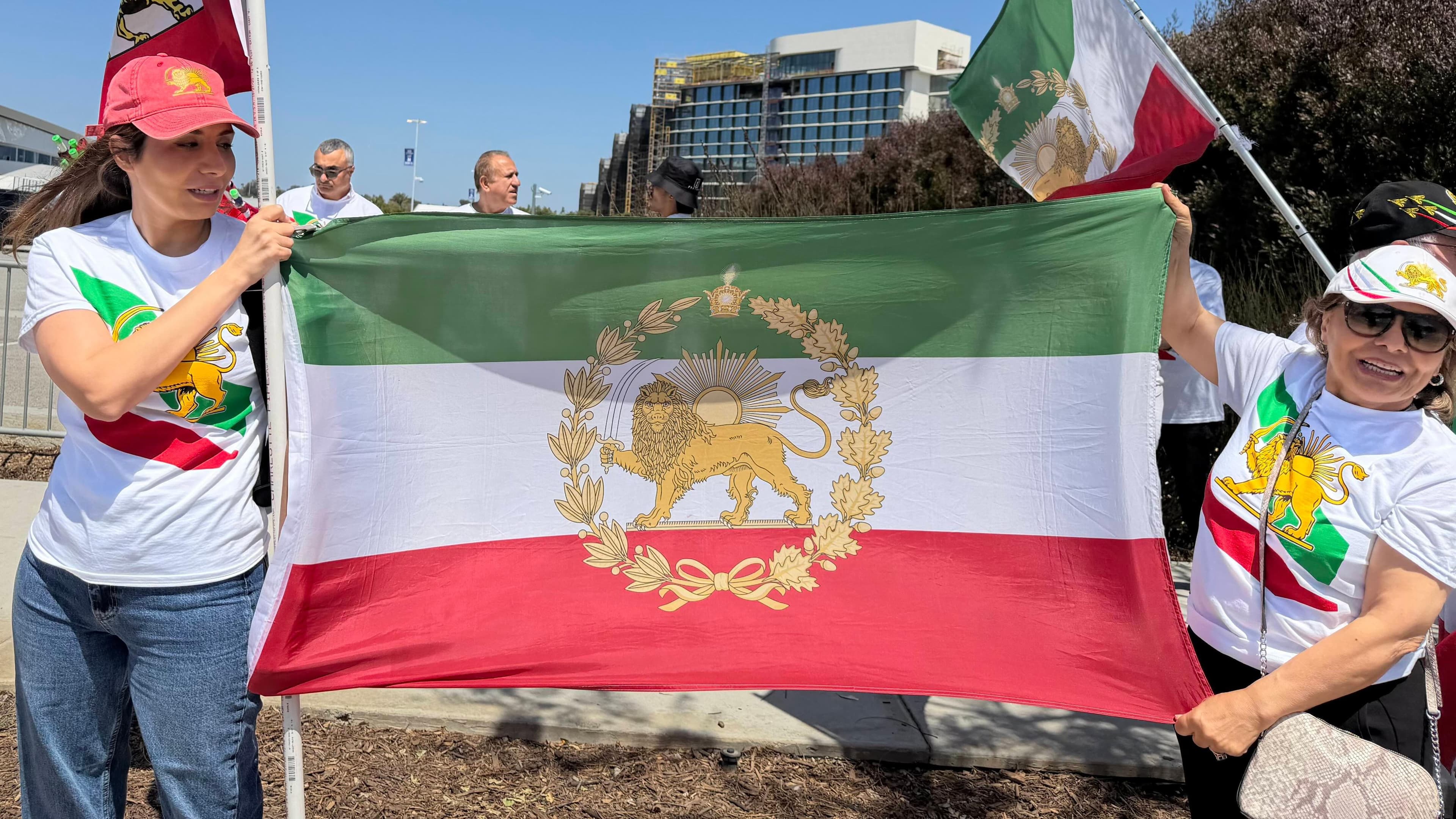
The flag Iranians are not allowed to wave at the World Cup
The Iranian team is absent from the World Cup; politics take precedence.
BBC News1 min read

The UN nuclear watchdog has urged Iran to resume inspections of its nuclear sites, while the US and European nations seek clarity on Iran's enriched uranium stores. IAEA chief Rafael Grossi emphasized the importance of Tehran's cooperation for oversight of its nuclear program.
Mentioned in this story
The head of the United Nations’ nuclear watchdog has called on Iran to “re-engage” with inspections of its nuclear sites while the US and European partners have demanded information on the whereabouts of the country’s stores of enriched uranium.
International Atomic Energy Agency (IAEA) chief Rafael Grossi said on Monday that it is “very important” that Tehran “re-engage” to allow the international watchdog to continue oversight of its nuclear programme.
United States President Donald Trump has said that the need to prevent Iran producing a nuclear weapon is a key driver of the ongoing military operation against Iran. Tehran insists that its nuclear programme is purely for civilian purposes.
Israel and the US bombed Iran’s nuclear sites last year. The condition of its infrastructure and whereabouts of its stores of enriched uranium remain unknown.
“It’s very important that we re-engage,” Grossi said as he opened a quarterly Board of Governors meeting.
He urged Tehran in a written statement to engage with IAEA “constructively in order to facilitate the full and effective implementation of safeguards in Iran,” referring to inspections.
The US meanwhile, alongside the UK, France and Germany, requested that the board pass a resolution ordering Iran to provide clear information on the bombed sites and enriched uranium.
The draft said Iran must provide “precise information on nuclear material accountancy and safeguarded nuclear facilities in Iran” and grant the IAEA “all access” to inspect and verify sites, according to the AFP news agency.
The resolution was expected to pass, as a similar initiative did last November. However, it could complicate the ongoing Pakistani-led efforts to negotiate a deal between Washington and Tehran.
Iran’s mission to the IAEA appeared to warn as much in a statement on X, noting that “coercion and confrontation do not lead to cooperation” but “undermines prospects of a diplomatic solution”.
“The Board must not be instrumentalised to relieve those who carried out these attacks of their responsibility,” the statement said, referring to the US bombings of its facilities.
Last June, as Israel’s 12-day war on Iran was under way, the US bombed Iran’s Fordo, Natanz and Isfahan nuclear sites in an attack known as Operation Midnight Hammer.
IAEA chief Rafael Grossi called on Iran to 're-engage' with inspections of its nuclear sites to ensure continued oversight of its nuclear program.
The US and European nations are demanding information on the whereabouts of Iran's enriched uranium stores due to concerns over the potential development of nuclear weapons.
Iran insists that its nuclear program is solely for civilian purposes, despite international concerns about its potential military applications.
The Iranian team is absent from the World Cup; politics take precedence.

Major unions rebuff Farage's call for affiliation with Reform UK, criticizing the party's stance on workers' rights.

White House warns UK against banning social media for under-16s
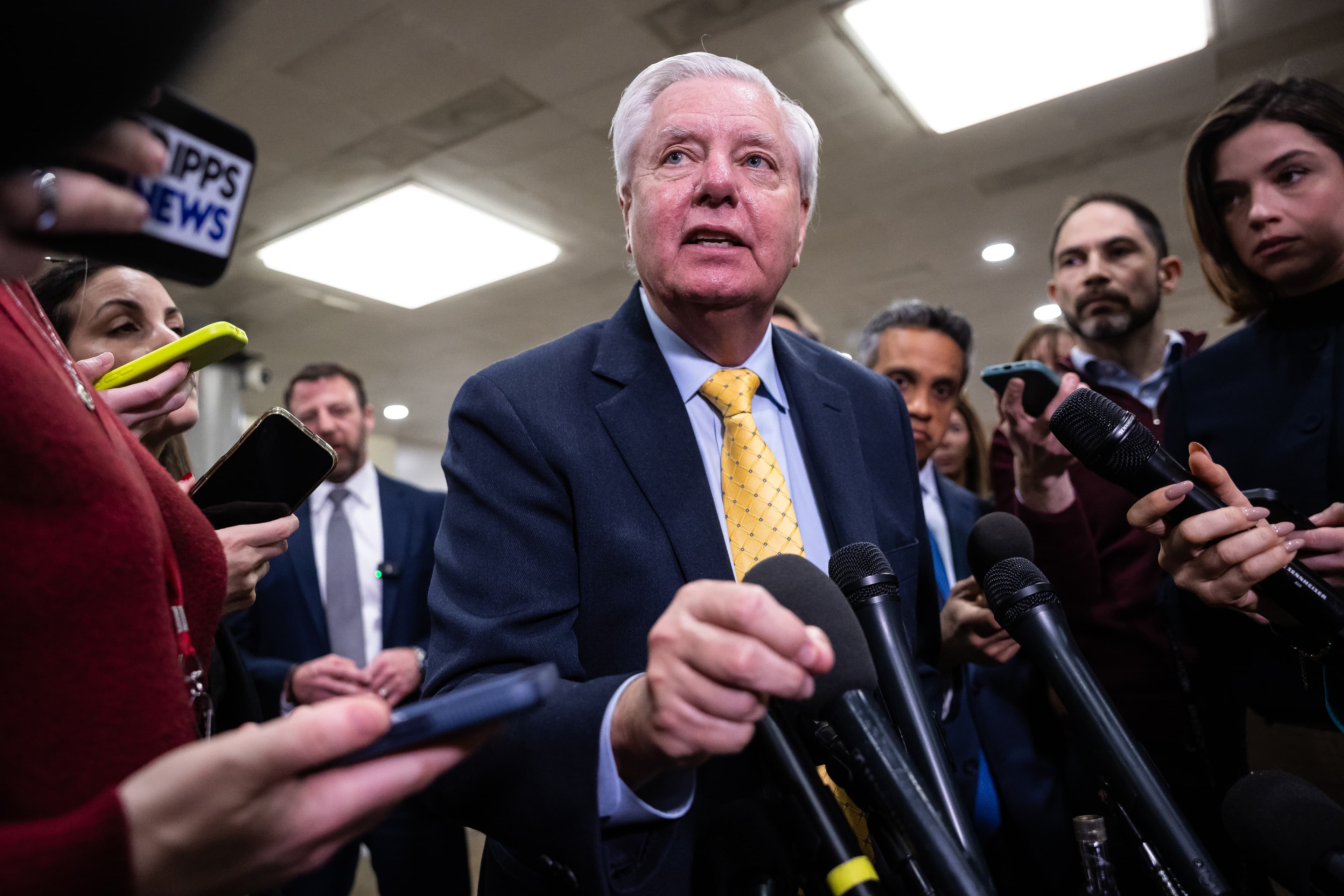
Lindsey Graham invests over $18 million to counter Mark Lynch's primary challenge.
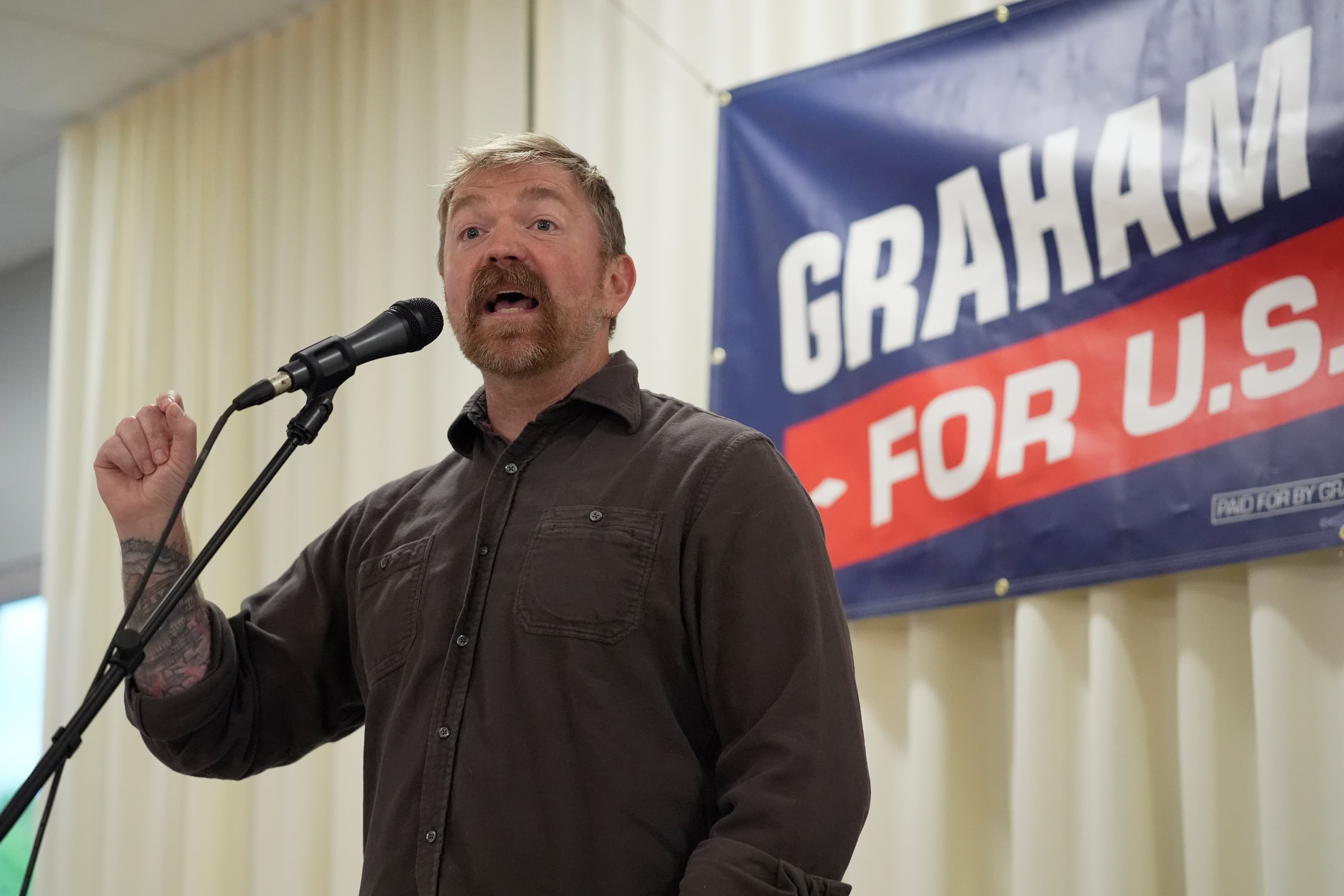
Controversies prompt Maine Democrats to reconsider Graham Platner's candidacy.

Studies suggest GLP-1 medications could help reduce cancer risk; research is still in early stages.
See every story in News — including breaking news and analysis.
Since then, the IAEA has not had access to the sites, and Tehran has not explained what happened to the nuclear material stored there.
Nuclear facilities have also been struck during the US-Israel war on Iran that began February 28, prompting the IAEA to halt inspections that had continued at sites that were not bombed. It has since only inspected Iran’s operating power plant at Bushehr.
The June strikes damaged or destroyed some uranium-enrichment facilities, but much of the highly enriched uranium itself is believed to have survived.
The IAEA had previously estimated that Iran held around 440 kilogrammes (970 pounds) of uranium enriched to 60 percent, close to the 90 percent needed to build a nuclear bomb.
Tehran has repeatedly denied accusations of nuclear ambitions.
Speaking to reporters Monday, Grossi lamented that the “channel of communication is broken” with Iranian leaders.
“Of course, when you have active shelling or bombing, inspections are not possible, but there are many things that can be done. And the important thing is this dialogue,” he said.