Struggling Pizza Hut chain to be sold for $2.7bn
Yum! Brands sells Pizza Hut for $2.7bn as chain faces challenges
BBC News1 min read

Disability activists warn that a UK ban on social media for under-16s could isolate disabled children by limiting their ability to form online friendships. They argue this could have serious unintended consequences for social connections and support.
Mentioned in this story
Disability activists have said banning under-16s from social media risks cutting off a “lifeline for friendship” for disabled children and could push them into social isolation by preventing them from making connections online.
Charities and high-profile figures in disability advocacy said they were concerned that a blanket ban on social media would disproportionately affect teenagers who may not be able to meet people easily in real life or find peers with similar conditions.
Lucy Edwards, a blind broadcaster, author and disability activist, said she was pleased to see the government taking online safety seriously, but she believed a social media ban would have serious unintended consequences.
“I got 99.9% of my support via the internet as a young visually impaired girl,” she said. “I was 11 and I didn’t know anyone in my real life who was blind, so naturally I took to social media. I would talk to friends on the other side of the planet – I can’t emphasise enough that no one I was friends with [in person] understood my vision loss like my friends online.”
She said the ban would prevent teenagers from discovering voices and influencers who had similar sight impairments or disabilities and who would become positive role models.
“If you block young visually impaired people from social media, you are restricting them from finding the independence they might not know they can have,” she said.
On Monday, Keir Starmer announced he would ban all major social media platforms for under-16s, including Snapchat, Facebook, TikTok, YouTube and Instagram, as well as blocking livestreaming functions.
He said the policy was not “cost-free” and that social media had brought benefits to young people, but a “total ban is the right choice”.
Dr Shani Dhanda, a broadcaster, author and accessibility consultant who has brittle bone disease, said social media platforms were a “lifeline for friendship, support and connection” for many young disabled people. “The focus should be on making platforms safer, not cutting young people off from communities they rely on to participate in society,” she said.
The Royal Society for Blind Children said it was actively working to counter the ban by expanding its own online clubs and groups. The charity said that while it supported better age-appropriate protections on social media, a ban risked “cutting off vital routes to connection for children who are already too often excluded”.
Lily Rose, the chief operating officer at the charity, said: “You might be the only young person in your school or for miles around who is experiencing vision impairment, and social media might be your only way of finding communities you can relate to. So we’re already looking at how we can bridge that gap when the ban comes into effect.”
A social media ban could cut off vital online friendships for disabled children, leading to increased social isolation.
Activists are concerned that the ban will disproportionately impact disabled teenagers who rely on online connections to find peers with similar conditions.
Lucy Edwards is a blind broadcaster and disability activist who believes the ban could have serious negative effects on disabled youths' ability to connect with supportive peers online.
Online friendships provide disabled children with support and connections to peers who understand their experiences, which can be crucial for their social development.
Yum! Brands sells Pizza Hut for $2.7bn as chain faces challenges
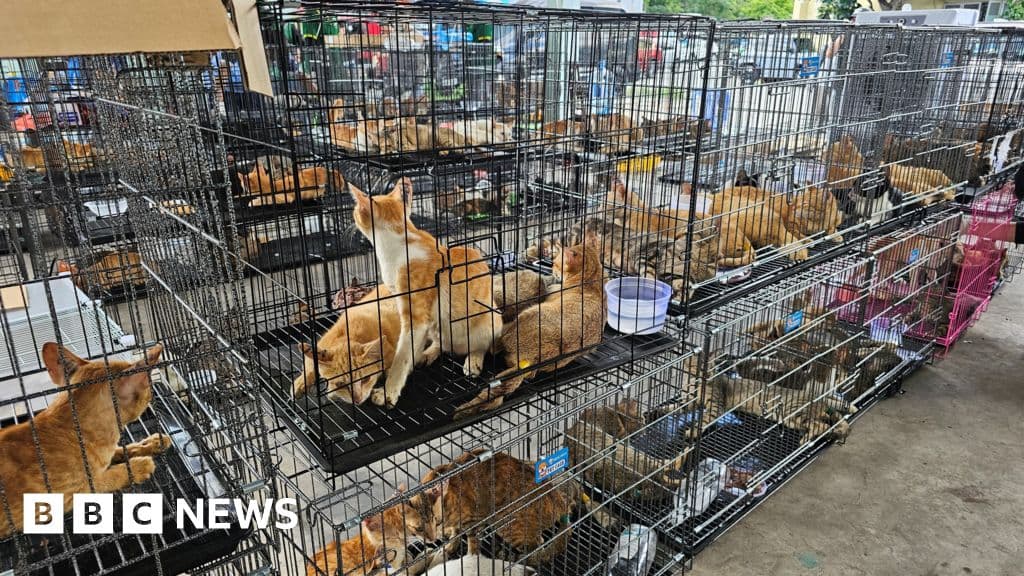
Vietnam police rescue over 400 cats from slaughter ring

Max Mara's 75th anniversary in Shanghai blends Western and Chinese styles.

Growing protests in Tirana against a luxury resort linked to Jared Kushner's plans.

France's intelligence service to replace Palantir's AI tools for domestic options.

Trump administration transfers special education oversight to HHS, impacting students with disabilities.
See every story in News — including breaking news and analysis.
Dr Amit Patel, a formertrauma doctor turned disability rights campaigner who lost his sight in 2013, said he understood the need to keep children safe online but thought the ban risked “oversimplifying a complex issue”.
“Many disabled young people already face barriers to socialising and participating in their communities,” he said. “For them, social media is often far more than entertainment. It can be a lifeline that provides friendship, peer support, role models and a sense of belonging that may not always be available offline. Any policy in this area needs to consider the unintended consequences for groups who already experience exclusion and isolation.”
The Department for Science, Innovation and Technology has been contacted for comment.