Everton told to pay Burnley £35m over PSR breaches
Everton must pay Burnley £35m over Premier League financial breaches.
BBC News1 min read

The UK government is set to ease some steel tariffs after manufacturers warned of rising costs. Meetings with steel trading leaders aim to finalize details before the July deadline for new tariffs and quotas.
Mentioned in this story
Ministers are expected to drop some planned tariffs on foreign steel after UK manufacturers warned the measures would significantly increase their costs.
Representatives of the Department for Business and Trade are meeting leaders of steel trading business groups on Wednesday and Thursday with a view to finalising details of a reprieve for certain industries.
The government announced in March that it was doubling tariffs on steel imports to 50% and reducing quotas by up to 60% in an attempt to save UK producers.
The new tariffs and quotas must be in place by 1 July, which is when the current safeguards, negotiated while the UK was still part of the EU, expire.
At the same time the UK is fighting to mitigate a similar reduction in quotas and increase in tariffs being planned by the EU for that date, as both sides opted to limit imports to protect their own industries against cheaper imports from China, Vietnam and elsewhere.
The British government already announced a three-month reprieve on import duties, or “transition period” for the steel buyers, and some say this could be extended to 12 months. Others say it is more likely that the government will formalise tariff exemptions for specific sectors and companies that import steel not produced domestically.
UK Steel said it had submitted “comprehensive proposals” to remove certain steel commodities from the tariff list to protect industries that could not source those products at all, or in sufficient quantities, in the UK.
“We understand other sectors have done likewise to inform the government’s final policy and we continue to have extensive discussions with impacted manufacturers,” a spokesperson said.
About 70% of the UK’s steel is imported; the government safeguards are aimed at reducing that figure to 50%.
Gareth Stace, the director general of UK Steel, said it was vital that ministers struck a balance between protecting the broader manufacturing sector and the steel plants facing the EU tariff threat.
He said the provisional safeguards were already having the desired impact of increasing domestic supplies, with “steelmakers ramping up capacity, creating jobs”, with more announcements of “mothballed capacity returning to production in the near future”.
William Bain, the head of trade policy at British Chambers of Commerce, said: “We’ve had an unprecedented response from companies across the UK about the serious negative impact on costs of quotas and tariffs on construction, manufacturing and engineering. That case has been put to the government, which has been listening, and we await to see what the full and final proposals would be.”
The UK government announced it would double tariffs on steel imports to 50% and reduce quotas by up to 60%.
The government is responding to warnings from manufacturers that the planned tariffs would significantly increase their costs.
The new tariffs and quotas must be implemented by July 1, coinciding with the expiration of current safeguards from the EU.
Everton must pay Burnley £35m over Premier League financial breaches.

New footage shows Israeli troops shot baby Sam Abu Haikal while car was slowing.

Check out the trailer for Aaron Sorkin's The Social Reckoning!

Two migrants jailed for endangering lives at sea under new law.
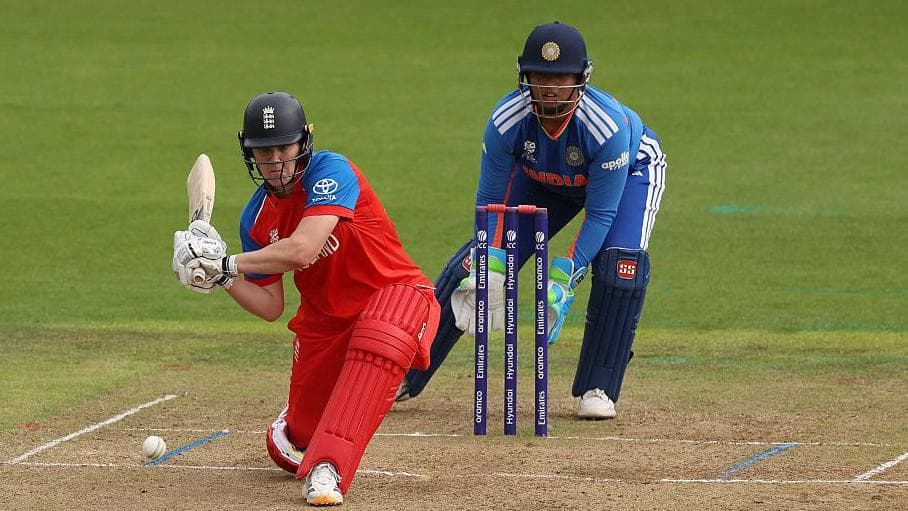
England narrowly defeats India by five runs in T20 warm-up match.

Brazil receives eight red cards in chaotic friendly against US women
See every story in News — including breaking news and analysis.
The business secretary, Peter Kyle, has raised with the EU the separate question of protecting British steel manufacturers from what they fear will be “devastating” quota reductions imposed by the bloc.
He told reporters in Brussels last Friday that some of the new steel safeguards were “disruptive” but that it was important “to protect domestic markets”.